Brands
World Emoji Day: Emojis For Brand Marketing


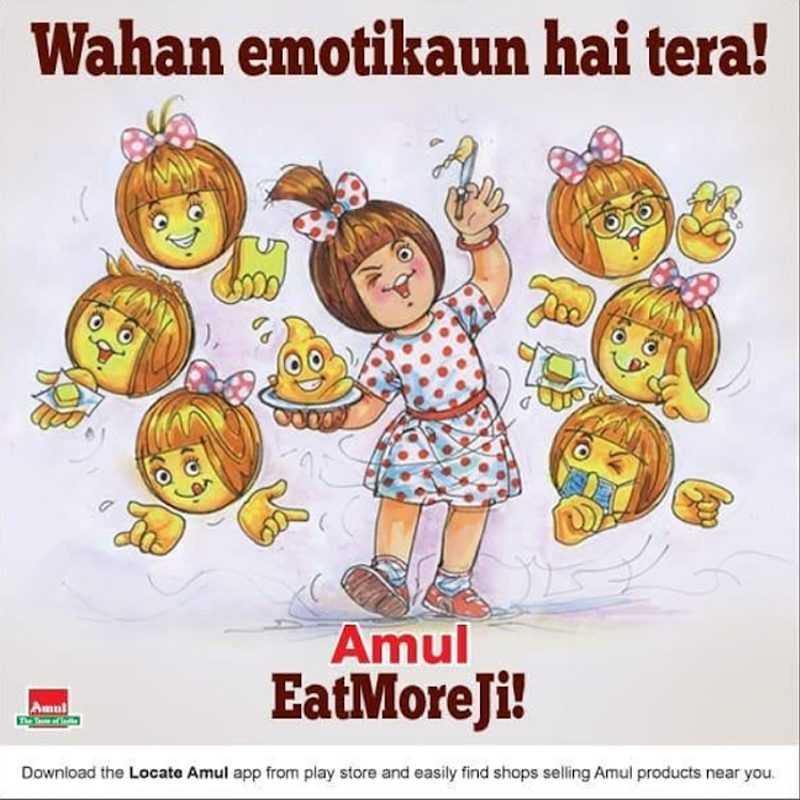
It is rightly said that ‘Pictures speak louder than words’. Emojis are the small icons that depict emotions or objects like food, snacks, clothes, weather, animals, accessories and many more! These are highly impactful if used correctly at the right place, right time and to the right people. It is a fun mode of interaction. Emojis provide advertisers and brand marketers a huge opportunity to effectively convey their messages to their audience.
The reason behind emojis being highly impactful is that they are used in daily conversations. Previously, brands picked-up phrases that were used in daily conversations. For instance, big marketing campaigns like Maruti’s ‘Kitna deti hai’ and Surf Excel’s ‘Daag Ache Hain’. Such campaigns spoke about the regular questions of the consumers and highlighted the benefits of the products. Maruti’s campaign was a huge success as it spoke about the most common questions that the consumers ask.
Emojis are regularly used in chats, emails and other means of communications. The brands which are focusing on effectively reaching out to their audience should be well-versed with the language and tonality that they use regularly. Millennials constantly use emojis regularly, if they are the targeted mass, then they will have to start using emojis as it will help them communicate their message better.
Many brands are coming up with custom emojis like Mumbai Indians which received a great response from the people. The moment a brand uses common lingo, they can connect with their audience better. There are 2 ways that brands can leverage emojis i.e. creating their own set of emojis or picking up the current popular ones. Custom emojis are unique and act as a brand identity. It can make wonders happen but on the other hand, if there’s a failure, people might hesitate to accept it. It gives the perception of the brand trying hard to look cool.
On the other hand, picking up current popular emojis and weaving them into your brand message proves to be successful, if it is smartly done. The fact that people are celebrating World Emoji Day is a testimonial that they have been using it in regular conversations for years. Emojis is a new language now.
Presently, using emojis actively for branding is still an open jury. As it is yet to be understood whether it is as effective as the regular language or phrases, it is crucial to select emojis that are relevant to your brand. Choosing the right emojis can make wonders happen, but a wrong choice may lead to confusion. The emojis must be relatable to the brand hence, it is advisable to carefully monitor and select them. It is not a one-time process, it is vital to use the brand emojis consistently to ensure that these are registered in the minds of the consumers.
The emojis should never be force-fit. It is better to understand what your brand messaging is and then try initiating a conversation with one consumer. If the conversation along with the emojis makes sense, then try exploring it and weave your advertising using emojis. Using emojis is a bad idea if a brand followed a serious messaging and caters to a serious audience. However, emojis are an add-on to the language and should be used as an add-on to your communications. It cannot become a primary tool for branding.
(The author is business head, IdeateLabs. The views expressed are his own and Indiantelevision.com may not subscribe to it.)