Gaming
Explore the mythic origins of made-in-India Indus Battle Royale’s avatars

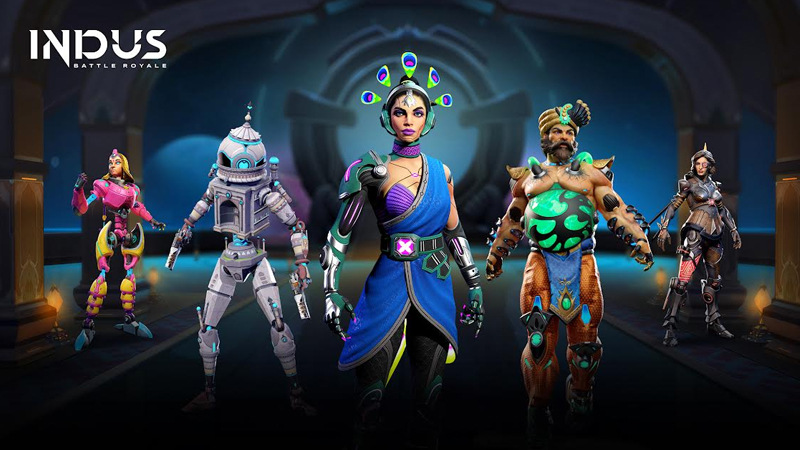
Mumbai: Indian games are now increasingly getting more recognition for seamlessly blending mythology and tradition, which offers players a culturally rich experience. These games weave together ancient narratives and art with modern gameplay, resonating deeply with players and elevating India’s standing in global game development.
One standout example is the highly anticipated Indus Battle Royale by Pune-based SuperGaming, which has garnered over 11 million pre-registrations on Google Play. The Indo-futuristic game is set in the distant future on the island of ‘Virlok’, which was once home to an ancient race of intergalactic explorers, ‘the Yaksha’. Players assume the role of Mythwalkers in search of the rare resource ‘Cosmium’.
For any battle royale, avatars are integral to providing immersive gameplay as they allow players to choose their unique styles and skills. In Indus, avatars are inspired by Indian history, mythology, and culture, each with its own captivating backstory. Despite their standardized functions, they come in diverse forms, enabling Mythwalkers to select models that best fit their preferences. Here is a glimpse into the fascinating legends behind the avatars of Indus:
1. Adi and Adya Series: Challenger


Background: Adi and Adya are the inaugural standard-issue Avatars, crafted after billions of credits and countless hours of research and development. Designed to embody and cater to the competitive spirit of Mythwalkers, they represent the cutting-edge technology that defines the Indus Battle Royale experience. These avatars are chosen by those looking to balance efficiency with style.
2. Null and Void Series: Explorer


Background: Null and Void are the initial prototype models that successfully landed on Virlok. Their utilitarian design reflects their age. Despite the creation of more sophisticated models, their charm and reliability make them a common choice for Mythwalkers. They symbolize the call of the infinite void, daring Mythwalkers to venture into the deepest secrets of the Cosmos.
3. Diya
Series: Yaksha Vintage

Background: Diya represents a connection to the happier times on Indus. This vintage icon has been revived with the hope of rekindling the past’s joy and celebration. Her design serves as a tribute to the rich cultural heritage of the ancient Yaksha race.
4. Neo Yash
Series: Yaksha Culture

Background: Neo Yash showcases the cultural values and aesthetics that were integral to Yaksha life. This Avatar embodies the fashion and artistic expression native to Indus, providing a glimpse into the cultural richness of the Yaksha civilization.
5. Rana and Arya Series: Yaksha Glamour


Background: Known as a celebrated entertainer and dancer, Rana was the headline act of a traveling dance troupe. However, classified documents reveal that his glamorous public persona masked his true role as an elite agent working covertly for the Yaksha Council.
Similarly, Arya was renowned as a performer and master thief who used her performances as a cover for infamous heists. Despite appearing to reform, her continued collaboration with Rana hints at ongoing involvement in clandestine activities.
6. Heena
Series: Indus Icon

Background: Modeled after India’s well-renowned Olympic shooter, Heena is the greatest living bounty hunter in the Indus universe. Frequently summoned by COVEN, an intragalactic syndicate, the sharpshooter is called upon when Mythwalkers need exceptional skill or more often than not, a miracle.
7. Mor-ni
Series: Yaksha Heroes

Background: A legend in exile of the Champions Conclave, Morni is the rare female representative of the Immortal Peacock. Her indomitable will, tenacity, and deadly grace in combat have made her one of the most formidable warriors in Indus.
8. Mech Balika Series: Indus Automata

Background: Originally a marionette in a theater run by automatons, Mech Balika’s design is inspired by the Rajasthani “Kathputli” string puppet. It remains unclear how or why she became a renowned combat unit, considering the Yaksha’s reluctance to weaponize their robotic creations, viewing it as a loss of innocence.
9. Pokhran
Series: Indus Automata

Background: Developed by the famous Indian scientist Homi J. Bhabha, Pokhran units were rescued by the Yaksha and widely deployed across Virlok. They powered the planet’s most remote corners and facilitated progress. Eventually, their resilience caught the attention of a Mythwalker who captured an intact unit, leading to the creation of this Avatar.
10. Sir-taj
Series: Indus Automata

Background: Sir-Taj is a technological marvel, representing the Yaksha’s deep reverence for their heritage. Universally adored on Indus, he has regained celebrity status among Mythwalkers due to his antics and viral videos on the internet.