MAM
Economic slowdown: Smart marketers will not make cuts in advertising

MUMBAI: As India battles, probably, the worst of its economic crisis since independence, a lot of industries are battling to keep their businesses going but it seems like the advertising industry is immune from the ill-effects. The marketing industry and the advertisers are seeing the slowdown as a need to advertise more and get more consumers.
Speaking to Indiantelevision.com on the subject of economic slowdown, Liberty Shoes marketing head Barun Prabhakar said that while the financial crisis is real, it is not going to hamper their business or marketing prospects. “Some 10-20 years back, Indians used to earn first and then burned it. But in today’s time people are spending first and then thinking about earning the money back. So, the challenge for the brands is to stay visible even in tough times, as there is a lot of competition out there, especially from smaller businesses. The marketing becomes very competitive and you have to evolve your strategies and budgets accordingly.”
Pidilite Industries Ltd CEO Fevicol division Nitin Chaudhary shared similar thoughts as he quipped that smart marketers will not do short-term cuts in marketing budgets.

He said, “For brands in our category, there is no direct link between media spends and demands. We advertise to build the brand and keep it salient. I think, in tough times, it is all the more important to make sure that your brand is visible and that’s why the smart marketers will not do any short term cuts. In fact, when the times are tough, they invest in the brands accordingly.”
Auto industry has taken a serious hit because of the economic slowdown but it also seems positive about the future and denies any chance of revising their marketing spends to lesser amounts.
TVS Srichakra Ltd executive vice president sales and marketing Madhavan P noted, “Though the industry has been impacted by slow vehicle production in the past few quarters, we expect the domestic tyre demand to grow by 6-8 per cent in the next few years. We are totally confident about the growth of two-wheeler tyre segment, both motorcycles, and scooters. The industry is expected to grow not only in urban and semi-urban areas but also considerable growth will be witnessed in the rural areas in the coming quarters. We are totally confident about the growth of two-wheeler tyre segment, both motorcycles, and scooters.”
Isobar South Asia group MD Shamsuddin Jasani, however, differed a little in his perspective as he communicated his fears of marketing spends getting slaughtered with a dip in sales. He said that in such cases, advertising takes the first hit.
But he was positive about the growth of the digital medium. “Advertisers consider reviewing their spends when the times are tough and that gives us a good opportunity to come forward as consultants and help them modify their business so they can have a bigger impact.” He also added that broadcasters who don’t have a sound digital strategy will take a hit in terms of ad revenues as the lines between digital and TV are blurring.
Prasad Shejale, co-founder and CEO of Logicserve Digital also noted that digital medium is going to strive despite an economic slowdown and many advertisers might take chunks away from traditional spends to invest online.
He said, "Digital is a way of life and brands will like to be where consumers are at various stages of the buying lifecycle. Thus, the digital industry will see a sustained rise in short as well as long term. In the current scenario, I am not seeing a slump in digital ad spend. Since digital channels are more measurable and efficient, I foresee more number of brands driving budgets from traditional media to digital, and this trend will continue to rise."
"Brands are certainly cautious while allocating advertising budget but digital continues to be the preferred medium," he added.
Prabhakar had also hinted a similar trend as he mentioned that dropping ad revenues on TV channels can't be attributed to economic slowdown but a change in the viewers' choice of medium.



MAM
Sameer Nair steps down as CEO of Applause Entertainment
Veteran media executive exits after a decade at the Aditya Birla Group-backed studio.
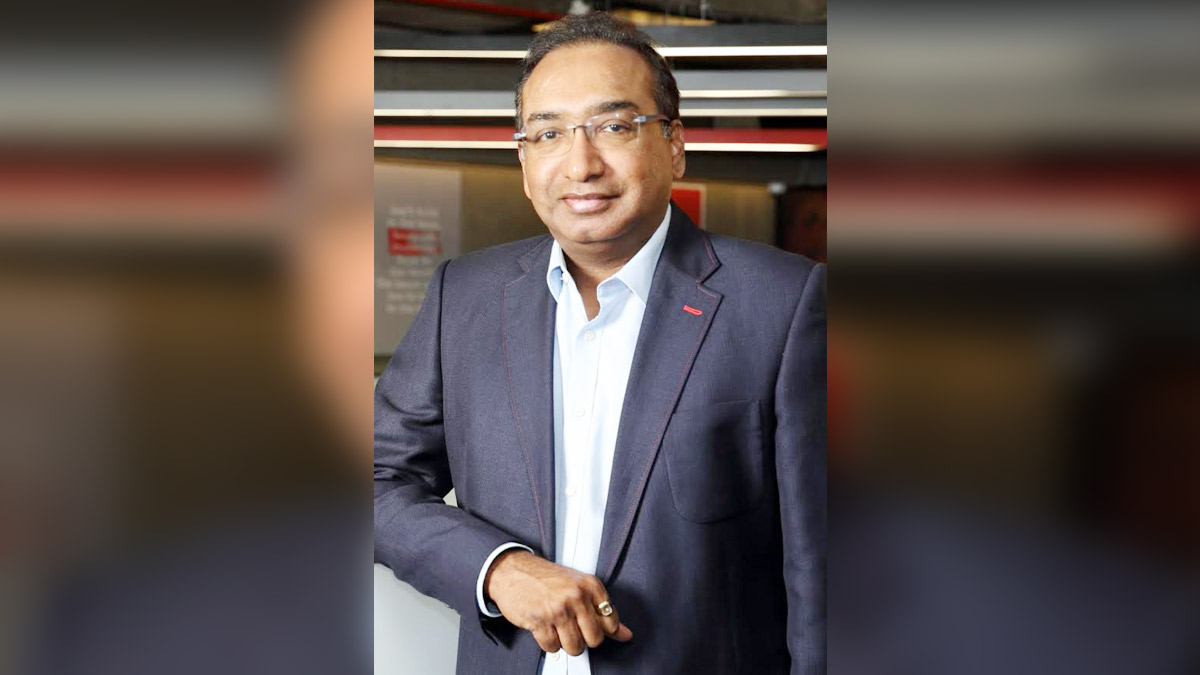
MUMBAI: After a decade of calling the shots, Sameer Nair is taking a bow from Applause Entertainment. The veteran industry leader and CEO of the prominent content studio is stepping down from his role, according to sources familiar with the development. This marks a significant leadership transition at one of India’s key players in the television and digital content space.
Applause Entertainment, part of the Aditya Birla Group, has built a strong reputation under Nair’s leadership for its high-quality adaptations of international formats and a slate of original series across OTT platforms. Nair, who joined the company a decade ago, was instrumental in shaping its growth and positioning it as a notable force in India’s evolving streaming landscape.
Prior to Applause, he held senior roles at major media organisations, including Star India, where he played a pivotal part in the launch of the iconic show Kaun Banega Crorepati in 2000. He also worked with Balaji Telefilms and NDTV Imagine.
It remains unclear who will succeed Nair or what his next professional move will be. Queries sent to Nair did not receive a response, and Applause Entertainment declined to comment on the matter.
His exit comes at a time when the Indian content ecosystem is undergoing rapid changes, with streaming platforms recalibrating investments, focusing on profitability, and adjusting content strategies amid shifting viewer preferences and increasing competition.
Industry insiders suggest the transition could signal a strategic reset for Applause as it navigates the next phase of growth.
In the fast-paced world of Indian entertainment, where hits can fade as quickly as they rise, Sameer Nair has enjoyed a remarkably steady and influential run. As he steps off the stage at Applause, the spotlight now turns to what comes next for both the executive and the studio he helped build.







