MAM
APL Apollo ropes Crayons Advertising to campaign its new product
MUMBAI: Crayons Advertising conceptualizes and produces a television campaign for APL Apollo, India’s largest manufacturers of steel pipes, to launch an innovative product – Apollo Chaukhat. The TV Commercial (TVC) features its Brand Ambassador Amitabh Bachchan in a fun-filled family setting.
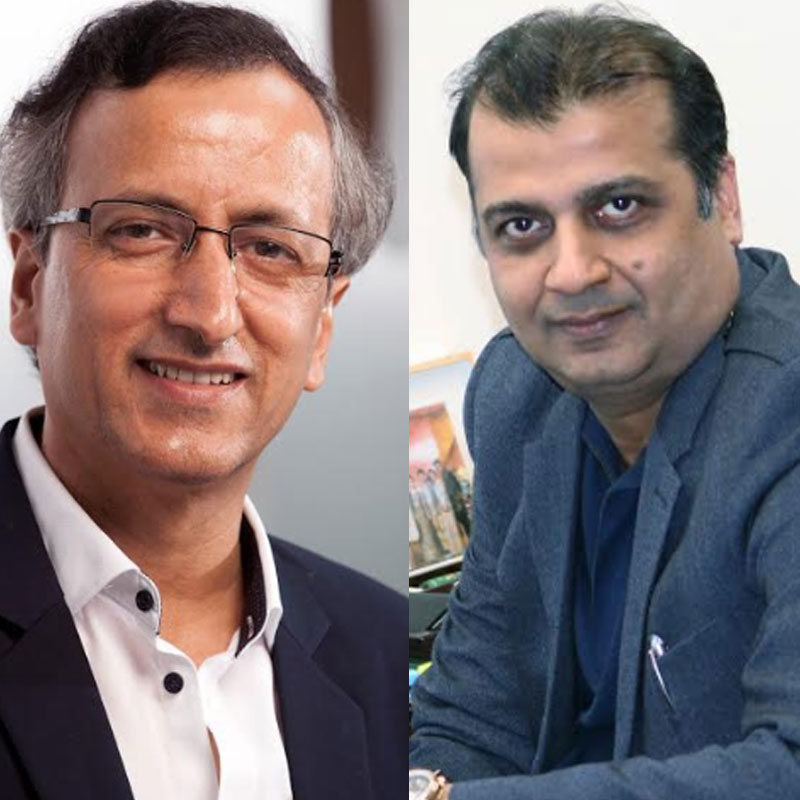
APL Apollo’s chairman Sanjay Gupta, talking about their product, said: “We are looking at creating a new category that is steel door frames which will address environmental concerns as well as the economy.”
He further said that APL Apollo Chaukhat aims to replace wooden door frames, ensure longer product life at a much lower cost. The campaign has been launched through Television nationally.
The film packs in the right dose of humour and product information, delivered by Bollywood actor Amitabh Bachchan, said Crayons Advertising. “It conveys the ease and utility of steel door frame in a dramatized and lighter way.”
The Crayons Network president Ranjan Bargotra said, “This campaign is not just about creating awareness but also about creating a ‘Category’ and that’s why we are very excited about it. It feels great to be part of a Brand being built from scratch.”

Digital
India leads global adoption of ChatGPT Images 2.0 in first week
From anime avatars to fantasy covers, users turn AI visuals into culture
NEW DELHI: India has emerged as the largest user base for ChatGPT Images 2.0, just a week after its launch by OpenAI, underlining the country’s growing influence on global internet trends.
While the tool was introduced as an advanced image-generation upgrade within ChatGPT, Indian users are quickly reshaping its purpose. Instead of sticking to productivity-led use cases, many are embracing it as a creative playground for self-expression, storytelling and online identity.
From anime-style portraits and cinematic headshots to tarot-inspired visuals and fictional newspaper front pages, the model is being used to create highly stylised, shareable content. Features such as accurate text rendering, multilingual prompts and the ability to generate detailed visuals with minimal input have helped drive rapid adoption.
What sets the latest model apart is its ability to “think” through prompts, generating multiple outputs and adapting to context, including real-time web inputs. But the bigger story lies in how users are engaging with it.
In India, trends are already taking shape. Popular formats include dramatic studio-style lighting edits, LinkedIn-ready headshots, manga-inspired avatars, soft pastel “spring” aesthetics, AI-led fashion moodboards, paparazzi-style visuals and fantasy newspaper covers. Users are also restoring old photographs, creating tarot-style imagery and experimenting with futuristic design concepts.
Local flavour is adding another layer. Prompts such as cinematic portrait collages and Y2K-inspired romantic edits are gaining traction, blending global aesthetics with distinctly Indian internet culture.
The surge reflects a broader shift in how AI tools are being used in the country, moving beyond utility to creativity. As younger users, creators and social media enthusiasts experiment with new visual formats, AI-generated imagery is increasingly becoming part of everyday digital expression.
If early trends hold, ChatGPT Images 2.0 may not just be a tech upgrade but a cultural moment, giving millions a new visual language to play with online.