MAM
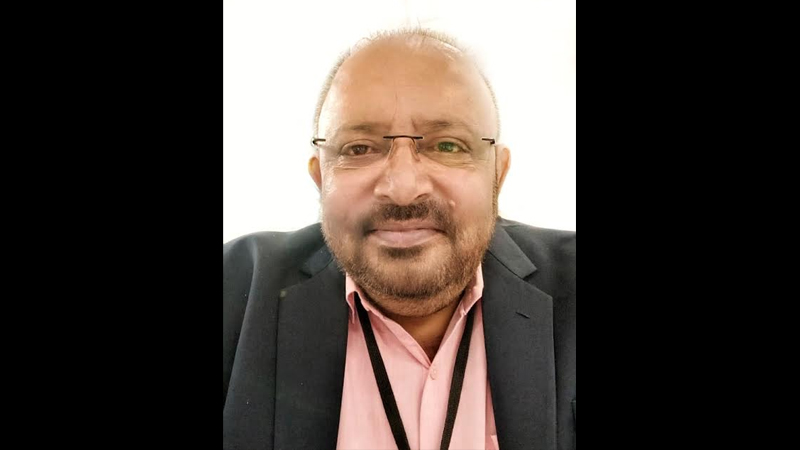
Subhadro Das joins Mocemsa as CEO
Mumbai: Mocemsa, the Indian fragrance house, has announced the appointment of Subhadro Das as their new chief executive officer. With over two decades rich experience in spearheading leadership roles across marketing, sales, and business development, Das brings his expertise and visionary leadership to Mocemsa. His key priorities will include consolidating resources and continuously developing the brand front across all verticals and innovations
Das’ extensive career included key roles at Desire Fragrances BV, Raymond Consumer Care Ltd, Beauty Concepts Pvt Ltd, and Pepe Jeans London. His vast experience in handling premium and luxury brands provides him with unique insights and strategies to lead Mocemsa to new heights.
“We are happy to have on board Subhadro as our CEO. His extensive experience and innovative mindset align perfectly with our vision for Mocemsa’s future. We look forward to achieving newer heights with him.” Mocemsa co-founder Paarth Malhotra.
“I see the fragrance and wellness category at an early stage in India, but believe the market is growing at a breakneck speed. With the changing trends in the Indian economy, the market is poised for mammoth growth. Continued innovation in products and enhanced customer engagement are crucial” said Das on his appointment. “Mocemsa is positioned to take advantage of these trends, providing products that appeal to both aspirational and high-end consumers. I look forward to joining the Mocemsa team and leading Mocemsa to the forefront of Indian fragrance brands within the next five years.”
Das envisions Mocemsa as an Indian leader in the global fragrance and wellness category. His strategic focus includes increasing the exposure of Mocemsa’s diverse portfolio, securing more retail space, and establishing a global footprint. He aims to position Mocemsa to appeal to both aspirational and SEC A+ categories, catering to evolving market trends.
Under his leadership, Mocemsa is looking forward to further innovating and growing. This will be done through streamlined organizational structures internally and externally. Describing his leadership style as centered on fostering strong team dynamics, Das believes in identifying, engaging, and retaining the right expertise. He plans to engage and motivate the Mocemsa team by distributing responsibilities and empowering employees at all levels.

MAM
Kerala election ads surged in 2026, with print nearly tripling and TV up 52 per cent
Political parties spent bigger and smarter this cycle, concentrating their firepower in the final weeks before polling day
KERALA: Kerala’s politicians discovered something in 2026 that seasoned marketers have known for years: timing is everything, and when in doubt, spend more. Political advertising during the Kerala Assembly Elections 2026 surged sharply across traditional media compared to the 2021 cycle, with print and television leading the charge, according to the latest analysis by TAM AdEx.
Print was the standout performer, expanding nearly 2.7 times compared to 2021, a striking jump that underlines its continued grip on targeted political communication in a state with some of India’s highest newspaper readership. Television was not far behind, with ad insertions rising 52 per cent, reflecting the enduring appeal of mass-reach platforms for shaping voter sentiment at scale. Radio held steady, mirroring television trends and reinforcing its role as a reliable supporting medium.
The pattern of spending was as revealing as the volumes. More than 85 per cent of all political ad insertions were recorded in the weeks immediately before polling, a concentration that points to a deliberate, last-mile strategy. Ad volumes peaked during weeks four and five in both the 2021 and 2026 cycles, suggesting that parties have settled on a consistent playbook of high-frequency messaging in the home stretch.
The contrast between media types was equally instructive. Print advertising maintained a relatively even spread across the campaign period, serving as a vehicle for sustained, detailed communication. Television and radio, by contrast, displayed sharp spikes in the closing weeks, deployed as blunt instruments for high-impact bursts at the precise moment voters are making up their minds.
What the 2026 cycle signals most clearly is a shift toward more structured, data-driven media planning. The increase in overall volumes, combined with sharper peaks in campaign intensity, suggests that political advertisers are beginning to think less like propagandists and more like performance marketers, balancing broad reach with targeted engagement and watching the returns closely.
Kerala’s election advertising has, in short, grown up. The question for the next cycle is whether digital finally gate-crashes a party that print and television have so far kept firmly to themselves.