Brands
The future of AI and ML-driven platforms in the coming decade
Whenever I talk about artificial intelligence (AI) and machine learning (ML), most people immediately think of Terminator or one of the many sci-fi movies that show super-intelligent machines trying to overpower the human race. But in reality, we use AI in our day-to-day lives more often than we think, because it has been adopted by the major platforms, such as Google, Facebook, Netflix, Amazon, Myntra, and Flipkart. When you scroll through Facebook and see videos and articles that pique your interest, when Netflix recommends The Witcher before you can mourn the end of Game of Thrones, or when Myntra lets you know that your outfit will be incomplete without a pair of matching shoes – all this is the work of AI and ML-driven solutions. So we can easily say that it is one of the most disruptive technologies in history that is helping companies enhance efficiencies and boost revenues. It is no wonder that as per PwC's recent report, AI's potential contribution to the global economy is slated to be $15.7 trillion by 2030!
However, the industry is still evolving, and we are a far cry from creating systems that can contend with a creative, intelligent human brain. So, without any further ado let's take a look at a few trends that are going to shape the future of AI- and ML-driven platforms this decade.
Smarter Search Functionality: With the rapid development of natural language processing (NLP), I am sure that search engines would gain a better understanding of our language using linguistics, semantics, and ML techniques. When you search via text or voice recognition using conversational language, technology will be able to respond to even the most complex queries. Search engines and ecommerce websites will display more relevant, contextual results, leading customers straight to the products they want, thereby increasing the chances of conversion.
Working with Limited Data: One of the challenges AI developers and data scientists face is stringent data privacy laws. More than hundred countries have various data privacy laws in place, so it is complicated to make data both protected yet accessible. However, with time, the reasoning abilities and intelligence will improve, which means that we can work even with limited data. Unlike the data-hungry platforms of today, machines in future will learn to cope in cases of missing, unreliable or changing data.
More Accurate Insights and Predictions: Deep learning capabilities coupled with advanced data analytics will help businesses derive more accurate insights into the minds and patterns of customers, as well as help predict and interpret behavior. Moreover, AI- and ML-led platforms will receive these actionable insights in real-time, enabling them to tweak their business strategy on the fly.
Better Product Recommendations: Customers are expecting highly personalized shopping experiences, and AI and ML-driven platforms will evolve to fulfill the role of a live salesperson. So if you are shopping during Christmas, the platform will use past purchase history and current activity to recommend products, and it will also be able to adjust prices of high-demand items in real-time. Leading shopping search engines such as Google Shopping, Amazon DSP, and Taglr are already leveraging AI. For example, Taglr's easy-to-use digital advertising platform, ShopperAds – analyzes demographics, preferences, shopping patterns, and past purchases to recommend relevant products, thus cutting down on transaction time and customer acquisition costs. And as ML algorithms never stop learning, with every shopping experience, the recommendations will be more tailored and precise.
Better Customer Support: Bot platforms will be able to offer 24/4 support via virtual agents and live chat and solve problems in a human-like fashion. Also, ML models will use the questions and answers generated to predict future conversations, thus facilitating interactions with customers. There will come a time when we wouldn't know whether we are chatting with a human or a bot!
So, it is abundantly clear that in next 10 years AI and ML-led platforms will not only completely revolutionize the way businesses interact and engage with consumers, but also help businesses improve productivity, reduce costs, and save time.
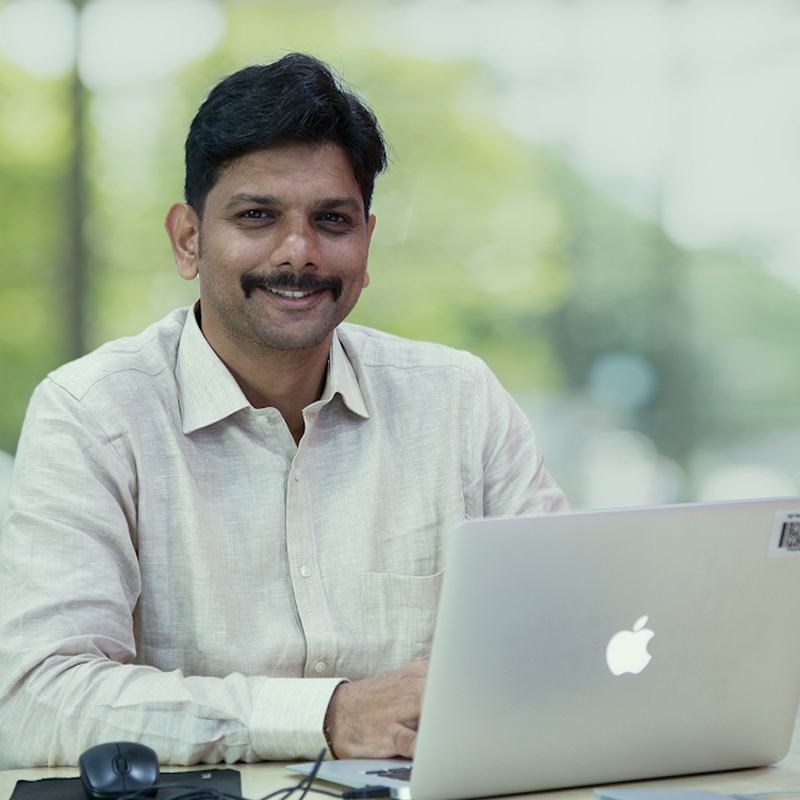
(The author is Taglr CEO. The views expressed are his own and Indiantelevision.com may not subscribe to them.)

Brands
India’s food culture takes a bold turn in 2025
From fusion desserts to experiential dining, four trends reshape how the nation eats.
MUMBAI: India’s plates just got a serious upgrade in 2025 because when tradition meets TikTok and fusion meets fitness, even the humble samosa starts feeling trendy. The Godrej Food Trends Report 2025 predicted several shifts in Indian eating habits, and the past year proved the forecasters right. From reimagined desserts to immersive dining experiences, Indian consumers showed they want authenticity, convenience, global flavours and health in equal measure.
Here are four trends that truly came alive in 2025 and are now shaping how India eats and dines:
1. Indian Desserts Get a Modern Makeover Traditional mithai found fresh life through fusion experiments. Cheesecakes, truffles and plated desserts inspired by classics like gulab jamun and rasgulla gained popularity, while chocolate-forward, fruit-led and lower-sugar options appealed to younger diners. According to the How India Eats 2025 report, desserts and ice-cream parlours were among the fastest-growing segments in organised food services. Examples: The Bombay Canteen’s Coffee Rasgulla Sundae and Le Chocolate Cakes and More’s Gulab Jamun Cake. Chef Aarohi Sanghavi of Maki Patisserie noted the shift toward seasonality and fresh Indian produce, while Chef Heena Punwani of Maska Bakery highlighted the appeal of flexible, weekend-special menus.
2. Social Media Becomes the New Menu Food discovery went fully digital. Instagram Reels, YouTube reviews and creator-led content heavily influenced dining choices, with food remaining one of the most consumed categories on social media. Restaurants began designing visually striking dishes specifically for shareability, while many diners found new spots through viral videos rather than traditional advertising. The How India Eats 2025 report revealed that over 75% of marketing spends by leading QSR chains now go toward digital channels. Cafes like Mokai and Candies became creator favourites, and brands such as Bastian Hospitality curated highly shareable pop-ups and events. Kavita Rajwade of IVM Podcasts emphasised how long-form storytelling helps decode food’s cultural and economic layers, while Pranav Joshi of Floydian Cookery admitted his page grew far beyond expectations.
3. Snacking Culture Goes Mainstream India’s love for snacks evolved into a full grazing lifestyle, with many opting for multiple small bites throughout the day instead of three structured meals. This shift spurred innovation in formats—from gourmet chips and fusion street food to protein-packed options. Restaurants responded with small-plate menus designed for sharing. The How India Eats 2025 report noted that late-night orders grew nearly 3x faster than dinner. Brands like The Whole Truth Foods and Green Snack Co. popularised clean-label snacks such as protein bars and roasted nuts. Madhushree Basu Roy of Pikturenama Studios predicted a mix of convenience, health consciousness and global influences, while freelance food writer Sharmila Vaidyanathan observed that consumers want the best of both worlds healthy options for routine snacking and traditional treats for special occasions.
4. Dining Becomes an Experience, Not Just a Meal The most noticeable shift was the rise of experiential dining. Consumers increasingly sought restaurants that offered more than good food, they wanted immersion, storytelling and chef-driven concepts. Venues like Papa’s in Mumbai (intimate tasting menus), Bombay Daak (theatrical regional flavours) and Masala Library (modernist presentations) turned meals into memorable events. Tasting menus, themed pop-ups and chef collaborations became more common, transforming dining out into entertainment. The How India Eats 2025 report highlighted how experience-led formats and storytelling are key to attracting younger diners. Chef Karan Upmanyu of ParTTwo in Bengaluru observed that new outlets are breaking away from rigid formats, focusing instead on creating relaxed spaces where people simply enjoy spending time.
As 2026 unfolds, these trends suggest India’s food culture is no longer just about what’s on the plate, it’s about how the plate makes us feel, connect and remember. From a quick Reel-inspired snack to a full theatrical dining experience, Indian diners are voting with their forks for food that is both rooted in tradition and unafraid to experiment. The table, it seems, has never been more exciting.