MAM
Audi and Maisie Williams invite the world to “Let It Go” and embrace electric future in Game Day spot

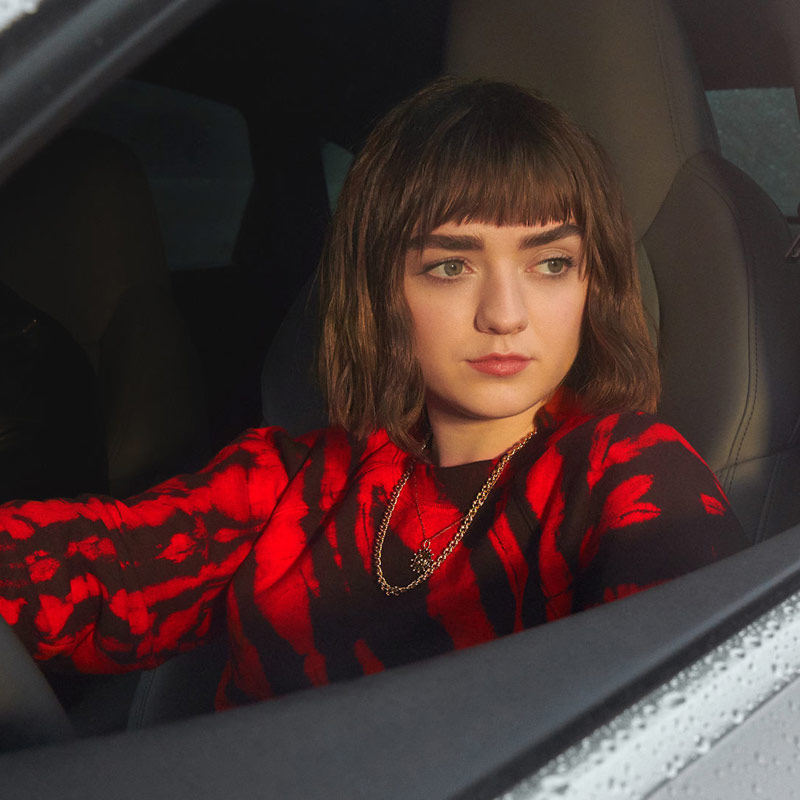
MUMBAI – Audi returns to the biggest night in American football with a musically-inspired, 60-second commercial called “Let It Go” featuring actor Maisie Williams. Williams takes the wheel of the all-new Audi e-tron Sportback to help kick off a global brand campaign about Audi’s long-term ambition to shape a new era of sustainable mobility. Created by global partner agency 72andSunny Amsterdam, the spot was directed by François Rousselet and marks the brand’s eleventh appearance at the game.
Launched during one of the world’s biggest cultural moments, the commercial follows Williams, a vocal advocate for action on climate change, as she sings her own interpretation of the hit song “Let It Go” from Disney’s “Frozen.” Oscar® and Grammy®-winning songwriters Kristen Anderson-Lopez and Robert Lopez penned “Let It Go” for the Oscar®-winning animated film “Frozen.”
In the ad, Williams gets behind the wheel of her Audi e-tron Sportback and finds herself stuck at an intersection, which represents a crossroads of today’s preconceptions and old notions of consumption, success, and status. Williams chooses to reverse course and leave it all behind, breaking into the familiar lyrics of “Let It Go” as she drives towards a more sustainable future. Along the way, fellow drivers, pedestrians, and others join in, representing the brand’s efforts to usher in a new era of sustainable mobility. The journey is a metaphor for how the decision to make more sustainable choices takes all of us doing our part.
Recorded by Williams at the acclaimed Abbey Road Studios in London, the reinterpretation of “Let It Go” lends a strong storytelling element to the ad. It is a new, more defiant take on a song that took the world by storm, but still showcases that transformation always starts with letting go of something old to create something new. In this case, moving toward a more sustainable future.
“The biggest night in American football, and one of the last truly live global television events, serves as the perfect moment to share our strategic path toward sustainable premium mobility with a worldwide audience,” said Sven Schuwirth, Head of Brand Audi, Digital Business and Customer Experience. “Maisie Williams is the perfect representative of how consumers are increasingly choosing, and advocating for, transportation options that are more sustainable. As a creative innovator, she perfectly embodies millions of peoples’ desires to make the transition to an electric future.”
“Creating a sustainable, livable future for generations to come is the world’s most important challenge. I’m proud to share Audi’s vision for sustainable mobility in this global brand campaign,” said Williams.
Recharging Vorsprung durch Technik This commercial is the first installment in a new global brand campaign from Audi aiming to recharge the “Vorsprung durch Technik” (Lead by Technology) tagline with new meaning. To strengthen and unify the brand promise, for the first time ever, the ad will also roll out across TV and social media channels in multiple markets including Germany, Italy, France, U.K., Spain, and China.
The ad also aims to plant a firm stake in the ground about the brand's ambition to unleash the beauty of sustainable mobility. Globally, Audi plans to introduce around 30 electrified vehicles by 2025, and that is only the starting point of a reinvention that will touch many brand-relevant topics that go beyond the car itself. Audi’s big ambition: to become a CO2-neutral company on balance by 2050. Many of the projects that will work to achieve these goals, such as the production plant for the Audi e-tron in Brussels, that has been certified as CO2-neutral, are
featured on audi.com/sustainability.
Over the course of this year, several additional chapters of the global brand campaign will cover strategic topics such as electrification, connectivity, customer experience, and design. The intention is to systematically rejuvenate the brand, and in particular, build awareness and attract new audiences by emphasizing topics like sustainable mobility as new forms of luxury.
Within the global Audi Group, this brand campaign project is being driven in an agile network with colleagues from all over the world. 72andSunny Amsterdam as a creative agency will be Audi’s global partner for the full campaign, which will roll out throughout 2020.