iWorld
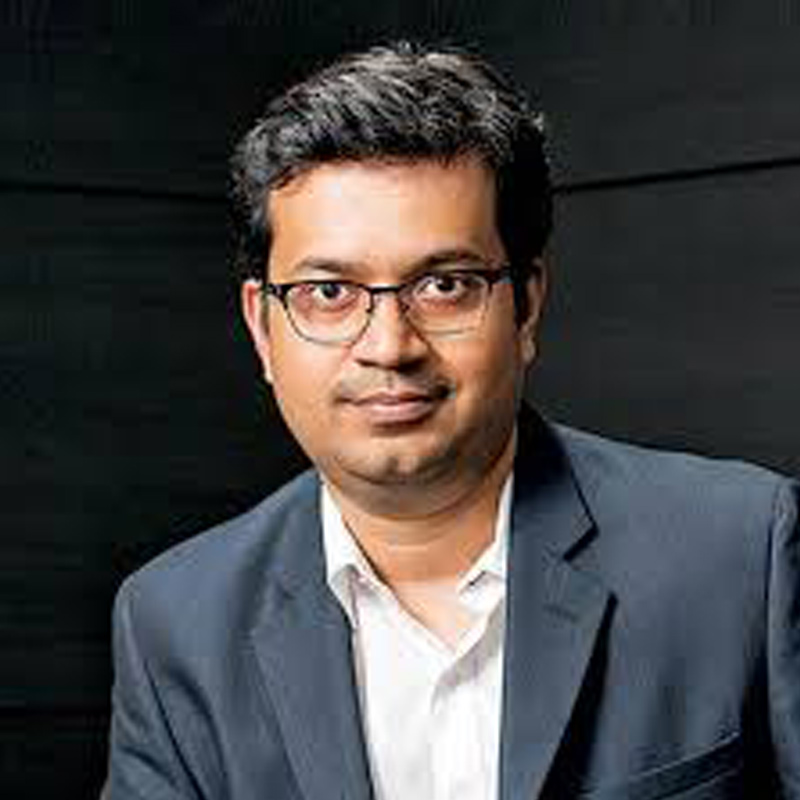
The biggest focus area for Hotstar is big scale-big idea-high concept series: Gaurav Banerjee

MUMBAI: Streamers in India are now bombarded with ‘original’ content on over-the-top (OTT) platforms. With so many shows, the only way to make a mark is by telling stories that matter and offering narratives in their comfort language. Hotstar gets both of it right. The late entrant in the game of originals does want to win the crown with ‘x’ number of shows but with quality stories. Hotstar is also ready to tap the regional market this year.
It has launched its first masterstroke of the year, Special Ops. The eight-episode series marks the digital debut of filmmaker Neeraj Pandey. The seventh series under Hotstar Specials is not targetted at any particular audience segment but the makers hope everyone watches it, as Star India Hindi Entertainment head Gaurav Banerjee said.
Banerjee noted the importance of the full-length trailer as it would draw more viewers if it receives a good response. Given Pandey's stature and calibre, the OTT platform is depending on those aspects to pull viewers this time.
Banerjee said that they would leverage the reach of the Star network and Hotstar to make this widely known to fans and to let them know that something “exciting and interesting” is now available. He is also hopeful of IPL giving a further boost to its attraction.

In a candid chat, Banerjee also spoke on Hotstar’s strategy going forward.
Edited excerpts:
Thriller seems to be a common genre in the OTT ecosystem. How is Special Ops different from other shows?
We can’t know what other people are doing. Therefore, we have stuck to the simple task of believing in our showrunner, his story and the knowledge of his craft. We've been talking to Neeraj and developing the show for the last 18 months. We have to believe that the story that we are telling has relevance, so viewers should see it and want to watch it. And you must believe that the storyteller has a lot of conviction. They're really motivated and inspired to tell that story.
How many shows do you have in the pipeline for the rest of the year? What are the new formats you are looking at?
We have several shows in the pipeline. But we are not defining our success by quantity, only by quality. So we don't want to build a big library. We don't want to drop a show every week. What we really want to do is to have some shows which viewers deeply care about or that hugely excites them. I think for us, that is success. So we have a deep pipeline of ideas that excites us but we want those to be really extraordinary. We don't want to build this business on the strength of library or frequency of launches.
How are you looking at digital original movies?
We have done a couple. But the biggest focus area for us is big scale-big idea-high concept TV series. I think that's something that that in India is pretty new. We have been at it for the last 13 months. That's what we will truly stay committed to. We want to learn how to make those well, market them, write them differently and cast them properly.
What is your plan in the regional market? Will you come out with regional shows this year?
We will this year. So I'm happy to confirm that Hindi will not be the only language in which we will be running productions. We want to run productions and make original content on Hotstar in other Indian languages as well. There are already two Tamil shows which we are in very advanced production right now.
Are you only focusing on South Indian languages?
Tamil is a huge market for us. In the Hotstar India Watch Report which we reported a while ago, we said that Big Boss Tamil was the most-watched piece of content. I think the Telugu market is important as well. We have big creative teams across many Indian languages. We have a very strong presence in Bengal with Star Jalsha, great presence in Marathi with Star Pravah, we have the best Malayalam channel Asianet. So I think all those are very powerful content engines and people everywhere are looking for ideas and talking to us and hopefully, we will see a lot of that come through.
What viewership trends have you noticed?
I think viewers are looking for variety. And what has worked very well for us is that we have offered a wide range of content. I think people have liked that. The second thing is something that really connects, that people watch a lot. So, I think engagement is fabulous. They can watch a long complex drama when they find the content is engaging and they haven't seen earlier.