Cable TV
IMCL’s business continuity plan to ensure LCO safety during COVID-19 crisis

MUMBAI: Organisations across the globe and across sectors are re-orienting work procedures amid the COVID-19 pandemic as the crisis continues to escalate. While remote work is easier for a few organisations, the industries which demand on-ground work are facing tougher challenges; distributor platform operators (DPOs) come under this segment. IndusInd Media and Communications Ltd (IMCL), one of the major multi-system operators (MSO) in India, is stepping up its efforts through ‘Business Continuity Plan’ (BCP) to ensure the safety of the staff alongside smooth operation.
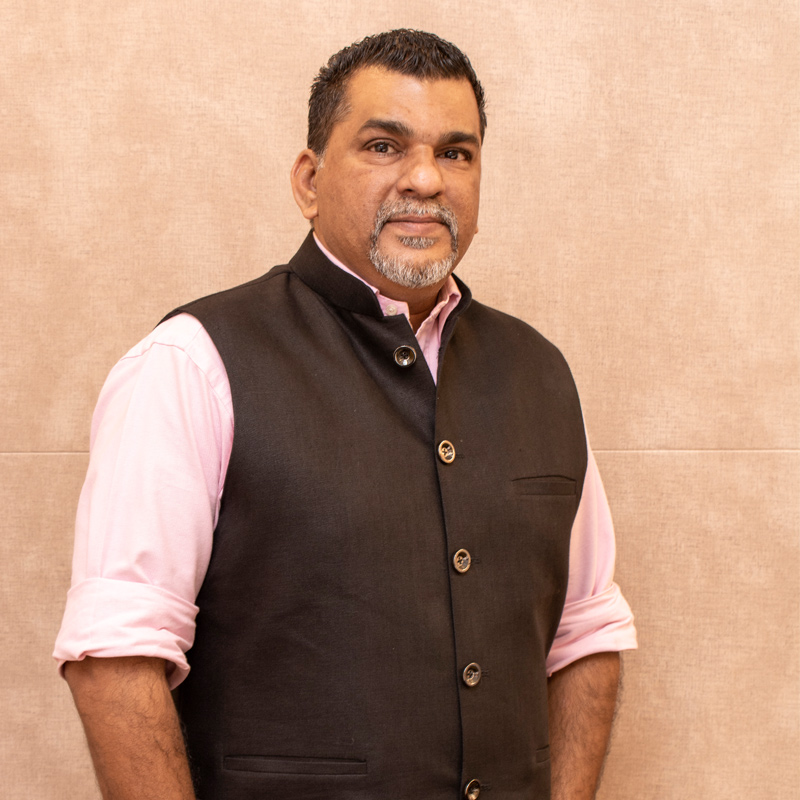
IMCL CEO Vynsley Fernandes spoke about the BCP which was in place way before the pandemic kicked in. The plan applies to all the functions including sales, technical across regions and layered in three levels. Under L1, basic precautions would be taken and employees work under three shifts, each of eight hours. The L2 kicks in under a lockdown when certain functions are not able to perform; the operation then takes place in two shifts of 12 hours and employees coming to office get reduced to 33 per cent. In the extremely critical situation, L3 gets effective under which only very critical 2-3 per cent staff come to office and stay at the workplace for 24 hours; rest work from home. Moreover, the company puts into action all the digital mechanisms for collections from the cable operators at this level. IMCL is currently operating under L3.
“LCOs have a concern that they don't want to allow the subscriber to make the payment transfer directly to us. And so, what we did was we tied up with EASEBUZZ and we got the LCOs to get money transferred from their subscribers to their accounts. The Central Action Team (CAT) gets on a video conference call in the morning at nine o'clock and in the evening at five o'clock every day. Every day, we talk to take stock of the situation, what action to take, how to keep our staff safe, and what procedures to put in place,” Fernandes added.


How the business is running under current situation
Fernandes said this plan is helping them keep the businesses ongoing in terms of renewal, subscription, collection and packages. LCOs are easily collecting money from customers. Moreover, IMCL has also circulated a number of materials to LCOs on how they can stay safe and keep customers safe. He added that they did the entire communication in 11 languages. He mentioned that when the crisis started about three weeks ago, they circulated the health guide at that time itself.
“We shared with all our LCOs and we also asked them to share with their customers, because we wanted to make sure the safety as it is not just a business, it's also a moral duty. We made sure that we spread a lot of communication on how to stay safe,” he added.
How is IMCL effectively communicating?
As Fernandes said, it is communicating to the LCOs on WhatsApp because they are all connected to the IMCL team through this messaging app. IMCL also sent out letters and posters to the LCOs. Moreover, they are also connecting to the subscribers on TV itself. If a NXTDigital subscriber switches on the TV, he will get to see a lot of communications from the MSO on what precautions to take, what call centres to call up along with other details.
“We've been very proactive on this, because we are dealing with the LCOs. We made sure that we got everything sorted out in the difficult time but also looked at how we can help our staff and LCOs as much as possible. We took whatever action we had to take that way,” he concluded.