Brands
Vega aims to refresh cosmetic industry with SERY
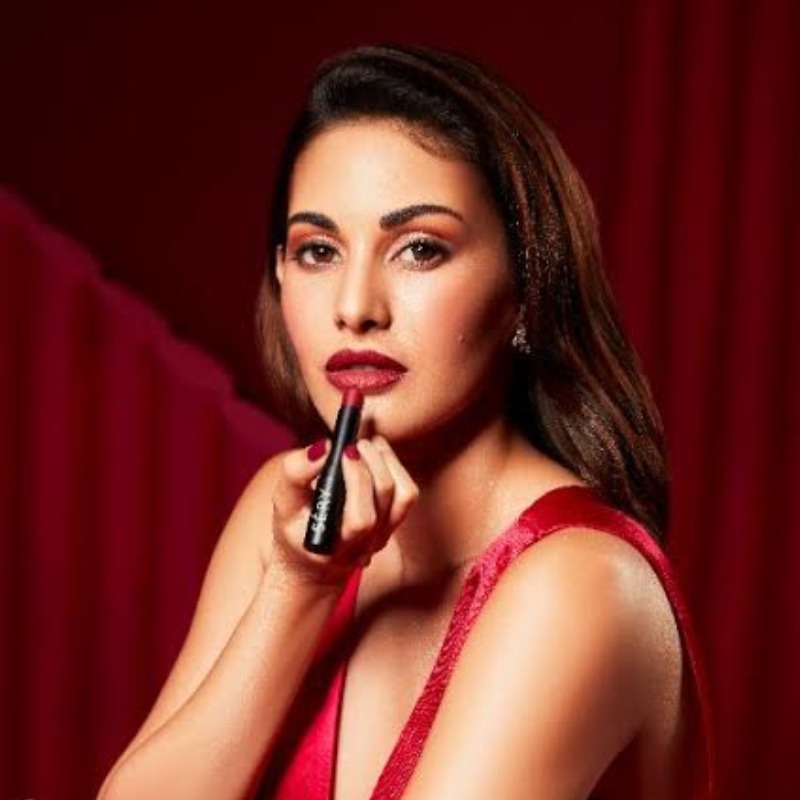
NEW DELHI: Personal care appliances brand Vega has forayed into the cosmetic brand with the name SERY. The company launched its product through e-commerce channels including its own website. SERY has entered the market with an easy-to-use, stick format make-up range.
The brand has roped Bollywood actress Amyra Dastur as the brand ambassador. As part of the association, Dastur will be featured in the latest launch campaign video.
The company has expanded its footprints at a time when the cosmetic industry has been facing a steep decline due to the pandemic. Not only India but across the APAC region, many cosmetic brands have witnessed net sales decreased in the past few months.
SERY MD Sandeep Jain shared, “The Covid2019 pandemic has had a negative impact on the industry. But many indigenous brands have started creating stronger e-commerce presence since offline has taken a hit. Individuals, particularly millennials, continue to purchase items via e-commerce platforms besides buying products directly from their favourite brands’ websites. So, having a strong presence in leading e-commerce platforms will be of help. However, retail will continue to be a point of focus for us in the near future.”
VEGA has been a known brand in the personal care market. The company started its operation in 2006 as a makeup brush brand but transformed itself into a one-stop-shop brand for beauty care accessories and personal care appliances by 2013.
“Ever since we launched Vega in the Beauty Accessories and Personal Care Appliances category, our aim was to diversify into other segments. Although our initial plan was to bring everything together under one roof, we realised that launching a fresh brand would help in transforming the market without losing the intrinsic values of the respective brands,” he said.
The idea behind launching a new brand, in an already cluttered market, was to bring the consumers something different and unique as a concept. “Being unique in terms of the pricing model and the product itself is of huge importance to brands today. The advent of the digital age has exposed the younger generation to a whole new world of products that are better, cheaper and more easily accessible,” he added.
The brand mentioned that it’s not possible to have a retail presence right now, but a large population continues to shop from their favorite retail store instead of e-commerce.
Jain also added that the pricing is competitive and comparable to big brands. Instead of the regular OOH billboard style of campaigns, the brand will look at digital for now.

Brands
Estée Lauder to shed 10,000 jobs as new boss bets on digital shift
The cosmetics giant raises its profit outlook but stays silent on a possible merger with Spain’s Puig, as job cuts deepen and a three-year sales slump weighs on the turnaround
NEW YORK: Stéphane de La Faverie is not done cutting. Estée Lauder announced on Friday that it plans to eliminate as many as 3,000 additional jobs, taking its total redundancy programme to as many as 10,000 roles, up from a previous target of 7,000 announced a year ago. The company, which owns La Mer, The Ordinary, Tom Ford, and Aveda, employs roughly 57,000 people worldwide. The mathematics of what is now being contemplated is stark.
The fresh round of cuts is expected to generate a further $200 million in savings, bringing the total annual savings from the programme to as much as $1.2 billion before taxes. That money, De La Faverie has made clear, will be ploughed back into the turnaround.
A CEO in a hurry
De La Faverie, who took the helm in January 2025, inherited a company that had endured three consecutive years of annual sales declines. His response has been to move fast and cut deep. A significant portion of the latest redundancies reflects his push to reduce headcount at US department stores, long a cornerstone of Estée Lauder’s distribution model but now a channel in structural decline. In their place, he is accelerating the shift toward faster-growing online platforms, including Amazon.com and TikTok Shop, a pivot that is reshaping not just where Estée Lauder sells but how it thinks about its customers.
The numbers are moving in the right direction
Despite the pain, there are signs the medicine is working. Estée Lauder raised its profit outlook for the remainder of the fiscal year, guiding for adjusted earnings per share in the range of $2.35 to $2.45, above analyst estimates and a notable step up from the $2.05 to $2.25 range it had guided for in February. Organic net sales growth is expected to come in at 3 per cent, the company said, at the high end of the range it set out in February.
The share price tells a mixed story. After De La Faverie took charge, the stock surged nearly 60 per cent, buoyed by investor optimism that a longtime company insider could finally arrest the decline. But 2026 has been rougher: the shares have fallen 27 per cent this year, weighed down by disappointing February results and the overhang of unresolved merger talks with Spanish beauty giant Puig Brands SA. The company gave no additional details about those discussions on Friday, leaving the market to guess.
Silence on Puig
The proposed tie-up with Puig remains the most consequential unknown hanging over Estée Lauder. A deal with the Barcelona-based group, which owns brands including Carolina Herrera and Rabanne, would reshape the global luxury beauty landscape. But with nothing new to say and a turnaround still very much in progress, De La Faverie is asking investors to trust the process.
Three years of sales declines, 10,000 job cuts, and a merger that may or may not happen. At Estée Lauder, the overhaul has barely started.