News Broadcasting
Star Sports CEO Gautam Thakar steps down

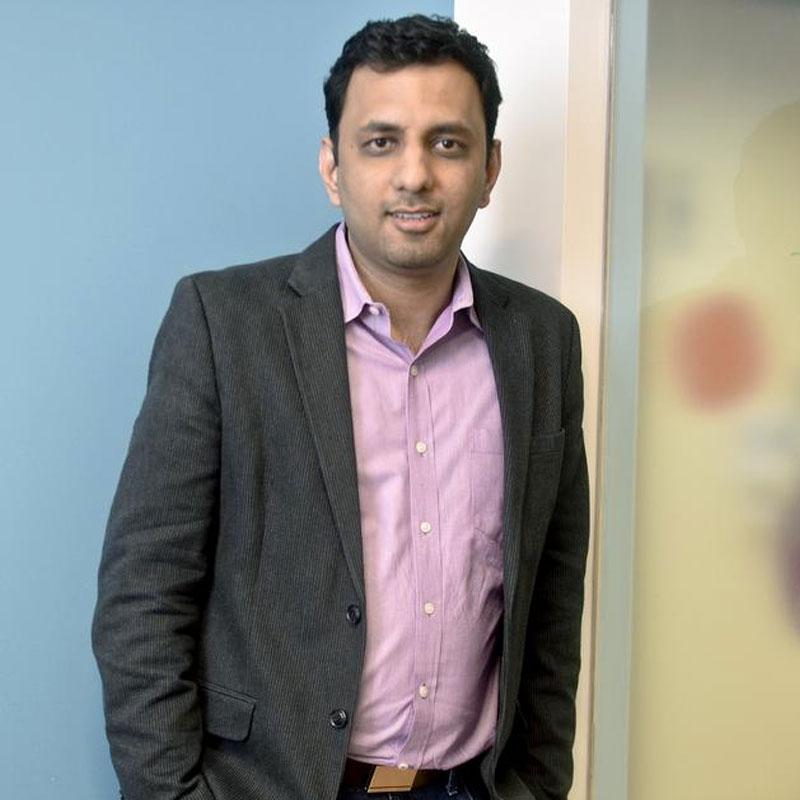
KOLKATA: Within a few days of Uday Shankar stepping down, another top-rung professional has called it quits at Walt Disney owned Star India. According to sources, Gautam Thakar has stepped down as Star Sports CEO to start his own venture.
Those close to the development say that Thakar’s departure was not a question of if, but when. However, his last date at India’s largest sports broadcaster has not been decided yet. In the interim, Star TV Network executive vice president Sanjog Gupta has stepped in to handle the sports division.
Thakar was appointed Star Sports CEO back in 2018. During his career, which spans over two decades, he has worked with renowned brands like LivingSocial, eBay, P&G. He has an MBA from IIM Lucknow and a Bachelor’s in commerce from Sydenham College, Mumbai.






News Broadcasting
CNN-News18 to air live counting day coverage for five state election results on May 4
The channel is rolling out its biggest election coverage machinery yet for results day on 4th May
NOIDA: The votes have been cast. Now comes the reckoning. CNN-News18 is pulling out all the stops for results day on 4th May, when counting begins across five battleground states — West Bengal, Assam, Kerala, Tamil Nadu and the Union Territory of Puducherry — in what promises to be one of the most closely watched electoral verdicts in recent memory.
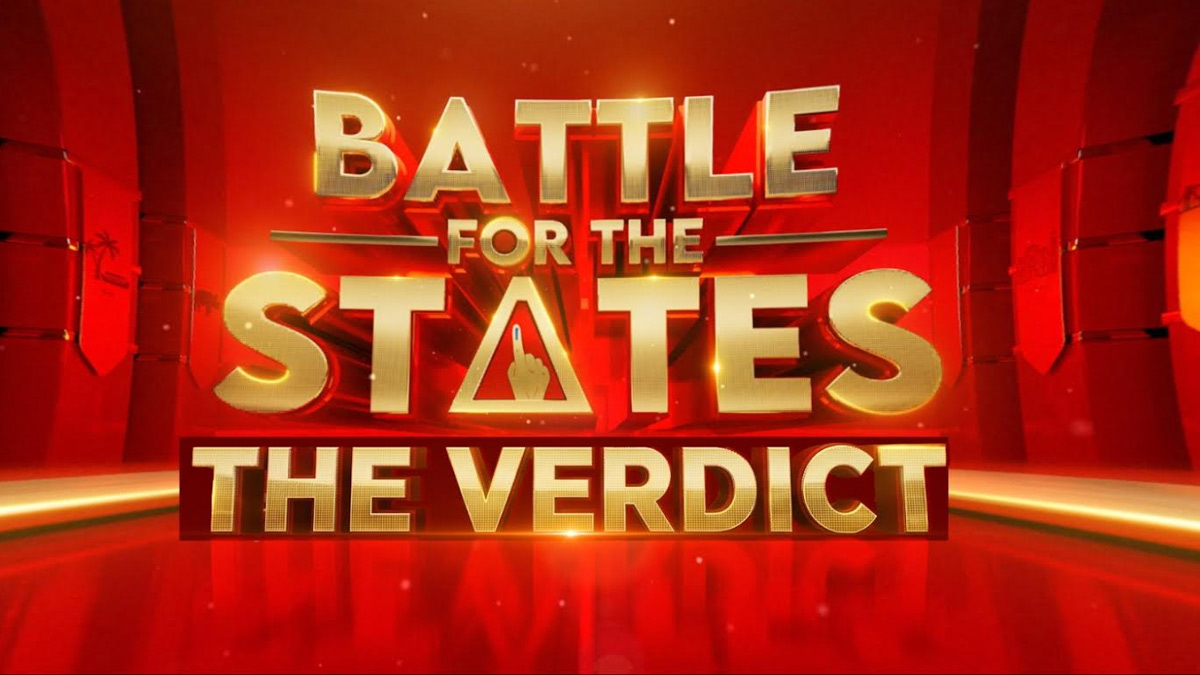
The channel’s coverage, titled Battle for the States: The Verdict, kicks off at 7am and runs through the day across linear TV, connected television and YouTube. It is the culmination of CNN-News18’s multi-format editorial initiative, Battle for the States, which has tracked the polls from the beginning under the theme Road to Power.
At the operational heart of the coverage will be the Live Results Hub, the channel’s central command centre built to collate, verify and process real-time data flowing in from reporters stationed at counting centres across constituencies. The hub combines newsroom intelligence, analytics and on-the-ground reporting to deliver what the channel promises will be the fastest and most accurate results coverage in English news.
Leading the on-air charge will be primetime anchors Rahul Shivshankar, Anand Narasimhan, Aman Sharma, Nabila Jamal and Shivani Gupta. They will be joined by a wide panel of commentators including author Chetan Bhagat; GVL Narasimha Rao, senior leader of the BJP; Smita Prakash, editor of ANI; activist Saira Shah Halim; political analyst Sumanth C Raman; Abhijit Iyer Mitra, senior fellow at IPCS; Amitabh Tiwari, founder of VoteVibe; columnist Abhijit Majumdar; Nalin Mehta, managing editor of MoneyControl; political analyst Tehseen Poonawalla; senior journalist Subir Bhaumik; and political analyst Manojit Mandal.
Shivshankar, who serves as editorial affairs director at CNN-News18, set out the stakes plainly. “Counting day is one of the most watched events in the electoral cycle, where speed and credibility are tested in real time,” he said. “Battle for the States: The Verdict is built on that promise, combining ground reporting, sharp analysis and cutting-edge election technology to give viewers the clearest and fastest route to the verdict. On May 4, CNN-News18 will once again be the nation’s most trusted channel to witness democracy in action.”
Smriti Mehra, chief executive of English and Business News at Network18, framed the coverage in broader terms. “Elections are defining national events, and audiences turn to brands they trust in moments that matter,” she said. “CNN-News18 has consistently led from the front in every election coverage, and this special programming reflects the scale of our ambition and editorial strength.”
The channel has form here. It claims to have been India’s most preferred English news destination for election results for the past 20 years, covering everything from the 2024 general elections to the Delhi, Maharashtra, Bihar and BMC polls on the back of what it calls an “Always First, Always Right” record. Five states, one day, and a nation waiting for answers. The clock starts at 7am on 4th May.