News Headline
No more ‘gutka’ with the game? BCCI faces heat over surrogate ads

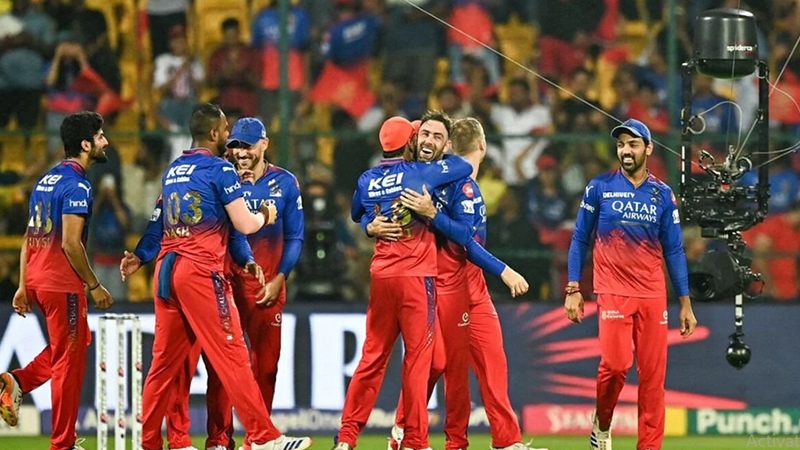
MUMBAI: Cricket might be a game of glorious uncertainties, but one thing the Union Health Ministry wants to be absolutely certain about is a tobacco-free Indian Premier League (IPL). In a major crackdown ahead of the tournament’s 22 March 2025 kickoff, the ministry has urged the Board of Control for Cricket in India (BCCI) to ban all forms of tobacco and alcohol advertising, particularly surrogate promotions by gutka manufacturers endorsed by Bollywood celebrities and former cricketers.
The ministry’s directive comes after a study by the Indian Council of Medical Research (ICMR) and Vital Strategies, published in the British Medical Journal, which found that 41.3 per cent of all smokeless tobacco (SLT) surrogate ads in 2023 were displayed during the last 17 matches of the Cricket World Cup. These ads, often disguised as ‘elaichi’ mouth freshener promotions, allow tobacco brands to sidestep advertising bans while maintaining high visibility.
In a letter dated 5 March 2025 to IPL chairman Arun Singh Dhumal and the BCCI, Director General of Health Services Atul Goel called for a blanket ban on tobacco and alcohol advertising across stadiums, related events, and national TV broadcasts. The ministry has also recommended that sports authorities discourage players, commentators, and stakeholders from endorsing tobacco-linked brands, either directly or indirectly.
The letter stressed that cricketers are role models for millions, and the IPL, India’s largest sporting spectacle, has a moral responsibility to support public health initiatives. Goel pointed out that tobacco and alcohol consumption are leading contributors to India’s non-communicable disease (NCD) burden, with cardiovascular ailments, cancer, lung disease, diabetes, and hypertension accounting for over 70 per cent of annual deaths. India ranks second in global tobacco-related fatalities, with nearly 1.4 million deaths per year, while alcohol remains the country’s most widely used psychoactive substance.
Despite strict advertising restrictions, India’s alcohol and tobacco industries continue to wield influence through high-profile sporting events like the IPL. The alco-bev market, currently worth Rs 1.7 trillion, is projected to touch Rs 5 trillion by FY28, while the tobacco sector is set to generate 14 billion dollors in revenue by 2025, according to Statista. However, with increasing government scrutiny, companies are expected to cut brand extension ad spends by 20-30 per cent, reports Financial Express.
The crackdown isn’t limited to cricket. India became the first country to extend tobacco advertising prohibitions to OTT platforms from 1 September 2023. Now, new proposals seek to mandate non-skippable 30-second anti-tobacco health warnings on streaming content featuring tobacco use.
With the IPL just weeks away, the big question remains: Will the BCCI enforce a ban on surrogate ads in stadiums and broadcasts? If implemented, this move could significantly impact brand visibility for tobacco and alcohol manufacturers while reinforcing cricket’s commitment to public health.
For now, it’s game on for stricter regulations, but whether the IPL will play ball remains to be seen.