Brands
Threading the Bloom Fabindia brings Chikankari into full spring swing


MUMBAI: Spring has never looked so soulful. Fabindia’s latest offering, The Song of Spring, gently unfurls a tapestry of tradition and technology, paying tribute to the age-old art of Chikankari embroidery with a modern twist and a dash of AI.
Rooted in India’s rich textile legacy, Chikankari has long been enchanted with its whisper-light stitches and poetic precision. In this collection, Fabindia reimagines the heritage craft using AI-generated floral visuals, creating a campaign that bridges the traditional with the contemporary. The result? A collection that feels as fresh as a spring breeze, but with roots deep in culture.
“The Song of Spring is more than a campaign; it is a tribute to the hands that sustain India’s textile traditions. By honouring its floral essence and displaying its intricate threadwork, we wanted to express the finery of Chikankari beyond the garment and celebrate its inspiration. Including AI crafted floral elements in the campaign visuals that accentuate the craft has brought a fresh perspective to the craft”, says a Fabindia spokesperson.

From dreamy dupattas to floating kurtas and artfully embroidered tunics, the collection showcases Chikankari at its most elegant. Crafted from airy cottons and fine silks, each piece features signature stitches like Bakhiya, which gives an illusion of shadows, Phanda, known for floral knots, and Jaali, which mimics Mughal latticework. It’s this layered delicacy over 32 types of stitches in some cases that gives each garment its own narrative.
Embracing soft pastels, earthy tones, and gentle florals, the colour palette of the collection enhances the embroidery’s subtle brilliance. Every garment comes adorned with a Craftmark Tag, a confirmation of authenticity and handcrafted integrity.
With The Song of Spring, Fabindia doesn’t just showcase clothing it tells a story in thread, blending centuries of tradition with today’s design language. It’s a sartorial serenade to spring, one stitch at a time.






Brands
Estée Lauder to shed 10,000 jobs as new boss bets on digital shift
The cosmetics giant raises its profit outlook but stays silent on a possible merger with Spain’s Puig, as job cuts deepen and a three-year sales slump weighs on the turnaround
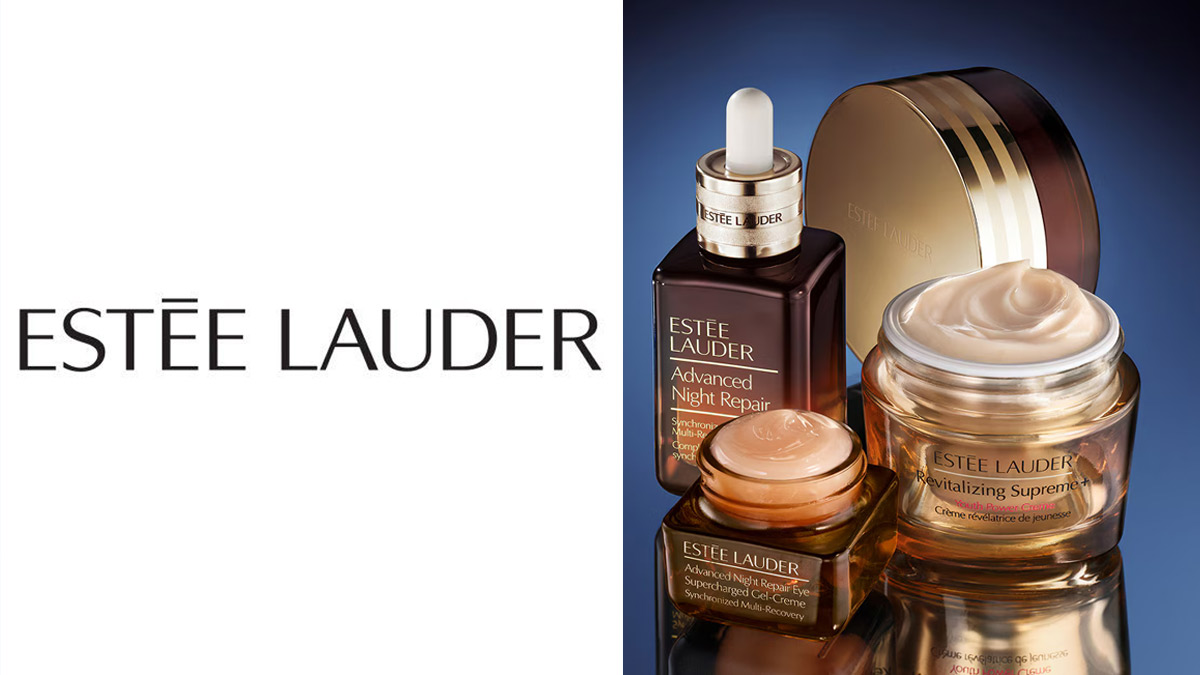
NEW YORK: Stéphane de La Faverie is not done cutting. Estée Lauder announced on Friday that it plans to eliminate as many as 3,000 additional jobs, taking its total redundancy programme to as many as 10,000 roles, up from a previous target of 7,000 announced a year ago. The company, which owns La Mer, The Ordinary, Tom Ford, and Aveda, employs roughly 57,000 people worldwide. The mathematics of what is now being contemplated is stark.
The fresh round of cuts is expected to generate a further $200 million in savings, bringing the total annual savings from the programme to as much as $1.2 billion before taxes. That money, De La Faverie has made clear, will be ploughed back into the turnaround.
A CEO in a hurry
De La Faverie, who took the helm in January 2025, inherited a company that had endured three consecutive years of annual sales declines. His response has been to move fast and cut deep. A significant portion of the latest redundancies reflects his push to reduce headcount at US department stores, long a cornerstone of Estée Lauder’s distribution model but now a channel in structural decline. In their place, he is accelerating the shift toward faster-growing online platforms, including Amazon.com and TikTok Shop, a pivot that is reshaping not just where Estée Lauder sells but how it thinks about its customers.
The numbers are moving in the right direction
Despite the pain, there are signs the medicine is working. Estée Lauder raised its profit outlook for the remainder of the fiscal year, guiding for adjusted earnings per share in the range of $2.35 to $2.45, above analyst estimates and a notable step up from the $2.05 to $2.25 range it had guided for in February. Organic net sales growth is expected to come in at 3 per cent, the company said, at the high end of the range it set out in February.
The share price tells a mixed story. After De La Faverie took charge, the stock surged nearly 60 per cent, buoyed by investor optimism that a longtime company insider could finally arrest the decline. But 2026 has been rougher: the shares have fallen 27 per cent this year, weighed down by disappointing February results and the overhang of unresolved merger talks with Spanish beauty giant Puig Brands SA. The company gave no additional details about those discussions on Friday, leaving the market to guess.
Silence on Puig
The proposed tie-up with Puig remains the most consequential unknown hanging over Estée Lauder. A deal with the Barcelona-based group, which owns brands including Carolina Herrera and Rabanne, would reshape the global luxury beauty landscape. But with nothing new to say and a turnaround still very much in progress, De La Faverie is asking investors to trust the process.
Three years of sales declines, 10,000 job cuts, and a merger that may or may not happen. At Estée Lauder, the overhaul has barely started.