MAM
“Brands don’t really push the LBTQIA conversation beyond a tokenistic approach”- Dot Media’s Danny Advani

June is Pride Month – a time when rainbows pop up across corporate India, from brand logos to Instagram grids. But behind the hashtags and the colourful symbolism, a tougher question lurks: is this genuine progress or just another seasonal PR parade?
Over the years, India Inc. has inched forward in recognising sexual diversity. But is it truly embracing the LGBTQIA+ community, or simply ticking the inclusion box for 30 days a year? To explore this, Indiantelevision.com turned to leaders in the advertising and marketing fraternity.
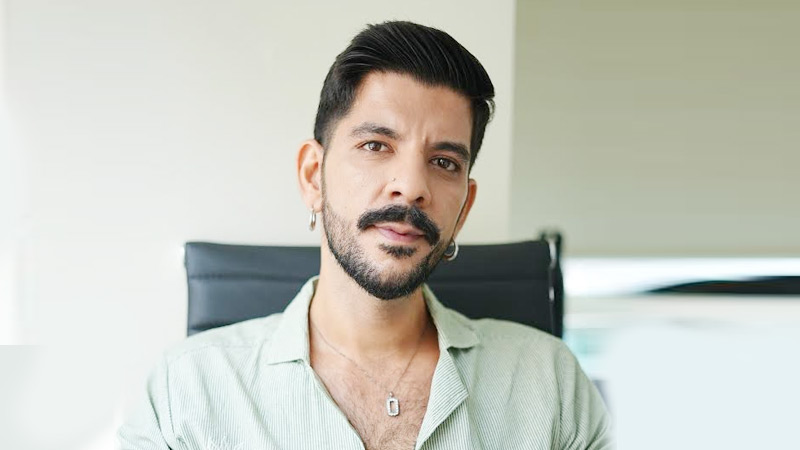
In the second part of our Executive Dossier series, Indiantelevision.com’s Rohin Ramesh had an email interaction with Danny Advani, head of business strategy at Dot Media. Previously, where Mihir’s take on Indian brands during Pride Month felt like a rainbow with a silver lining — cautiously optimistic, yet hopeful — Advani’s perspective is the thundercloud that follows. In a sharp contrast to the celebratory tone often seen in June, he lays it bare: we’ve barely scratched the surface. For him, the truth is uncomfortable — most brands are still dancing around the idea of inclusion, not walking the talk. His take sparks a necessary debate: are brands truly evolving, or are we still mistaking seasonal signaling for sustained support?
Advani isn’t buying into the optimism. His perspective acts as a stark counterpoint — a reminder that beyond the sparkle of Pride-themed campaigns, the reality remains largely cosmetic. For him, the issue isn’t that brands are doing too little during Pride Month; it’s that they’re doing so only during Pride Month.
The tension between these viewpoints opens up a much-needed dialogue: Is India’s brand ecosystem truly evolving in its understanding and representation of LGBTQIA+ identities, or are we still stuck in a cycle of rainbow-washing, safe tokenism, and corporate convenience?
Excerpts from the interaction follow.
On brands evolving from symbolic gestures during pride month to sustained representation in product design, hiring policies, partnerships and campaigns that sparked conversation vs those that felt like rainbow-washing.
In the Indian brand landscape, I personally haven’t come across any brand that really pushes the boundaries of the LBTQIA conversation beyond a tokenistic approach during the pride month? Where does the association disappear after June? Do we see more open conversations around them? Not yet! Are we ready as a country, not yet! Of course some brands are inclusive in conversations but is it an always on approach? Don’t think so!
On creative, PR, and digital agencies working to ensure LGBTQ+ stories are told authentically, with lived experience and not just layered filters.
My response remains the same above. But yes, there are agencies and organisations that do put in the effort for representation and create a safe space and welcoming environment for the community. Parmesh Sahani has been integral in doing this for Godrej now for years and I think we need more of these flag bearers to help open the archaic mindset of most organisations.
On Indian brands showing up for the queer community throughout the year, or only when it trends.
Let me switch my gay spotlight on and say ‘Oh honey, don’t even get me started”. Brands don’t care, most of them, they don’t care about Mothers Day, Fathers Day let alone pride. It is a trend that they ride the wave hoping they get to see the golden pot aka ROI across the rainbow.
But I must say, some brands have at least made some inclusions in their choices of talents being used, be it as a face for commercials, or product shoots but there seems to be some movement in the positive direction.
On the data about LGBTQ+ inclusion driving brand loyalty, especially among Gen Z and millennial consumers.
I am not even sure if there’s a substantial data pool in the Indian landscape, but globally brands like Levis, Skittles, etc have seen proof of success in being an inclusive brand. I remember reading a paper that says skittles saw an engagement spike of 20-25 per cent during their pride campaign and as per Nielsen research paper “LGBTQ+-inclusive ads saw 23 per cent higher brand recall among Gen Z, and were 2x more likely to lead to purchase intent”. Even Close Up as a brand in India has been inclusive in their campaigns in the past and not necessarily for Pride but even during Valentines.
On brands showing solidarity without falling into legal or cultural backlash traps, given the legal grey areas around same-sex marriage in India.
No one is asking any brand to endorse or fight for the rights of the community by showcasing any strong statements but just have the appetite to showcase and accept the community first for who they are and stop questioning their choices. I remember an incident when X used to be Twitter and a certain Top TIer Bank had rolled out a campaign and a service for same sex couples to have a joint holder account. But when my friend applied for it, she was denied and it became a Twitter War. Pinkwashing isn’t cool!
On the LGBT market being a big enough market in India to be targeted for products specially designed for them.
Can’t remember any digital film, television commercial that showcased anything outside a heteronormative lens. The Indian ecosystem is too fragile and lacks awareness of anything outside the biological gender to accept or even have a conversation that could be in the benefit of the community.
On the LGBT market being a big enough market in India to be targeted for products specially designed for them.
Take a page from the new age fashion brands and I ain’t talking about the e-commerce giants. Brands in the fashion space today are aware of the choices that the community needs so instead they are keeping it unisex. It’s not necessarily defined by biological gender but by the design and the collection that is inclusive for all.
On where the right attitude towards the LGBTQ+ community in an organisation truly begins — leadership, middle management, or peers.
Oh, the chicken and the egg question! Let’s be honest, it all has to work in tandem with each other. The management can set the groundwork and help create an environment that is inclusive, but the middle management and the peers are equally responsible for you to feel it’s a safe space to work. You cannot have your leadership valuing your contributions while your peers and middle management try to tear you apart with ignorant remarks or homophobic slurs. It seems like a lot to ask but you need the majority in an organisation doing the right to silence the wrong.