Connect with us

iWorld

Billions still offline despite mobile internet surge: GSMA

Published

on

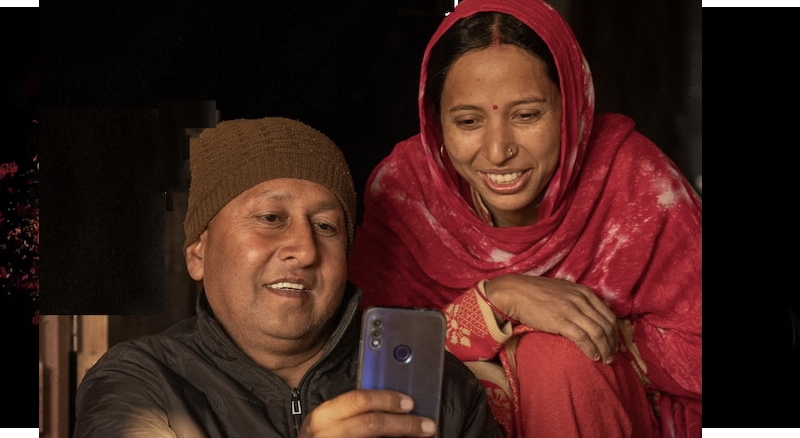
LONDON: The world is more connected than ever, yet the digital divide stubbornly persists. According to the GSMA’s State of Mobile Internet Connectivity 2025 report, some 4.7 billion people – 58 per cent of the global population – now use mobile internet on their own device, with another 710 million (9 per cent) getting online via shared phones. The leap in 2024, when 200 million joined the ranks of mobile internet users, was the fastest growth since 2021.

Still, that leaves 3.4 bIllion people offline. Just 4 per cent of the global population, around 300 million individuals, live in areas with no mobile coverage – the “coverage gap”. Far more troubling is the “usage gap”: 3.1 billion people, or 38 per cent of humanity, live under a signal but remain disconnected. The problem is not technology but barriers like high handset costs, poor digital literacy, low awareness of the internet’s uses, and patchy electricity supply.

The divide is starkest in low- and middle-income countries (LMICs), which account for 93 per cent of the unconnected. In these regions, adults in rural areas are 25 per cent less likely to be online than their urban counterparts, while women are 14 per cent less likely than men to use mobile internet. Sub-Saharan Africa lags furthest behind, with only one in four people online and a coverage gap of 10 per cent.

Advertisement

Affordability remains the single biggest brake. Entry-level internet-enabled handsets cost 16 per cent of monthly income in LMICs and nearly half the earnings of the poorest quintile. , GSMA director general Vivek Badrinath argues that a $30 handset could transform access for up to 1.6 billion people. To that end, the GSMA last year launched a Handset Affordability Coalition with backing from operators, device-makers, multilateral lenders and development agencies.

Connectivity infrastructure, meanwhile, has reached maturity in many markets. 4G networks now cover 93 per cent of the world’s population and 5G more than half, though 4G rollout is slowing as investment shifts to 5G. The real obstacle is adoption: most of the offline live within coverage zones but either lack a device or the ability to use it effectively. Two-thirds of the usage gap stems from people without a handset at all.

Even among those connected, “meaningful use” remains elusive. Many people restrict their mobile internet activity to a narrow band of services such as messaging or social media, barely scratching the surface of what digital access can offer in healthcare, education, commerce or banking.

Advertisement

The economic stakes are high. Closing the usage gap, the GSMA estimates, could unlock $3.5trn in additional global GDP by 2030. But that will require not only affordable handsets and cheaper data, but also policy action to address gender disparities, build digital skills, improve electricity access, and generate locally relevant content.

“Although the digital divide has been on the agenda for over a decade, the time has come for meaningful progress,” Badrinath said. “Infrastructure is no longer the main barrier. The challenge now is ensuring billions more can actually use it.”

Advertisement
Click to comment

Leave a Reply

Your email address will not be published. Required fields are marked *

iWorld

Diljit Dosanjh’s Dil-Luminati tour generates Rs 943 crore impact

EY report says 14 concerts across 13 cities sparked jobs, tourism and spending

Published

on

MUMBAI: What began as a music tour quickly turned into an economic crescendo. The India leg of Diljit Dosanjh’s Dil-Luminati tour has generated a measurable economic impact of nearly Rs 943 crore, according to a socio-economic impact report prepared by EY.

Spread across two months in late 2024, the tour travelled through 13 cities with 14 performances, drawing more than 3.2 lakh fans and selling out shows in roughly 10 minutes on average.

The concerts began in New Delhi on October 26 and wrapped up with a New Year’s Eve finale in Ludhiana, the singer’s hometown. In between, the Punjabi superstar turned stages across cities such as Mumbai, Bengaluru, Hyderabad, Kolkata and Guwahati into high-energy gatherings where music, fandom and travel blended into a nationwide spectacle.

Advertisement

According to the EY analysis, the tour generated Rs 276 crore in direct revenue for organisers through ticket sales, sponsorships and food and beverage spending at venues. Indirect spending by fans pushed the economic ripple effect even further, contributing an estimated Rs 553 crore through travel, accommodation, tourism and shopping.

Government revenues added another Rs 114 crore, including Rs 111 crore in GST and around Rs 2.5 crore in local permissions and fees.

Ticket sales were the main driver, accounting for about 80 per cent of direct revenue, with prices ranging from Rs 2,499 for silver tickets to as much as Rs 60,000 for premium lounge access. The gold category emerged as the most popular, generating more than half of the ticketing revenue.

Advertisement

The concerts were not just local gatherings. Nearly 38 per cent of attendees travelled from other cities to catch the shows, turning the tour into a travel magnet. Many extended their trips by two to three days, boosting hotel stays, dining and tourism activities in host cities.

Air and rail travel together accounted for around 70 per cent of inter-city travel costs linked to the concerts, while nearly half of travelling fans stayed with friends or family.

Cities hosting the tour also saw noticeable spikes in travel bookings. Flight bookings to Chandigarh, for instance, rose by about 300 per cent year on year around the concert dates, while cities such as Delhi, Ahmedabad and Indore saw booking growth of roughly 100 per cent.

Advertisement

Beyond the stage lights and thumping speakers, the tour also created a significant employment surge. The report estimates that more than 118,000 man-days of work were generated, including about 69,000 direct man-days and over 48,000 indirect man-days across sectors such as security, logistics, hospitality and technical production.

Security, safety and crowd management alone accounted for roughly half of the direct employment created during the concerts, reflecting the scale of operations required to stage such large events.

More than 15 brands partnered with the tour, turning concerts into a playground for creative marketing. From themed merchandise drops to experiential campaigns and exclusive ticket access deals, companies tapped into the singer’s massive fan base to amplify their reach.

Advertisement

The official ticketing platform recorded over 62.5 lakh visitors during the sales window and processed more than 1.2 lakh ticket orders, underscoring the intense demand for live events anchored by home-grown artists.

The tour also doubled as a cultural roadshow. At each stop, Dosanjh embraced local traditions, sampled regional cuisine and showcased India’s diversity through his social media posts and stage interactions, turning concert stops into mini travel diaries.

For the wider entertainment industry, the Dil-Luminati tour is being seen as a marker of how large-scale live concerts can drive economic activity well beyond the stage. The report suggests that India’s live music sector could grow rapidly in the coming years as demand for large events continues to surge.

Advertisement

In other words, the Dil-Luminati tour did more than fill stadiums. It moved crowds, boosted city economies and showed that when live music hits the right note, the ripple travels far beyond the final encore.

Continue Reading

Advertisement News18
Advertisement All three Media
Advertisement Whtasapp
Advertisement Year Enders

Copyright © 2026 Indian Television Dot Com PVT LTD

This will close in 10 seconds

×