Brands
Dentsu cracks the code: three human truths that will define marketing in 2026

MUMBAI: In an era where artificial intelligence orchestrates our every click, the most valuable marketing insights remain decidedly human. Dentsu’s latest media trends report strips away the algorithmic complexity to reveal three enduring behaviours that will separate winners from also-rans in 2026: our craving for simplicity, our need to connect, and our dwindling attention spans.
The sixteenth edition of Human Truths in the Algorithmic Era arrives as brands grapple with seismic shifts—conversational search engines that blur the line between query and oracle, agentic AI that promises to shop on our behalf, and cultural formats from Japanese anime to Chinese microdramas rewrite entertainment rule books.
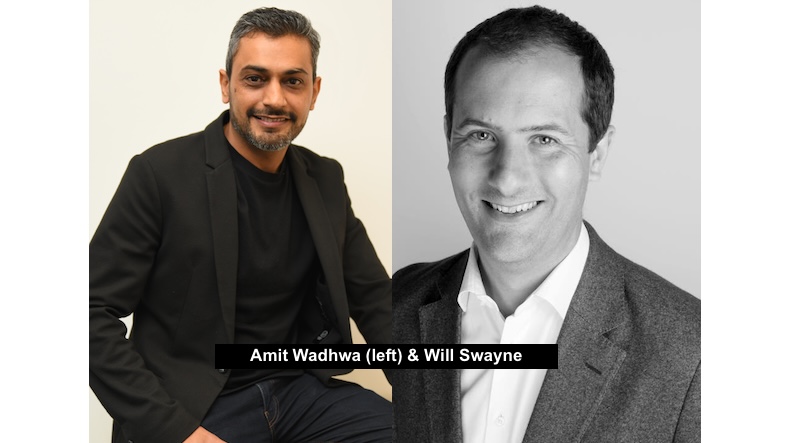
“Just a few years ago, the media landscape seemed dominated by a handful of platforms,” said dentsu global practice president of media and integrated solutions Will Swayne. “By 2026, the foundations may crack even further. Brands must focus on what remains stable over time by rooting their strategic thinking in core, invariable human behaviours.”
The first truth—we are simple until we are complex—captures how consumers chase convenience but rebel against algorithmic predictability. Nobody enjoys searching for parking spots or wading through bloated recipe blogs. Yet the Labubu plush toy frenzy proves the thrill of the chase still matters.
Dentsu identifies search experience optimisation as the new battleground, encompassing everything from large language model optimisation to retail search. As zero-click searches proliferate, brands must ensure content appears everywhere consumers look—whether that’s ChatGPT, TikTok or Amazon.
The report warns against “agent inflation”—rushing to deploy AI agents without strategy. With 80 per cent of chief marketing officers citing generative AI as a priority investment, dentsu urges building context-aware systems with governance safeguards, not chatbots slapped together for boardroom optics.
Then there’s the friction paradox. Whilst Amazon rolls out instant-scan shopping and same-day perishable delivery, cult brands like Knitwrth announce collection drops weeks in advance with strict no-returns policies. Trader Joe’s refuses online ordering entirely. Strategic friction, dentsu argues, can spark desire and build community—if wielded deliberately.
The second truth—we are social animals—explores how influence has decentralised. Nearly half of American adults regularly spend time with friends, and 83 per cent of consumers believe brands should facilitate human connections, not just transactions.
Reddit threads now rival mainstream media for product reviews. Substack recently surpassed The Wall Street Journal in traffic. Dentsu’s research shows promotional content from creators holds attention longer and drives greater consideration than brand ads—but only when creators retain control.
The report urges brands to invest in diverse smaller creators with authentic ties rather than chasing mega-influencers. Twice as many people engage most with influencers under one million followers than with mega-influencers. Gen Z favour Twitch and Discord; boomers prefer LinkedIn and Facebook.
Live experiences remain unmatched for forging shared memories. Streaming platforms are acquiring sports rights and launching original live programming—WWE’s Raw has ranked in Netflix’s global top 10 every week in 2025. Meanwhile, Millennial nostalgia is peaking: Oasis tours, Buffy reboots, and The Devil Wears Prada sequels are minting money in 2026.
Business messaging is finally monetising at scale. WhatsApp, WeChat and Messenger each boast over one billion monthly users, with WhatsApp reportedly opened 891 times monthly versus TikTok’s 359. New ad placements are emerging, but the real opportunity lies in unified commerce and customer experience through persistent conversations.
The third truth—we don’t read advertising—acknowledges that nobody ever has. Howard Luck Gossage nailed it decades ago: “People read what interests them; and sometimes it’s an ad.”
With exploding screen time and AI slop drowning feeds, advertisers are collectively spending more to reach fewer people. Dentsu’s answer: play the quality game, not the saturation game.
AI-generated audiences offer a way forward. These synthetic consumer profiles simulate real-world attitudes and behaviours, providing immediate creative feedback and reducing research costs. Dentsu’s Generative Audiences capability combines ID-based precision with AI-driven scale, enabling brands to engage known customers accurately whilst connecting with new audiences as interests shift.
Carat’s Brand Reset research—the world’s largest attention study on video’s long-term impact, spanning 40,000 people and ten NextGen video platforms—reveals that connected television now delivers outcomes comparable to broadcast. A single CTV exposure lifts long-term sales by 3.16 per cent over three years, approaching broadcast television’s 3.61 per cent. Even short-form vertical video in fast-scroll environments can lift sales by 6.62 per cent with proper attention.
Entertainment presents untapped white space. Sports docuseries reach 40 per cent of global consumers monthly, capturing women, Gen Z and emerging markets where traditional sports lag. Gaming still captures less than five per cent of global media investment despite massive user bases. And 50 per cent of Gen Z watch anime at least weekly—more than any major sports league in the United States.
dentsu creative and media brands in South Asia chief executive Amit Wadhwa frames the challenge starkly: “In a world ruled by algorithms, human truths remain our compass. Technology opens doors, but empathy, creativity and understanding people will determine who truly wins.”
The report, developed by 30 global media experts, positions media not as a channel but as a growth engine connecting creativity, commerce and culture. Brands that anchor strategy in enduring human truths whilst embracing new formats—from agentic AI to microdramas—can move beyond mere survival.
Because in 2026, as algorithms reshape everything from search to shopping to storytelling, the brands that win won’t be those with the most agents or the biggest ad budgets. They’ll be the ones that remember we’re still human—simple when we can be, social when we need to be, and utterly unmoved by advertising that forgets what interests us.