Brands
World’s top 50 luxury brands lose over $7 bn in value this year: Report

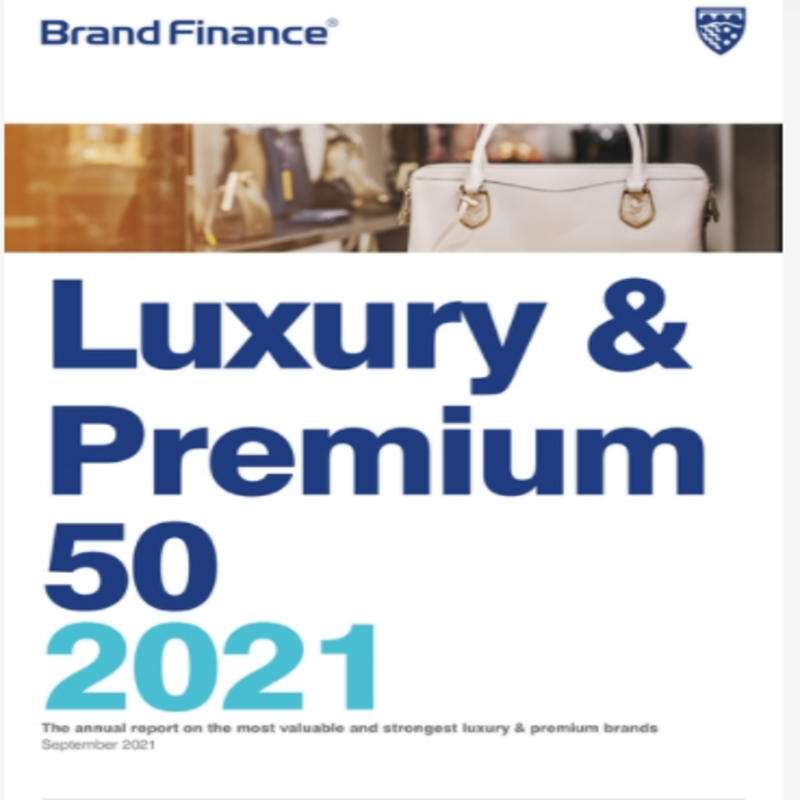
Mumbai: The total value of the world’s top 50 most valuable luxury and premium brands has declined by five per cent year-on-year, according to the Brand Finance Luxury & Premium 50 2021 report. As the world grapples with the fallout from the Covid-19 pandemic, these brands witnessed a downturn from $227.1 billion in 2020 to $219.5 billion in 2021, it said.
Apparel brands dominated the ranking, with 30 brands featuring and accounting for 62 per cent of total brand value, but brand values suffered, nevertheless, due to Covid-19. German auto giant Porsche retained the top spot with a brand value of $34.3 billion, considerably ahead of second-ranked Gucci (brand value down 12 per cent).
French leather luxury goods brand Celine bucked the trend to emerge as the fastest growing brand, up by an impressive 118 per cent, according to the report. Despite the pandemic’s impact on travel and tourism industry, two hotels managed to check into the ranking for the first time, with Shangri-La in 29th and Intercontinental in 35th position in the report.
American luxury design house Coach, specialising in handbags, luggage, accessories, and ready-to-wear has recorded the biggest drop in brand value this year in the apparel subsector, falling 31 per cent to $4.7 billion. While performances across the board have been impacted by the pandemic, with the majority of brands recording a brand value loss this year, the brand’s sales and profits have taken a hit over the previous year. Coach’s parent company, Tapestry, has however, cited that forecasts across its brands are looking more positive than anticipated thanks to triple-digit e-commerce growth and a strong rebound across the Chinese market.
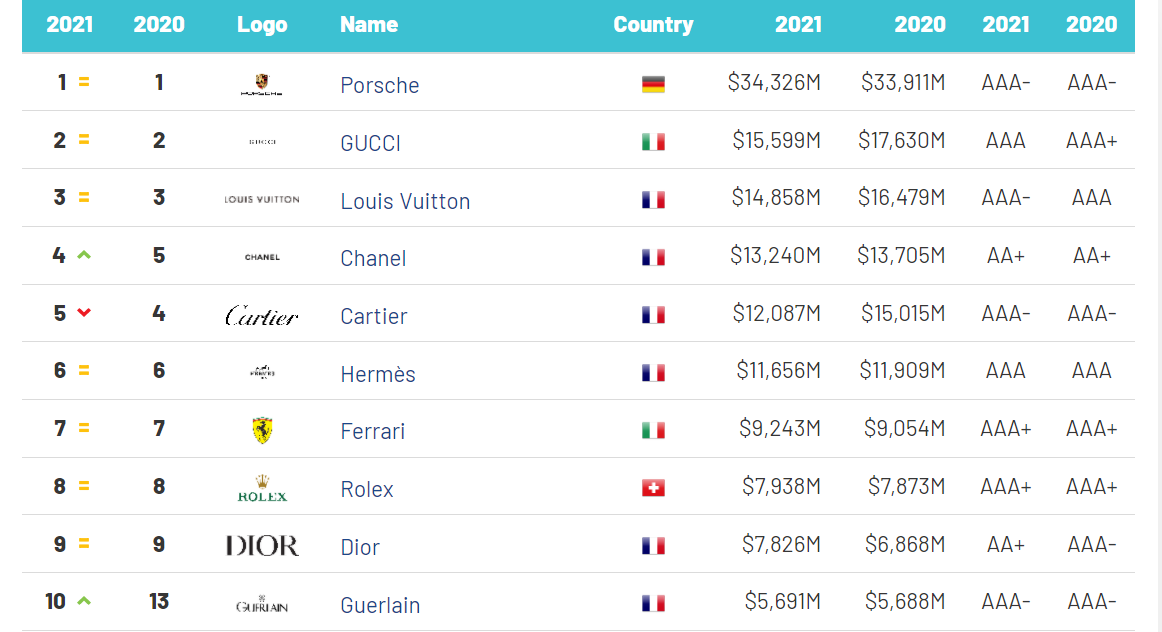 In addition to measuring the overall brand value, the report also evaluates the relative strength of brands, based on factors such as marketing investment, customer familiarity, staff satisfaction, and corporate reputation. According to these criteria, Ferrari (up 2 per cent to $9.2 billion) is the world’s strongest luxury & premium brand – and the second strongest brand in the world. The auto-maker reacted proactively to the pandemic, initially shutting down production and then reopening with a focus on creating a safe working environment. This both minimised disruption and reinforced the brand’s reputation as a high-quality and responsible firm, as per the report.
Sitting behind Ferrari as the second strongest luxury & premium brand is Rolex, up by one per cent to $7.9 billion. Despite the challenges of the last year, the market for luxury watches has shown remarkable resilience to the pandemic turmoil, with demand remaining stable, demonstrated by Rolex’s website traffic experiencing a surge over the previous year.
“As predicted, the Covid-19 pandemic has damaged brand values across the luxury & premium sector with the total brand value of the world’s top 50 most valuable down five per cent year-on-year,” says Brand Finance valuation director Alex Haigh.
It is not all doom and gloom though, he notes, adding that the pandemic can be used as a catalyst for change across the industry, through growing e-commerce channels or through brands’ responses to the increased consumer demand for social and sustainable action.
German automaker Porsche, for instance, is striving towards pushing the boundaries and redefining the future of the sportscar. As part of the brand’s ‘Strategy 2025’, the auto giant aims to maintain the traditional aspects that the brand is known for, as well as undertaking the shift towards sustainability through the launch of the Taycan. Porsche celebrated strong sales of the Taycan, which totalled over 20,000 units sold last year, despite a six-week pause in production due to the pandemic. This impressive result means that over 10 per cent of Porsche’s sales are now from its EV models.
As holidays are cancelled and people are instructed to work from home, the hospitality industry has reached an almost complete standstill both from tourism, as well as corporate travel and hotel brand values, have suffered as a result. Home to five-star luxury properties with elite postcodes and addresses across the Middle East, Asia, North America, and Europe, Shangri-La – despite the challenges – is the highest-ranked hotel brand in 29th position. The hotel recorded an encouraging recovery across mainland China over the last year with demand being supported by an uptick in domestic leisure travel.