MAM
Generative AI and the future of brand storytelling


Mumbai : Brand storytelling is a powerful tool leveraged by marketers to communicate their brand’s values, identity, history and purpose. Marketers see GAI as a productivity booster in brand storytelling, enabling one-to-one personalised experiences and dynamic messaging. According to a SAP report, 48 per cent of companies leverage generative artificial intelligence (GAI) for their marketing and sales content. This illustrates the importance of GAI in enhancing marketing strategies and consumer engagement, improving customer experience, loyalty, and firm performance.
GAI has the potential to create content at scale and even real-time, helping brands maintain a consistent and dynamic presence on multiple platforms. These tools often are easy to use especially by users belonging to a non-technical background. Large brands like Vistara, Zomato, Coca cola, BMW etc. have employed AI in the creation of ads for various marketing channels like billboards, social media and events. Companies like Netflix and Amazon are leveraging GAI to curate personalised recommendations and experiences, effectively turning each customer interaction into a unique storytelling opportunity.
By analysing engagement patterns with AI-generated content, brands can also gain deeper insights into customer preferences and behaviours, further refining their storytelling strategies. Also, the scale at which content is generated, brands can rapidly experiment with different storytelling approaches and monitor their effectiveness to select the best suited story. GAI is also being used in engaging customer experiences at events, experience centres and museums. Museum of Modern Art (MoMA), New York uses AI to enhance their visitor experience by analysing visitor behaviour and experiences. BMW teamed up with an agency to project AI content on their BMW 8 series Gran Coupe. The algorithm was fed with 50,000 images and artwork spanning 900 years.

Some researchers believe that there is a need for more empirical studies to quantify the benefits of GAI in storytelling. The research should focus on measuring the impact of GAI on key marketing metrics such as customer engagement, conversion rates, and campaign effectiveness. These studies will also initiate the development of best practices for implementing GAI in marketing.
While more small to medium companies are enthusiastic about adopting GAI there are a few barriers to the absolute adoption of GAI.
● Cost – The enterprise version of most GAI services charge monthly or annually which can be a hindrance for small companies in developing countries.
● Data privacy – Employing GAI on large scale projects collects proportionally large amounts of consumer data, raising privacy concerns and regulatory challenges.
● Lack of skilled workforce – Since it is a fairly new field of work, there is a dearth of skilled professionals in AI and data science who can develop and manage GAI systems.
● Quality control – Images especially videos generated by AI can be unpredictable as there is a lack of quality control on visual content. Often correcting mistakes made by AI in images and videos can take more time than creating them from scratch.
Although, GAI is great to enhance the creative process for creators and designers, potentially streamlining brainstorming and simplifying development stages. IT cannot entirely replace the need for human generated content. AI on its own is not good enough to develop the entire brand story. It is only a tool that requires more experimentation and study on its effectiveness. As the technology evolves, it is certain that newer innovative ways of leveraging it will develop.
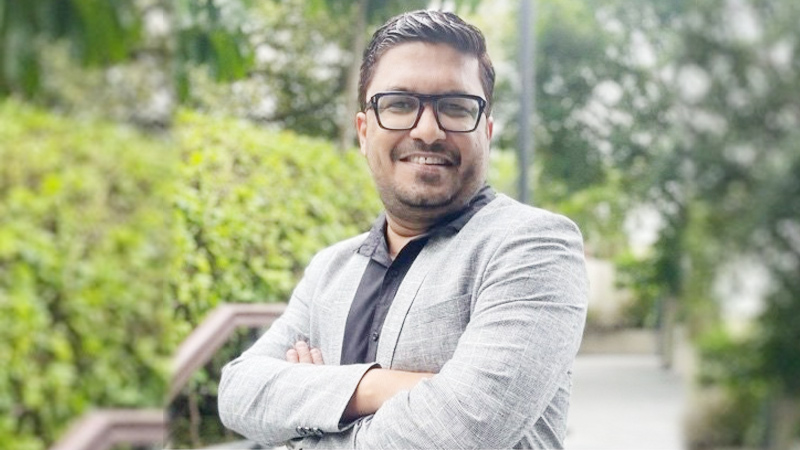
The article has been authored by Tagglabs founder Hariom Seth.



Brands
Samsung India elevates Aditya Babbar to lead mobile business
Exec takes charge of MX sales and marketing after Raju Pullan’s exit
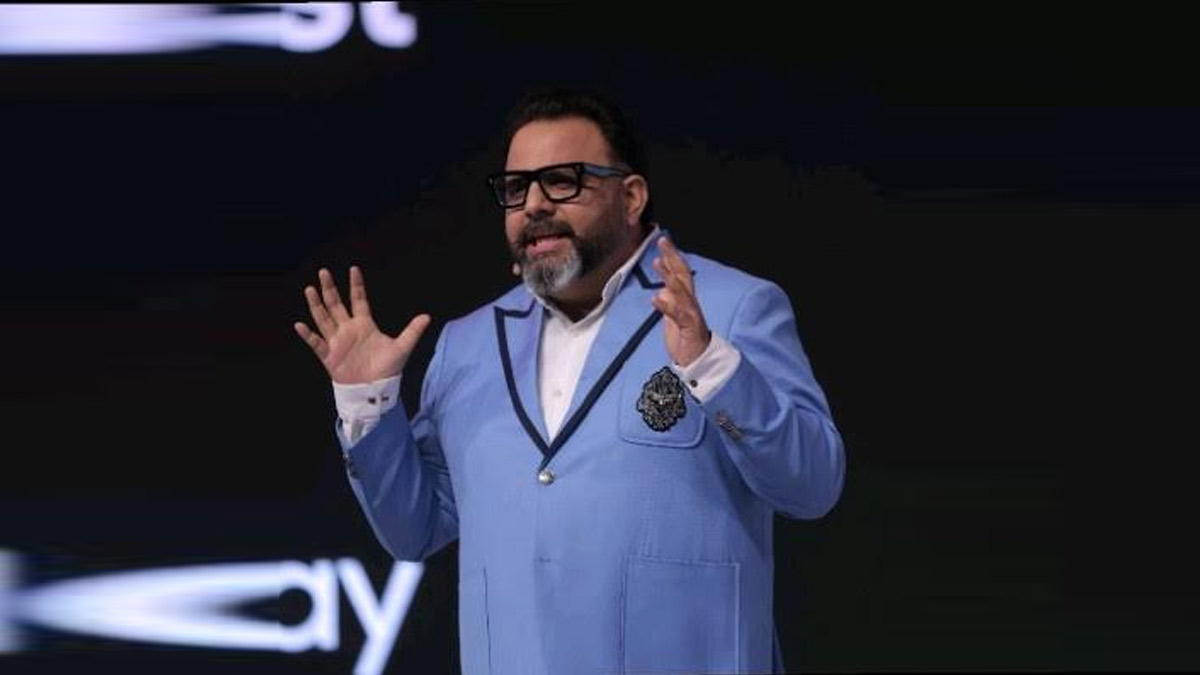
NEW DELHI: Samsung India has elevated Aditya Babbar to lead its mobile phone business, following the exit of Raju Antony Pullan.
Babbar, who previously served as vice president within the mobile division, has been appointed head of sales and marketing for the MX (mobile experience) business, effective May 1. In his new role, he will oversee the company’s sales and marketing operations for smartphones and related categories in India, reporting to the executive vice president of the MX business.
A long-time Samsung executive, Babbar brings over a decade of experience within the organisation, having held multiple leadership roles across product, marketing and category management. Most recently, he led product marketing and e-commerce for the mobile division, following earlier stints as head of product and marketing and senior director roles.
His career within Samsung Electronics and its India operations has also included responsibilities for flagship devices, tablets and wearables, giving him a broad view of the company’s premium and mass-market portfolio.
Babbar succeeds Pullan, who stepped down from the role, marking a leadership transition at a time when India remains a key battleground for global smartphone makers.
The appointment signals continuity within Samsung’s leadership bench, with an internal candidate stepping up to steer one of its most critical business units in a highly competitive market.