MAM
FlexC appoints Anantha Krishnan as chief talent solutions officer

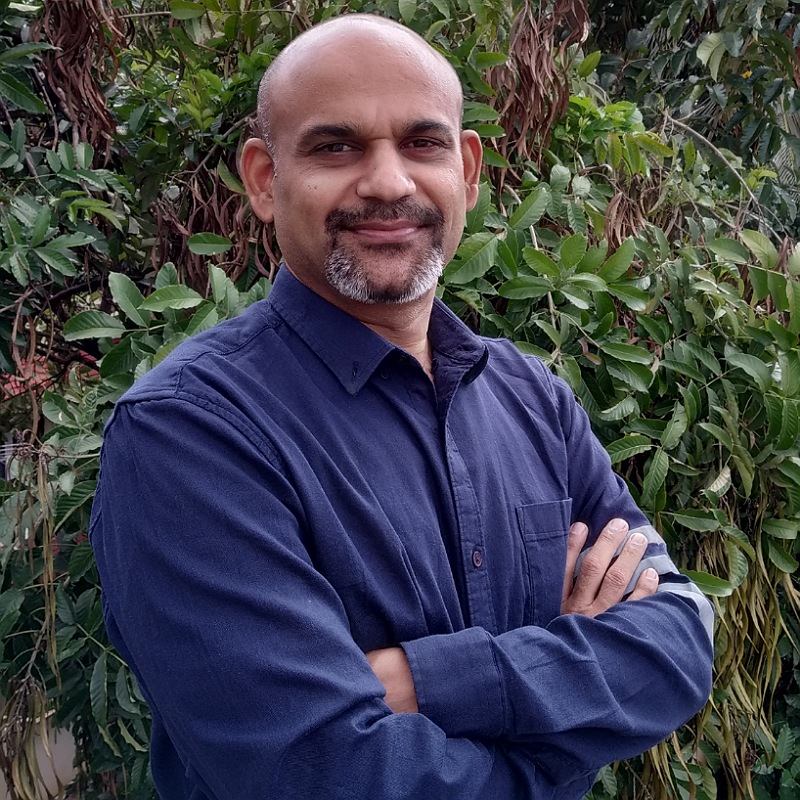
Mumbai: AI-Powered talent marketplace FlexC has appointed Anantha Krishnan as its new chief talent solutions officer. In this role, he will be looking after talent solutions and end-to-end mobilising of resources.
Previously, Krishnan was associated with Larsen & Toubro Infotech (LTI) as an associate director, where he was leading the people supply chain (PSC) with various business and technology units. He has more than two decades of rich and versatile experience in operating talent solutions, having worked with companies like Samsung and Deccanet.
During his stint in LTI, Krishnan also took up the additional role of revenue partner for the consumer, media & entertainment and technology vertical, contributing to threefold revenue growth of the unit in a span of about three years, said the company in a statement.

Before this, he led the product of Integrated Automated Test Engine for Samsung’s Soft switch lab and launched the verification utility for SKT (South Korea Telecom) network.
Commenting on the new leadership, FlexC founder and CEO Girsh Kukreja said, “Anantha’s People Supply Chain prowess, Talent Solutions experience , product engineering background and operating at scale will accelerate FlexC’s talent supply and process to be client’s partner of choice . Going further, the talent fulfillment quality and expanding Recruiters network will continue to fortify FlexC’s ability to capitalise on the remarkable market opportunity right up-front.”
In his long-spanning career, he also played the role of defect analyst and led the vendor management team for Google and Ericsson platforms for Sony Ericsson Mobile Communication in Japan.
“I am excited to be part of the core team at FlexC. The start-up has built an AI-Driven Talent Marketplace that allows companies to access, engage and manage hybrid workforce efficiently, at a fractional cost from anywhere in the world. I am thrilled to be a part of the organisation and look forward to disrupting the talent marketplace in India,” Krishnan said on his appointment.






Brands
Trump announces $300bn Texas oil refinery with Reliance, calls it the biggest in US history
First new US refinery in 50 years planned at Brownsville port with Reliance

WASHINGTON: The United States may soon see the first brand-new oil refinery built on its soil in half a century.
Donald Trump announced a proposed $300 billion refinery project in Texas, calling it a landmark moment for American energy production and jobs.
Posting on Truth Social on 10 March, Trump said the facility would be built at the Port of Brownsville and developed by a company called America First Refining, with major investment from India’s Reliance Industries.
The announcement frames the project as a centrepiece of the administration’s push for “energy dominance”, with Trump claiming it would deliver thousands of jobs and billions of dollars in economic activity to South Texas.
If realised, the plant would mark the first all-new major refinery constructed in the United States since the 1970s. In recent decades, oil companies have largely chosen to expand existing facilities rather than build new ones, citing high costs, regulatory hurdles and environmental scrutiny.
Trump described the proposed investment as the “biggest in US history”, positioning it as proof that policy changes such as streamlined permits and lower taxes are drawing large-scale energy investments back into the country.
The refinery is planned for the Port of Brownsville, a strategic Gulf Coast location that provides easy access to shipping routes and export markets.
A key partner in the project is Reliance Industries, controlled by billionaire industrialist Mukesh Ambani. The company already runs the world’s largest refining complex in Jamnagar, India, making it one of the most experienced operators in large-scale petroleum processing.
The Texas venture would mark a significant step for the group into America’s domestic refining sector, potentially strengthening industrial ties between the US and India.
The proposed refinery is being promoted as a next-generation facility capable of processing American shale oil while maintaining high environmental standards. Trump said it would be “the cleanest refinery in the world”, although the specific technologies behind that claim have not yet been detailed.
Industry observers also note that the $300 billion figure is unusually large for a refinery project, and analysts are waiting for more clarity on whether the number reflects total construction costs, long-term infrastructure investment, or broader economic impact estimates.
As of 11 March, Reliance Industries had not publicly confirmed the investment size or the structure of its involvement.
For now, the announcement has sparked equal parts excitement and curiosity in energy markets. If the plan moves from promise to pouring concrete, the refinery could reshape the Gulf Coast energy landscape, and reopen a chapter in American refining that has been quiet for nearly fifty years.