MAM
Panasonic India names Fumiyasu Fujimori as divisional director, consumer sales

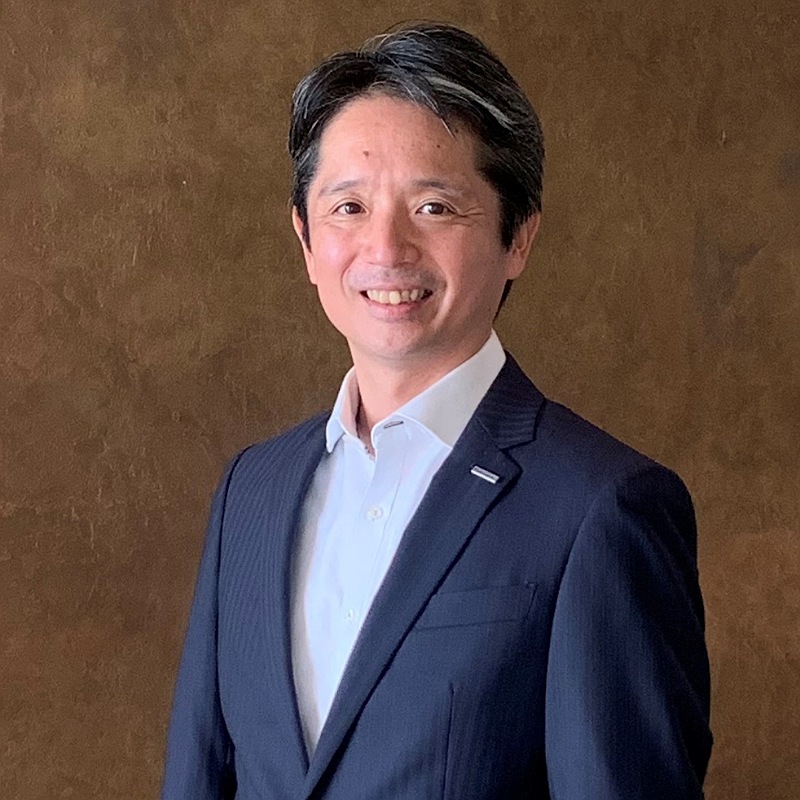
Mumbai: Tech major Panasonic India on Monday announced the appointment of Fumiyasu Fujimori as divisional director, consumer sales division. He will be based out of Panasonic India headquarters in Gurgaon.
Fujimori joined the company in 1995 in Osaka, Japan. In his career spanning 26 years, he has worked in various international markets such as China, Singapore and Thailand overseeing strategy planning, business development, and marketing communications across business divisions of Panasonic.
In his previous role, Fujimori was based in Japan, where he was leading the global marketing efforts for Panasonic’s Imaging Business Unit (Lumix, digital cameras).

“It is an important time for Panasonic India as we strengthen our presence across consumer appliances and smart living solutions in India,” said Panasonic India CEO Manish Sharma. “Fujimori’s rich experience of working with Panasonic across many markets will certainly contribute to the growth of our business here in India.”
“My first stint here was in 2009 as part of the audio team, where I got an opportunity to gain market experience. I believe, this is a high-potential market that offers significant growth opportunities and as I resume my new role here I am looking forward to leveraging this potential through strategic interventions and providing Indian consumers with a value proposition,” stated Fumiyasu Fujimori on his new role.




Brands
Samsung India elevates Aditya Babbar to lead mobile business
Exec takes charge of MX sales and marketing after Raju Pullan’s exit

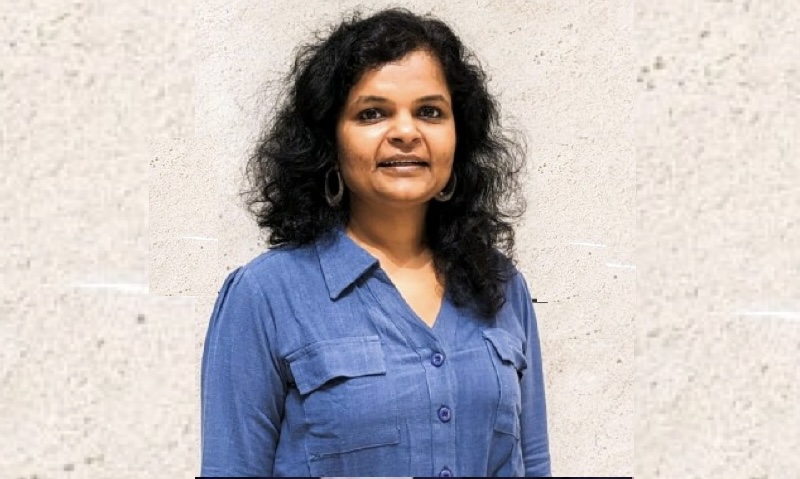
NEW DELHI: Samsung India has elevated Aditya Babbar to lead its mobile phone business, following the exit of Raju Antony Pullan.
Babbar, who previously served as vice president within the mobile division, has been appointed head of sales and marketing for the MX (mobile experience) business, effective May 1. In his new role, he will oversee the company’s sales and marketing operations for smartphones and related categories in India, reporting to the executive vice president of the MX business.
A long-time Samsung executive, Babbar brings over a decade of experience within the organisation, having held multiple leadership roles across product, marketing and category management. Most recently, he led product marketing and e-commerce for the mobile division, following earlier stints as head of product and marketing and senior director roles.
His career within Samsung Electronics and its India operations has also included responsibilities for flagship devices, tablets and wearables, giving him a broad view of the company’s premium and mass-market portfolio.
Babbar succeeds Pullan, who stepped down from the role, marking a leadership transition at a time when India remains a key battleground for global smartphone makers.
The appointment signals continuity within Samsung’s leadership bench, with an internal candidate stepping up to steer one of its most critical business units in a highly competitive market.