Brands
DMart’s Q3 shows 17.7 per cent uptick in revenue growth; Profits struggle

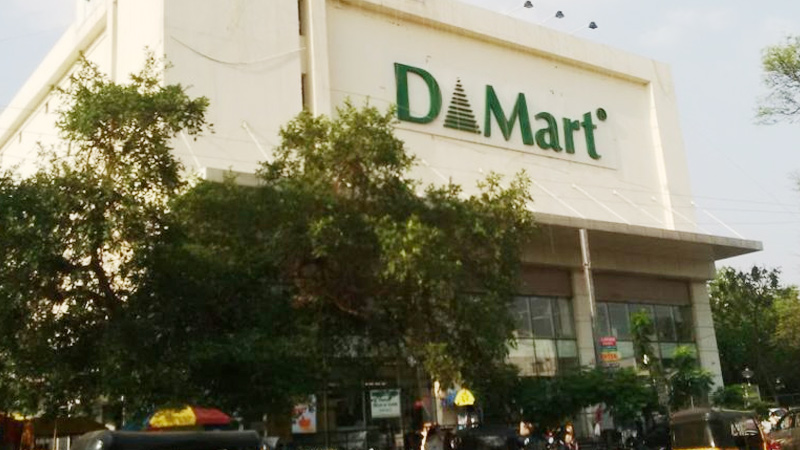
MUMBAI: In a bustling FMCG retail landscape, where affordability meets aspiration, DMart emerges as the champion for value-conscious shoppers. Much like a modern-day Spiderman swinging through a web of rising costs and fierce competition, DMart’s Q3 FY25 results reveal its unwavering commitment to delivering affordability.
The results, unveiled on 11 January 2025, showcase a robust revenue growth trajectory, driven by the brand’s steadfast focus on cost-effective retailing and operational efficiency.
Yet, beneath the surface of this success lies a battle with tightening profit margins—a challenge that highlights the resilience and strategic adaptability of this retail giant in an increasingly competitive arena.

As DMart continues to redefine FMCG retail with its unbeatable value-for-money offerings, the Q3 results provide a lens into how it balances growth aspirations with the pressures of a rapidly evolving market.
This is the story of a retailer that, much like a superhero, delivers hope to neighbourhoods while navigating the complexities of its mission.
DMart’s consolidated revenue from operations climbed to Rs 15,972.55 crore in Q3 FY25, marking a 17.7 per cent increase compared to Rs 13,572.47 crore in Q3 FY24. For the nine months ending 31 December 2024, revenue surged by 16.9 per cent, reaching Rs 44,486.19 crore compared to Rs 38,062.28 crore during the same period last year. This growth was driven by a combination of new store openings and robust demand in core categories.
However, other income declined to Rs 24.14 crore in Q3 FY25 from Rs 32.92 crore in Q3 FY24, suggesting subdued performance in ancillary revenue streams.
Despite the revenue upswing, DMart’s consolidated net profit for Q3 FY25 fell to Rs 723.54 crore, a 4.9 per cent decrease from Rs 759.44 crore in Q3 FY24.
The nine-month net profit stood at Rs 2,156.66 crore, reflecting a marginal growth of 0.4 per cent from Rs 2,147.12 crore during the same period last year.
Margins remained under strain, with the EBITDA margin compressing due to higher costs in employee benefits (up by 30.1 per cent YoY to Rs 304.83 crore) and depreciation (up 20.4 per cent YoY to Rs 228.12 crore).
DMart’s purchase of stock-in-trade for Q3 FY25 escalated to Rs 13,376.72 crore, an 18 per cent rise from Rs 11,330.93 crore in Q3 FY24, aligning with its expansion strategy. However, changes in inventory of stock-in-trade presented a marginal increase, indicating effective inventory control amidst fluctuating demand.
The company also reported a contingent liability of Rs 235.98 crore under the Goods and Service Tax Act, reflecting ongoing regulatory challenges.
DMart’s robust revenue trajectory signals strength in its core retail operations. However, declining profit margins highlight the need for cost optimisation and operational efficiency. The company’s cautious approach to expansion and investment in digital initiatives will be crucial in navigating market challenges and enhancing shareholder value.


Brands
Estée Lauder to shed 10,000 jobs as new boss bets on digital shift
The cosmetics giant raises its profit outlook but stays silent on a possible merger with Spain’s Puig, as job cuts deepen and a three-year sales slump weighs on the turnaround
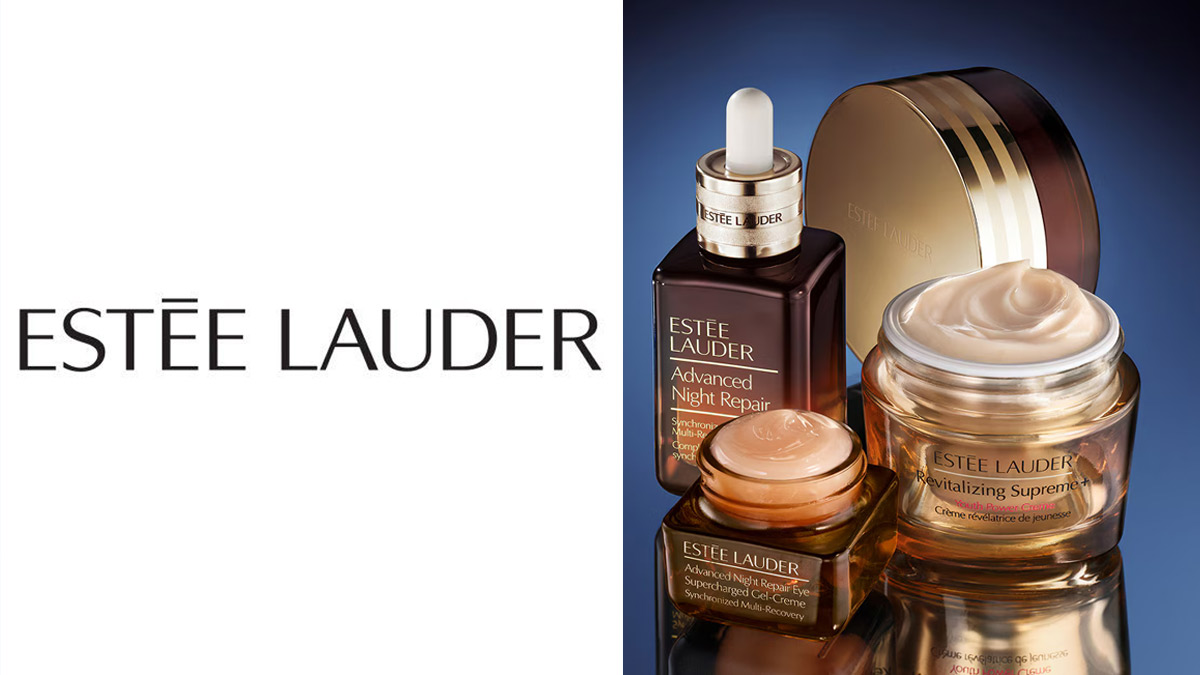
NEW YORK: Stéphane de La Faverie is not done cutting. Estée Lauder announced on Friday that it plans to eliminate as many as 3,000 additional jobs, taking its total redundancy programme to as many as 10,000 roles, up from a previous target of 7,000 announced a year ago. The company, which owns La Mer, The Ordinary, Tom Ford, and Aveda, employs roughly 57,000 people worldwide. The mathematics of what is now being contemplated is stark.
The fresh round of cuts is expected to generate a further $200 million in savings, bringing the total annual savings from the programme to as much as $1.2 billion before taxes. That money, De La Faverie has made clear, will be ploughed back into the turnaround.
A CEO in a hurry
De La Faverie, who took the helm in January 2025, inherited a company that had endured three consecutive years of annual sales declines. His response has been to move fast and cut deep. A significant portion of the latest redundancies reflects his push to reduce headcount at US department stores, long a cornerstone of Estée Lauder’s distribution model but now a channel in structural decline. In their place, he is accelerating the shift toward faster-growing online platforms, including Amazon.com and TikTok Shop, a pivot that is reshaping not just where Estée Lauder sells but how it thinks about its customers.
The numbers are moving in the right direction
Despite the pain, there are signs the medicine is working. Estée Lauder raised its profit outlook for the remainder of the fiscal year, guiding for adjusted earnings per share in the range of $2.35 to $2.45, above analyst estimates and a notable step up from the $2.05 to $2.25 range it had guided for in February. Organic net sales growth is expected to come in at 3 per cent, the company said, at the high end of the range it set out in February.
The share price tells a mixed story. After De La Faverie took charge, the stock surged nearly 60 per cent, buoyed by investor optimism that a longtime company insider could finally arrest the decline. But 2026 has been rougher: the shares have fallen 27 per cent this year, weighed down by disappointing February results and the overhang of unresolved merger talks with Spanish beauty giant Puig Brands SA. The company gave no additional details about those discussions on Friday, leaving the market to guess.
Silence on Puig
The proposed tie-up with Puig remains the most consequential unknown hanging over Estée Lauder. A deal with the Barcelona-based group, which owns brands including Carolina Herrera and Rabanne, would reshape the global luxury beauty landscape. But with nothing new to say and a turnaround still very much in progress, De La Faverie is asking investors to trust the process.
Three years of sales declines, 10,000 job cuts, and a merger that may or may not happen. At Estée Lauder, the overhaul has barely started.