MAM
Wow appoints Nikita Jaswaney as head of innovation


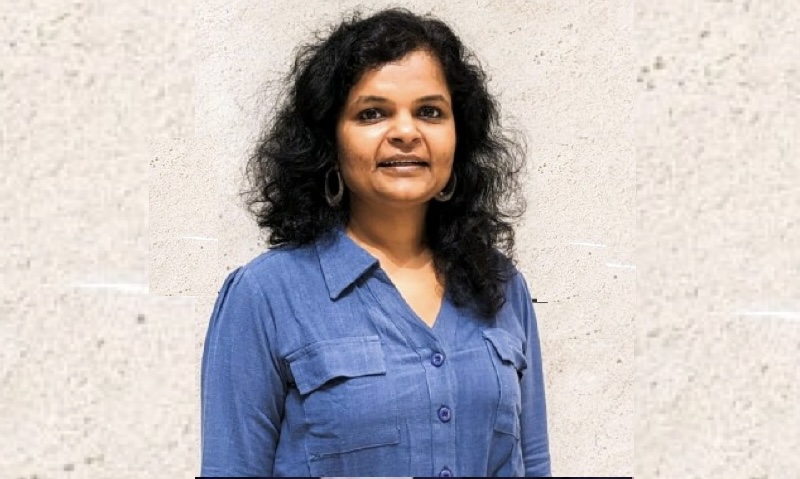
Mumbai: Personal care brand Wow Skin Science has announced the appointment of Nikita Jaswaney as head of innovation, in order to strengthen its senior team.
In this role, Jaswaney will be at the helm of product innovation and development for Wow Skin Science, Wow Life Science, and Body Cupid. She will also be responsible for leading the launch of new brands & strategic brand mixes under the parent company, Body Cupid Pvt Ltd, said the company in a statement.
“I am pleased to welcome Nikita Jaswaney to the Wow family,” said Body Cupid Pvt Ltd co-CEO Manish Chowdhary. “An expert at creating innovative product mixes and strategic brand development plans, Nikita brings along with her the experiences that will help us widen our thought processes and have a very focused outreach to reach our goals and objectives for 2022 and ahead.”

Jaswaney has vast experience in product innovation and category development across global personal care brands. With more than a decade of experience in the beauty, grooming and personal care segments both globally and in India with legacy brands and industry leaders such as Unilever and L’oreal, her core competencies are in brand innovation, deep consumer insight-led product development, and strategic brand communication.
In her earlier stints, Jaswaney led many successful new-format launches and renovations in hair-care and makeup. On her last international project on innovation and marketing communication with Garnier Hair Color she launched the disruptive Garnier Men five-minute shampoo color in South Asia and global emerging markets.
“Wow is a super brand, born in India, born in digital and native to today’s consumers across geographies. The pace and action-led culture of innovation and consumer focus of the company are the main reasons I find this role challenging and exciting,” stated Nikita Jaswaney on her role. “Leading the team in this new world where legacy brands are kept fit on the ground with active competition from agile and super innovative D2C brands like WOW. Consumer insights and the velocity of translating those insights into exciting brands drive today’s beauty and personal care spaces and I am looking forward to driving those disruptive strategies at Wow.”


Brands
Samsung India elevates Aditya Babbar to lead mobile business
Exec takes charge of MX sales and marketing after Raju Pullan’s exit
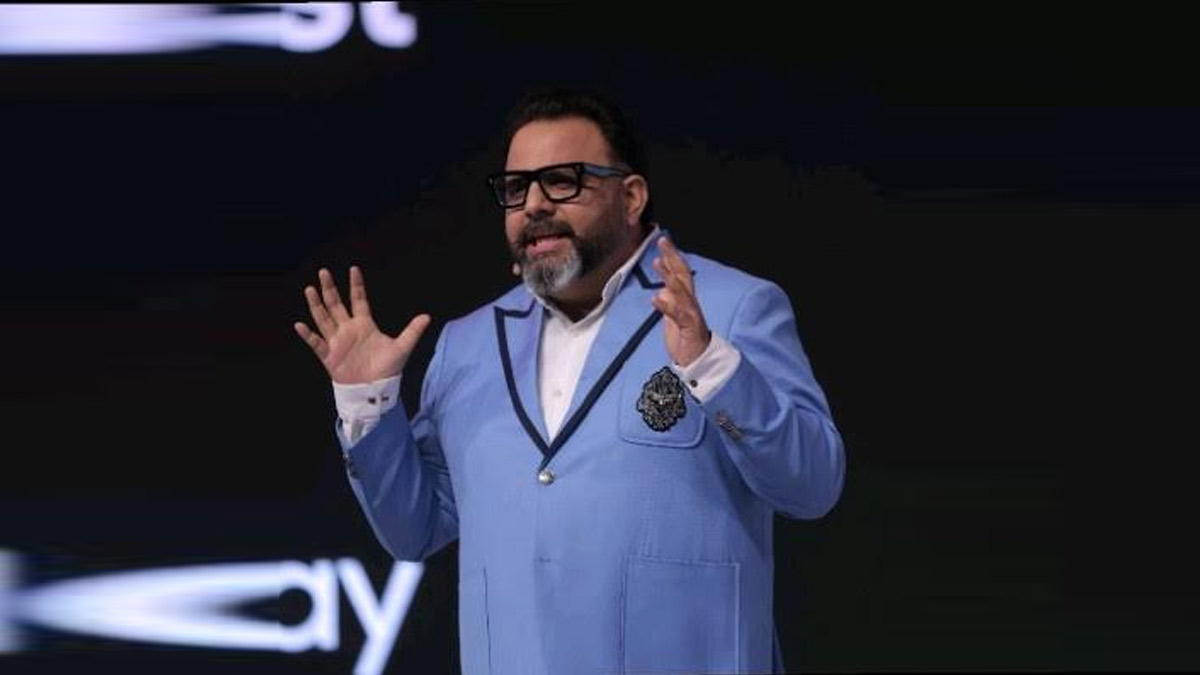
NEW DELHI: Samsung India has elevated Aditya Babbar to lead its mobile phone business, following the exit of Raju Antony Pullan.
Babbar, who previously served as vice president within the mobile division, has been appointed head of sales and marketing for the MX (mobile experience) business, effective May 1. In his new role, he will oversee the company’s sales and marketing operations for smartphones and related categories in India, reporting to the executive vice president of the MX business.
A long-time Samsung executive, Babbar brings over a decade of experience within the organisation, having held multiple leadership roles across product, marketing and category management. Most recently, he led product marketing and e-commerce for the mobile division, following earlier stints as head of product and marketing and senior director roles.
His career within Samsung Electronics and its India operations has also included responsibilities for flagship devices, tablets and wearables, giving him a broad view of the company’s premium and mass-market portfolio.
Babbar succeeds Pullan, who stepped down from the role, marking a leadership transition at a time when India remains a key battleground for global smartphone makers.
The appointment signals continuity within Samsung’s leadership bench, with an internal candidate stepping up to steer one of its most critical business units in a highly competitive market.