MAM
GUEST COLUMN: Digital innovation in the advertising industry


Mumbai: While the age-old basic tenets of advertising (4Ps) remain the same, digital innovations have opened more channels than ever before. Back in the day digital innovations ran speedily and dynamically changed how marketeers approached these basic tenets. But, today there are no drastic innovations, only steady transformation. New technologies have now become an integral part of marketing strategies and their ecosystems.
Having said that, are we future-proofing our marketing strategies? No, but there are a few innovations that will grow on us and become fundamental to how we are going to develop marketing concepts.
Amalgamation:
Gone are the days of linear model. Today, technological innovation and consumer behavior have created a complex reality. The key to combat this challenge is to amalgamate creativity with data to maximise consumer experience. While storytelling will remain fundamental to the process but data will give the marketing strategies an impactful edge. Art and science have always sat on different silos in the traditional method but in the new world they will converge and we will have to think holistically.
Decentralisation:
Many agencies have a centralised marketing structure, but nearly half of them plan to decentralise their operations in the near future. As data hacking becomes more common, demand for decentralisation will rise, and decentralisation is a solution since it places a greater emphasis on privacy and security.
Here are a few more advantages of decentralisation:
1. It has a higher level of customisation for brand-specific campaigns.
2. Content is distributed much more quickly.
3. It will enable agencies to be more innovative and work more quickly for their clients.
4. It will assist you in making quicker decisions.
AI, ML, IoT, and NFT:
When we talk about the future of going digital, we’re talking about AI, machine learning, and the Internet of Things (IoT). The new world would not exist without it, because these technologies provide us with the dynamism of what our future can be and how we can shape it. Personalisation at scale requires AI, which collects enough consumer data to see trends and offer more relevant communications to their target audience. It can learn new information as it comes in using machine learning, and then make modifications to increase performance without having to be programmed to do so. IoT improves performance across the board, from content to interactive advertising. In the year 2021, the globe will also witness a recent innovation known as NFT. A digital asset, such as a patent, can now be owned by anybody.
CTV advertising:
TV advertising will work harder as a result of smart TV and the entire web and connected devices ecosystem. People are already replacing their televisions with Smart TVs, which is causing a significant increase in the Indian market share for TVs. It will play a major role in the commercial experience as the traditional linear TV format loses its relevance. Connected to the internet platforms it is paving the way for selective, targeted, and flexible advertising formats. The CTV evolution has already entered India and has made significant inroads (growing in double digits month on month), as the web ecosystem is enabling connectivity through smart TVs, dongles, gaming consoles, etc.
Just when we thought that we have mastered Facebook, metaverse caused unimaginable disruption. The treadmill of innovation doesn’t show any sign of slowing down in the near future. In such a scenario how creativity will pan across devices, experiences and platforms, how you will tell your story effectively through voice-enabled, geo-tagging, and wearable chatbots will now become crucial to us dream merchants. We will have to adapt fast and adapt with humility as we break down silos and embrace the new world order.
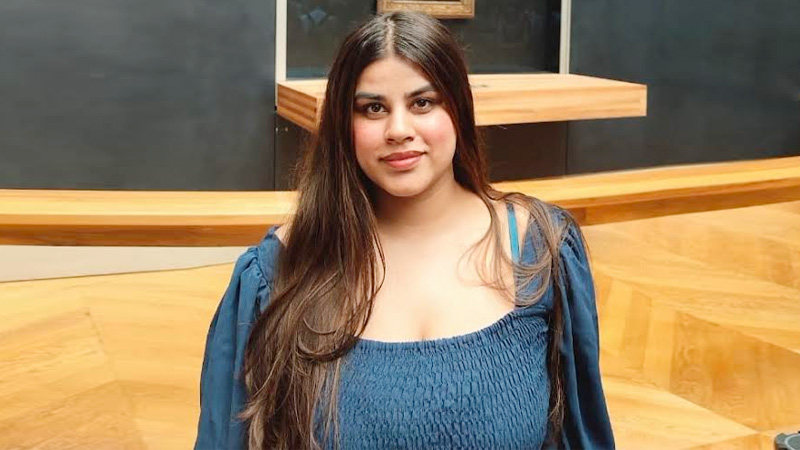
(About Author: Arun Fernandes is the Hotstuff Medialabs founder and CEO)