iWorld
Govt’s Digital India Act to monitor OTT, social media & metaverse
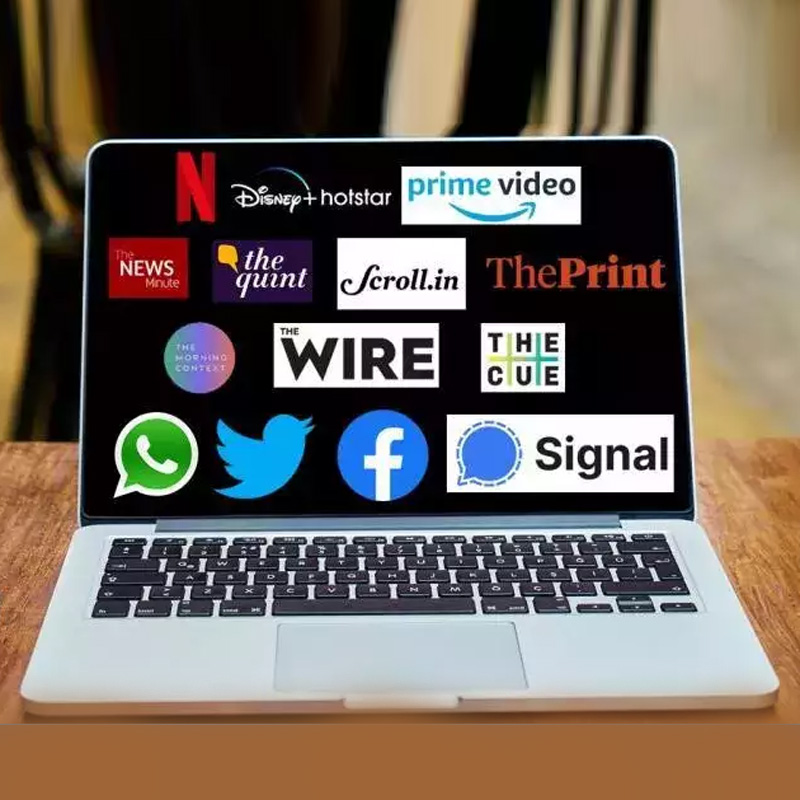
Mumbai: The Digital India Act (DIA), India’s upcoming digital regulatory framework, will have jurisdiction over OTT and social media platforms like Twitter, Facebook, and the Metaverse, according to media reports.
Any violations of content guidelines by OTT platforms such as Netflix and Amazon Prime, such as spreading misinformation or inciting violence, will be monitored by the DIA.
Tdy @GoI_MeitY withdrew the Personal Data Protection Bill,2021 from Parliament
This will soon be replaced by a comprehensive framewrk of Global std laws includng Digital Privacy laws for contemporary & future chllnges n catalyze PM @narendramodi ji vision of #IndiaTechade pic.twitter.com/4qfjmKnfPM
— Rajeev Chandrasekhar (@Rajeev_GoI) August 3, 2022
The ministry of electronics and IT (MeitY) is working to replace the existing IT Act 2000 by the winter session of parliament. MeitY is rushing to finish the legislation by the deadline, which will include specific rules for women’s and children’s online safety.
The Digital India Act will cover social media, OTT platforms, and online apps, as well as web3 applications such as the metaverse and blockchain.
It was previously reported that the proposed Digital India Act would oversee laws dealing with cybercrime and e-commerce, but new reports indicate that the government has broadened the scope of the DIA.
In order to create the Digital India Act, the regulators have studied similar internet laws from other countries, including the General Data Protection Regulation (GDPR) in Europe and laws in Singapore and Australia.
The government has also formed a special committee to review the rules from a technological and legal perspective.
The government will have the ability to request that OTT platforms remove content that transgresses the aforementioned rules, with the DIA serving as the highest authority in this regard.

iWorld
What SMS letters G, T, S and P mean and how they help spot scams
Small alphabet tags on messages reveal whether texts are government or ads.
MUMBAI: Sometimes the smallest letter in a message can be the biggest clue. In an age where smartphone users receive dozens of alerts every day, the tiny alphabet appearing at the end of many SMS messages can reveal whether a text is official, transactional, service related or simply promotional. Understanding these tags can help users quickly identify legitimate messages and stay alert to potential scams.
Under telecom regulations in India, SMS senders are required to categorise messages based on their purpose. As a result, many texts end with a single letter that indicates the type of communication being sent.
If an SMS ends with the letter G, it typically means the message has been sent by a government authority. These alerts may include information about public services, government schemes, safety advisories or emergency notifications such as natural disaster warnings.
A message ending with the letter T signals a transactional SMS. These are usually sent by banks, financial institutions or digital services to confirm activities such as payments, account updates or one time passwords (OTPs).
The letter S represents a service related message. These notifications commonly come from companies and online platforms providing updates about services or orders. For instance, e commerce platforms like Amazon or Flipkart often send delivery updates and order confirmations that end with the letter S.
Meanwhile, SMS messages ending with the letter P are promotional in nature. These texts are typically marketing communications sent by businesses advertising products, offers or services such as education programmes, fashion sales or loan schemes.
Understanding these simple tags can also help users stay cautious about fraudulent messages. Cybersecurity experts note that scam messages often do not follow these regulated formats and may arrive without any category letter at the end.
While the absence of a tag does not automatically mean a message is fraudulent, it can serve as an early warning sign encouraging users to verify the source before clicking links or sharing personal information.
For those who wish to reduce marketing texts altogether, telecom operators also provide Do Not Disturb (DND) options.
Users of Jio can activate DND through the MyJio app by navigating to the menu, selecting settings and enabling the DND option with preferred filters.
Similarly, subscribers of Airtel and Vi can enable the same feature through their respective mobile apps to block promotional messages.
In a digital world flooded with alerts and notifications, recognising what a single letter means could make the difference between a harmless update and a potential scam.