Digital
Drink less, spend more: 79 per cent of consumers rethink alcohol choices
Joint Ipsos, IWSR and AB InBev study finds consumers choosing quality, low-alcohol options and trusted brands


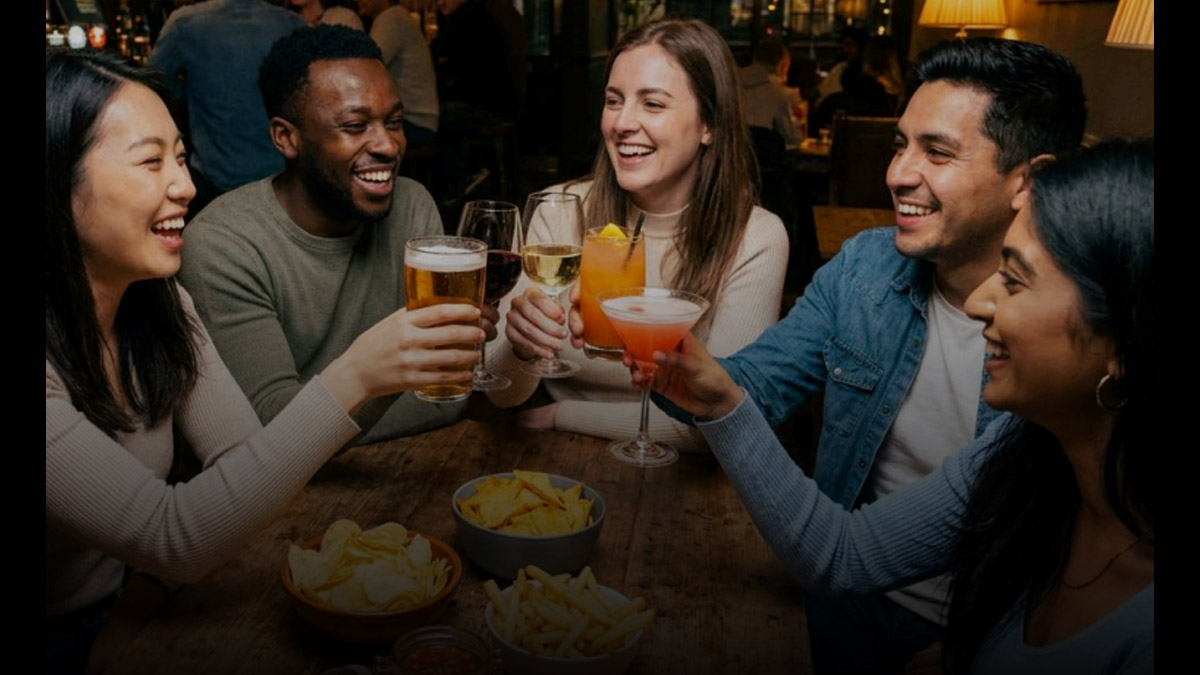
London: Consumers are not giving up on alcohol. They are simply learning to sip smarter.
A new global study by Ipsos, IWSR and AB InBev shows that while overall alcohol consumption remains resilient, drinkers are increasingly embracing moderation, premium products and low or no-alcohol alternatives, reshaping the future of the beverage industry.
The research found that 76 per cent of adults of legal drinking age consumed alcohol in March 2026, only slightly lower than 78 per cent in late 2023. Contrary to the perception that younger consumers are turning away from alcohol, legal-age Generation Z participation rose from 72 per cent to 74 per cent during the same period, effectively closing the gap with older generations.
Although participation remains steady, consumers are drinking less during each occasion. The average number of drinks per session slipped from 3.4 to 3.3 servings between 2023 and 2026. For Generation Z, it declined from 3.3 to 3.2 servings. Monthly drinking occasions also eased marginally from 18.9 to 18.5, although younger consumers bucked the trend by increasing their drinking frequency from 16.7 to 18.6 occasions a month.
Health consciousness is emerging as one of the biggest drivers behind these changing habits. Nearly four in five consumers, or 79 per cent, said they want greater control over their health choices, up four percentage points from 2013. Cost and a desire to drink less were the most common reasons for cutting back, cited by 26 per cent of respondents each. Other factors included attending fewer social events, reducing calorie intake and avoiding hangovers.
This growing preference for moderation is fuelling demand for alcohol-free beverages. No-alcohol beer remains the dominant category, accounting for around 93 per cent of global zero-alcohol volumes. Between 2019 and 2024, the segment expanded by 50 per cent to approximately 35 million hectolitres.
Other categories are growing even faster from a smaller base. No-alcohol ready-to-drink beverages increased 51 per cent, alcohol-free wine grew 78 per cent and zero-alcohol spirits surged by 208 per cent during the same period.
Beer continues to strengthen its position in the broader alcohol market. Beer and “Beyond Beer”, which includes hard seltzers, flavoured malt beverages and premixed cocktails, now account for more than half of global alcohol servings. Their combined market share is expected to rise from 50.7 per cent in 2026 to 51.4 per cent by 2035.
Beer alone has steadily gained ground, with its share projected to increase from 44 per cent in 2019 to 47.5 per cent by 2035. Meanwhile, spirits and wine are losing share, with wine expected to fall below 10 per cent of global servings by 2035.
Social experiences continue to play a central role in drinking occasions despite changing consumption patterns. Around 35 per cent of consumers said socialising remains their main reason for drinking, while more than one billion people are expected to attend live sports and music events worldwide for the first time, about 20 per cent higher than 2019 levels.
The trend has helped stabilise bars, pubs and restaurants. Across key global markets, on-trade consumption increased from 39 per cent in 2023 to 40 per cent in 2025, while drinking at home slipped from 55 per cent to 52 per cent.
Economic pressures are also influencing purchasing decisions. The study found consumers are cutting discretionary spending on alcohol, but when they do buy, they are increasingly opting for premium products. Premium-plus alcohol recorded annual volume growth of 5 per cent between 2014 and 2024, led by premium beer at 5.6 per cent.
Convenience and flavour are also reshaping the market. Ready-to-drink beverages have emerged as the fastest-growing alcohol category over the past decade, with more than half of consumers citing flavour as the biggest reason for choosing them and nearly 40 per cent valuing convenience.
Innovation remains critical for producers. New product launches and limited-edition offerings contributed 55 per cent of total retail sales value growth in beverage alcohol between 2015 and 2024, highlighting the importance of continuous product development.
The study also found that brand trust is becoming increasingly important in purchasing decisions. Around 77 per cent of consumers said they are more likely to try a new beverage if it comes from a brand they already recognise, while trust in commercial brands has risen to 72 per cent globally.
For the alcohol industry, the message is becoming crystal clear. Consumers are not walking away from the category. Instead, they are drinking more thoughtfully, spending more selectively and rewarding brands that deliver quality, innovation and trust.