High Court
Google tells Delhi HC it cannot proactively block court videos on Youtube
Tech giant says only courts can deem videos unlawful as petition seeks wider safeguards

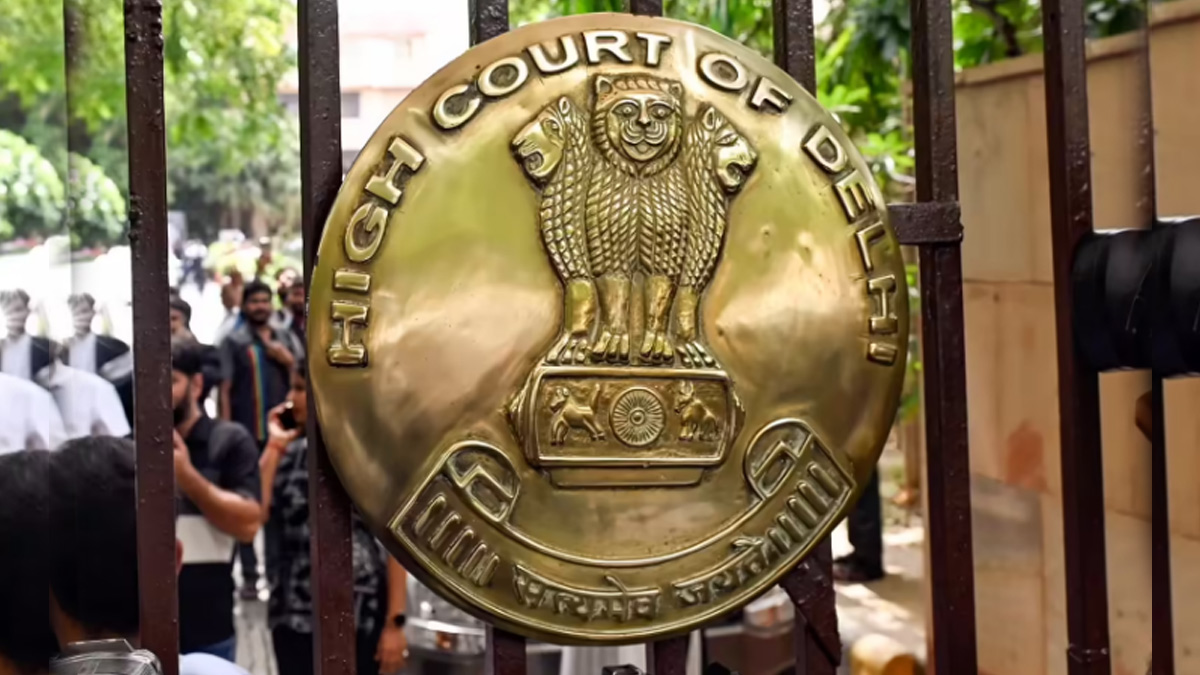
NEW DELHI: What happens in court doesn’t always stay in court but Google says it cannot be expected to police every upload before it goes live. Google has told the Delhi High Court that it is neither technically feasible nor legally required to proactively detect or prevent unauthorised recordings of court proceedings from being uploaded to Youtube, pushing back against calls for social media platforms to stop such videos from resurfacing online.
In an affidavit filed before the High Court, the company argued that requiring platforms to prevent the re-upload of court recordings would be both technically impossible and legally untenable. The submission came in response to a petition seeking stronger safeguards against unauthorised videos of court proceedings appearing on digital platforms.
According to a report by Bar & Bench, Google said videos are recorded outside Youtube, leaving the platform with no reliable way to determine whether a recording contains court proceedings, whether it was authorised, or whether it breaches the law. The company also noted that rules governing the recording of court proceedings differ across jurisdictions in India.
Google maintained that its legal obligation begins only after a competent court identifies specific content as unlawful. It said it is required to remove or block videos only when they are identified through their URLs following a judicial determination and cannot be expected to scan millions of user-uploaded videos to locate similar material.
The tech giant further argued that India’s intermediary framework does not require platforms to actively monitor user-generated content or adjudicate disputes over third-party material. Instead, it said questions over the legality of content must first be decided by a competent court before any takedown obligation arises.
The affidavit was filed in response to a petition by advocate Vaibhav Singh, who sought action against individuals who uploaded videos showing Arvind Kejriwal addressing the court of Justice Swarana Kanta Sharma during proceedings in the excise policy case. The petition also seeks directions requiring social media platforms to prevent such unauthorised recordings from reappearing online.
The matter has wider implications for digital platforms and the judiciary alike. In April, the Delhi High Court observed that the issue extends beyond an individual case and touches the institutional interests of the judiciary, emphasising that unauthorised recordings of court proceedings need to be effectively controlled.
Google also informed the Court that the Youtube videos identified by the petitioner have already been removed or blocked for viewers in India.