MAM
HDFC Bank names Rajiv Kumar as part-time non-executive chairman
Former Finance Secretary and CEC awaits RBI approval for three-year tenure

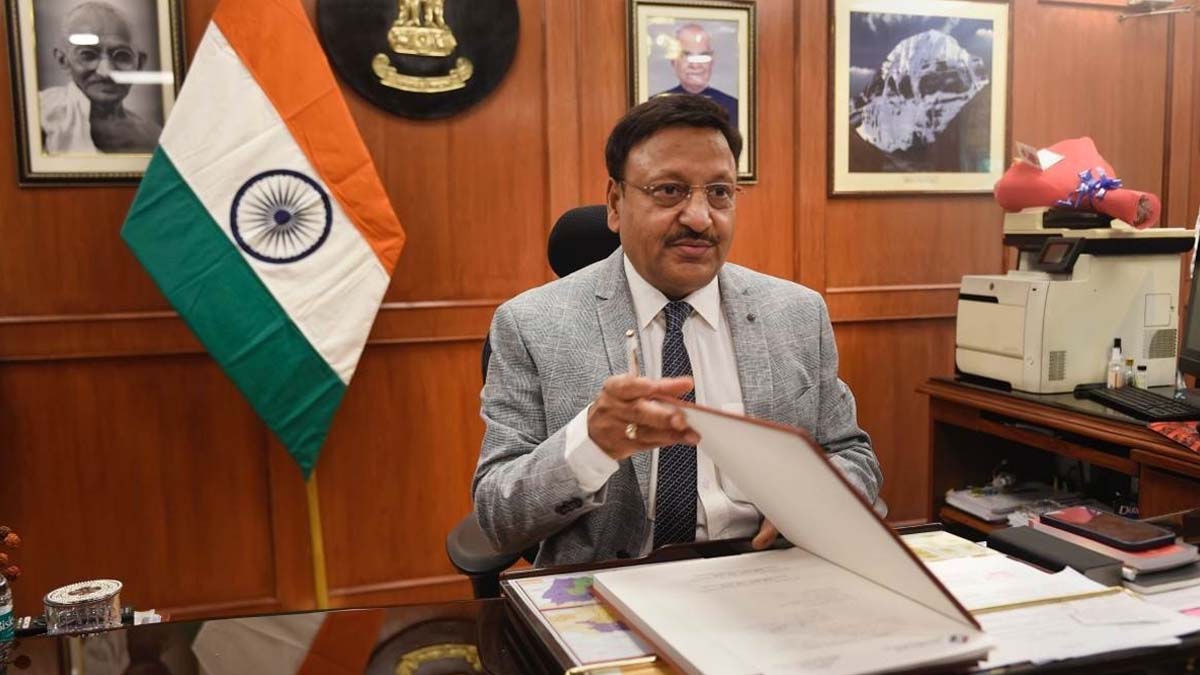
MUMBAI: From steering the nation’s finances to shaping a banking giant’s future, Rajiv Kumar is changing desks once again. HDFC Bank has appointed former Finance Secretary and former Chief Election Commissioner Rajiv Kumar as its new part-time non-executive chairman, subject to approval from the Reserve Bank of India (RBI), marking a significant leadership transition at India’s largest private sector lender.
The bank’s board has also appointed Kumar as an Additional Independent Director for a four-year term beginning 30 June 2026, subject to shareholder approval. According to a regulatory filing, his appointment as chairman, including remuneration, will take effect from the date approved by the RBI and will remain valid for three years. The decision was recommended by the bank’s Governance, Nomination and Remuneration Committee.
Kumar succeeds Atanu Chakraborty, who stepped down earlier this year citing ethical concerns. Following his resignation, Keki Mistry was appointed interim chairman.
A 1984-batch IAS officer, Kumar retired as Finance Secretary in February 2020 before briefly serving as chairman of the Public Enterprises Selection Board. He later became the 25th Chief Election Commissioner, overseeing the 2024 Lok Sabha elections.
In explaining the appointment, HDFC Bank highlighted Kumar’s role in steering India’s financial sector through one of its most challenging phases between 2017 and 2020, when banks were grappling with stressed assets, capital shortages, governance concerns and pressure on non-banking financial companies. The lender credited him with driving the banking sector’s 4R strategy Recognition, Resolution, Recapitalisation and Reforms which helped improve asset quality and restore profitability across public sector banks. It also noted that Kumar oversaw the consolidation of 27 public sector banks into 12 institutions while leading capital infusion of more than Rs 3 lakh crore into state-owned lenders.
According to the bank, Kumar also strengthened financial oversight by freezing accounts linked to around 3.38 lakh shell companies, supporting the Banning of Unregulated Deposit Schemes Act, 2019, tightening monitoring of large loans and reinforcing the Insolvency and Bankruptcy Code framework.
HDFC Bank further said his tenure in government saw improvements in governance standards, technology-led risk monitoring, higher deposit insurance cover and wider financial inclusion initiatives. The bank also confirmed that Kumar is not debarred by SEBI or any other statutory authority from holding the office of a director.
With regulatory approval pending, the appointment brings one of India’s most experienced policymakers into the boardroom as HDFC Bank prepares for its next phase of governance and growth.