e-commerce
Amazon Prime Day signals shift towards essentials amid US strain
Shoppers prioritise groceries and school supplies as costs continue to rise.

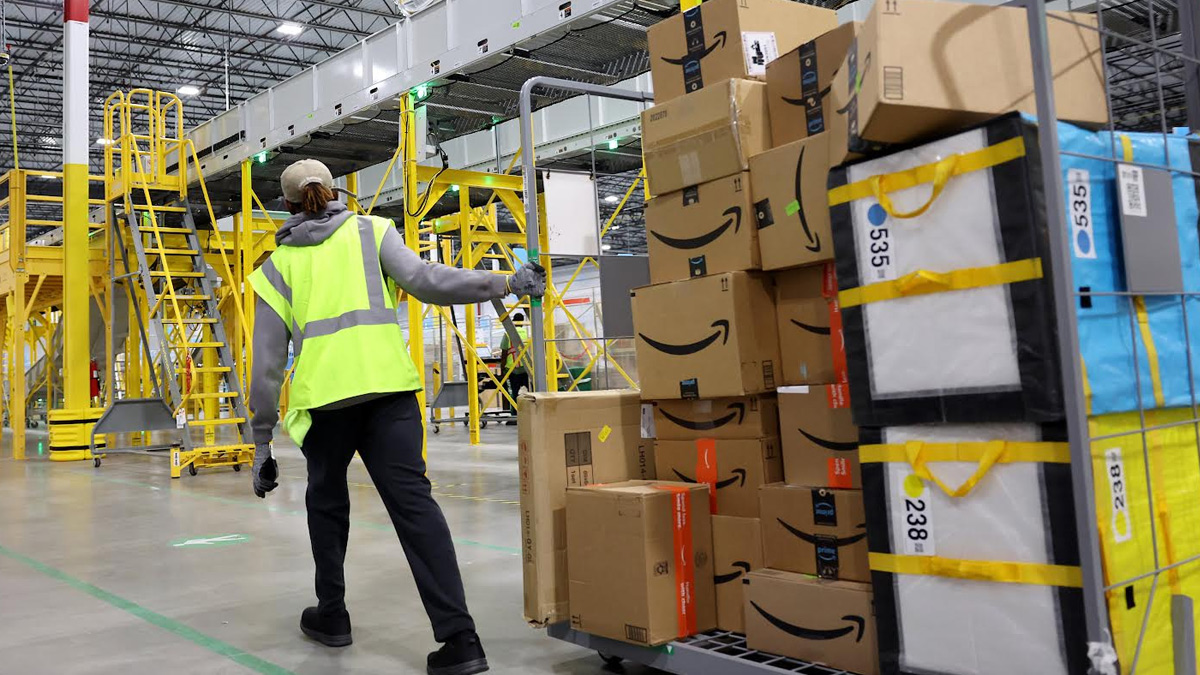
MUMBAI: Prime time is turning into pantry time as bargain hunters swap big screens for basics. Amazon’s annual Prime Day sale is shaping up to be more than a shopping event this year. Analysts say it is emerging as a real-time barometer of consumer sentiment in the United States, with early signs pointing to households prioritising essentials over discretionary purchases as inflationary pressures continue to bite.
The four-day shopping event, running from 23 to 26 June, has been brought forward from its traditional July slot. The move is intended to avoid competition from major events including the FIFA World Cup and celebrations marking the 250th anniversary of US independence, while also tapping into spending linked to summer travel, July Fourth preparations and back-to-school shopping.
Yet, for retailers and economists alike, the bigger story may not be how much consumers spend, but where their money is going.
Instead of splurging on big-ticket items such as televisions, gadgets and luxury products, shoppers are expected to focus on groceries, household essentials and school supplies. The trend reflects mounting financial pressures across American households, with inflation rising 4.2 per cent in May, its fastest pace in three years, alongside higher fuel costs driven by geopolitical uncertainty.
The squeeze is being felt most acutely among lower- and middle-income consumers, who are increasingly seeking value over indulgence. Industry observers note that shoppers are approaching Prime Day less as an opportunity for impulse purchases and more as a chance to stock up on everyday necessities at discounted prices.
Amazon appears to be leaning into that reality. The company has placed greater emphasis on promotions across fresh food, groceries, household products, travel deals and back-to-school categories, signalling where it expects consumer demand to be strongest.
Despite the shift in spending priorities, overall sales are still projected to remain robust. Adobe Analytics estimates Prime Day spending could surpass the combined sales generated during Black Friday and Cyber Monday 2025, while Bank of America forecasts total sales of around $21.6 billion during the 96-hour event.
The sale is also serving as a showcase for Amazon’s expanding technology ambitions. The company is promoting its AI-powered shopping assistant, Alexa, which helps users discover deals, track price movements and personalise recommendations.
For now, Prime Day remains a retail heavyweight. But this year’s baskets may tell a different story. As consumers navigate rising costs and tighter budgets, the biggest winners could be not the latest gadgets, but the humble household essentials quietly filling virtual shopping carts across America.