e-commerce
PhonePe, Google Pay UPI share dips below 80 per cent for first time
Smaller rivals gain ground as UPI handles 23 billion transactions monthly.

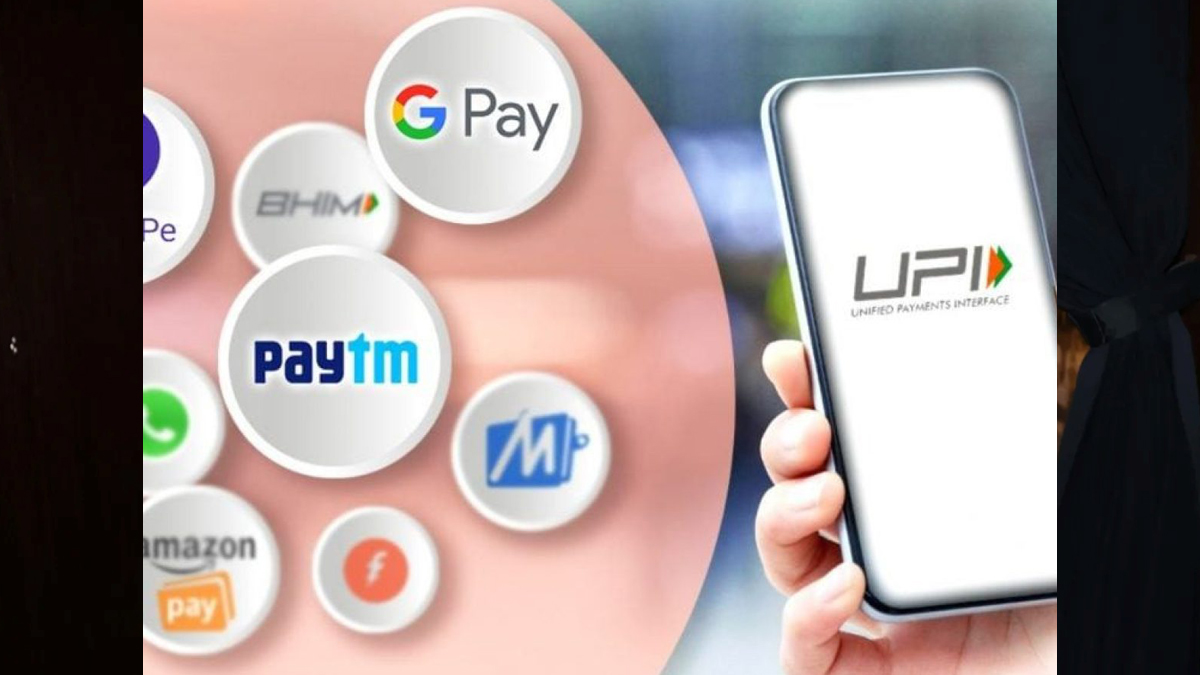
MUMBAI: The UPI pie is getting a few more slices. After years of near-duopoly dominance, PhonePe and Google Pay are beginning to cede ground as smaller players steadily carve out a larger share of India’s booming digital payments market.
PhonePe and Google Pay together accounted for 79 per cent of Unified Payments Interface (UPI) transactions in May 2026, according to National Payments Corporation of India (NPCI) data cited by Moneycontrol. The milestone marks the first time their combined market share has slipped below the 80 per cent threshold since app-wise transaction data began being published.
The shift comes with less than six months remaining before the deadline for implementing the proposed 30 per cent market share cap for individual UPI applications. While the two payment giants continue to dominate the ecosystem, their hold on the market appears to be loosening as newer entrants gain momentum.
NPCI has been actively working to diversify the UPI landscape by encouraging broader participation among third-party application providers (TPAPs). Measures such as easing feature parity requirements and exploring early or exclusive access to new features for smaller apps have helped level the playing field.
Among the beneficiaries are NPCI-backed BHIM, Navi, super.money and WhatsApp Pay, all of which have expanded their footprint over the past two years. BHIM’s market share has grown five-fold to reach 1 per cent, while Navi and super.money have together captured 5.5 per cent of the market. WhatsApp Pay has also steadily increased its presence.
The trend marks a notable reversal from previous years. PhonePe and Google Pay jointly controlled around 80 per cent of the UPI market in 2021, before their combined share climbed to 86 per cent in May 2024. By May 2026, that figure had fallen to 79 per cent.
Market concentration has eased at a broader level too. The top three UPI apps PhonePe, Google Pay and Paytm accounted for 95.2 per cent of all UPI transactions in January 2024. Their combined share has since declined to 87 per cent.
Despite the progress, the ecosystem remains far from NPCI’s long-term objective of ensuring that no single UPI app controls more than 30 per cent of transaction volume. Recognising the challenges involved, NPCI extended the implementation deadline for the market-cap rule by two years in December 2024.
At the same time, the payments body has accelerated approvals for new entrants. During 2024 alone, 20 companies received TPAP licences, enabling them to launch UPI-based services.
Many of these emerging players are building broader financial ecosystems around payments, offering services spanning lending, investments, broking and credit products. Several are also rolling out RuPay credit cards linked to UPI, combining card rewards with cashback benefits and interest-free credit periods.
The opportunity remains enormous. UPI now processes more than 23 billion transactions every month, with transaction values touching roughly Rs 30 lakh crore. The platform accounts for nearly 86 per cent of all digital transactions in India, cementing its position as the world’s largest real-time inter-bank payments network.
As India’s digital payments market continues to mature, the latest numbers suggest that while the giants still lead the race, the chasing pack is finally beginning to close the gap.