Gaming
LVL Zero cohort shows Indian indie game studios are building for global scale
Four startups move beyond prototypes with ambitious games aimed at worldwide players

MUMBAI: India’s indie gaming scene is pressing start on a bigger mission. A new crop of developers is no longer treating game creation as an experiment. Instead, they are building ambitious titles designed to compete for players across global PC, console and mobile markets.
That shift is on display at LVL Zero, India’s gaming incubator backed by MIXI Global Investments, Nazara Technologies and Chimera VC. The programme has spotlighted four startups from its inaugural cohort that are developing gameplay-first titles with global commercial ambitions.
Chosen from more than 240 applicants, Impulse Mechanics, YK Game Studio, Xigma Games and Arckon Arts are working across genres ranging from sandbox simulation and survival to real-time strategy and multiplayer experiences. The startups are participating in LVL Zero’s 100-day incubation programme, which combines mentorship, publishing support, operational guidance and ecosystem partnerships to help studios transform prototypes into market-ready products.
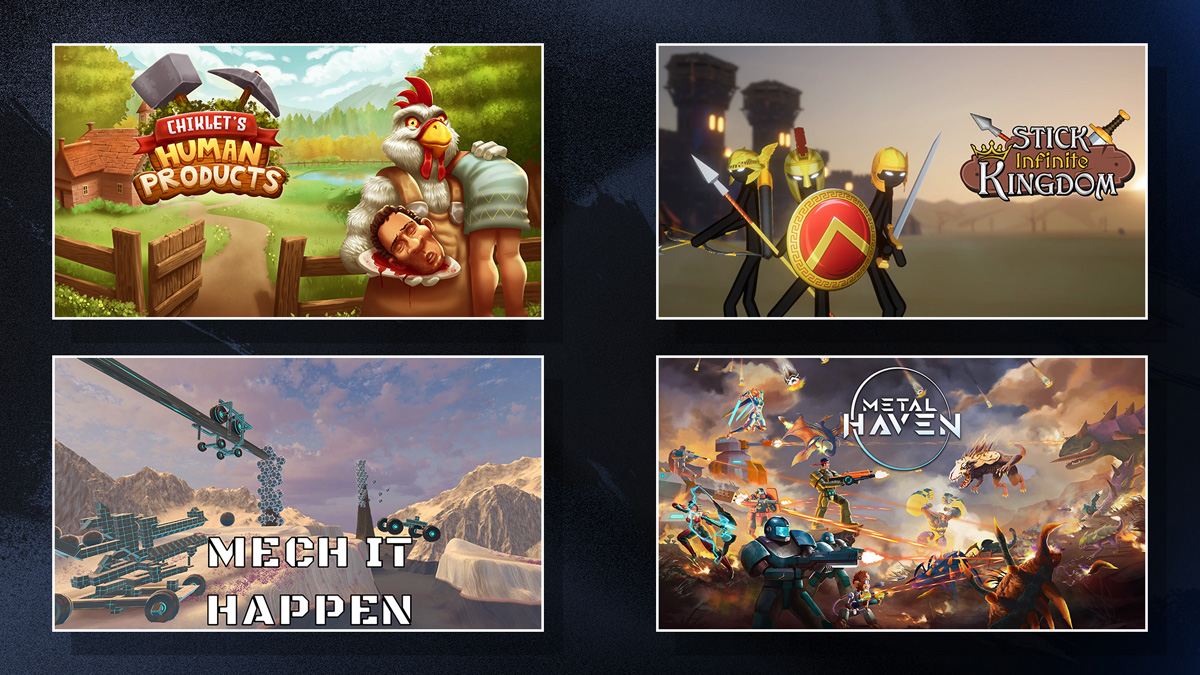
Among the participants, Impulse Mechanics is developing Mech It Happen!, a physics-based sandbox title that encourages players to design machines capable of solving traversal and destruction challenges through creative experimentation.
“Many building games focus on construction itself, but we wanted to focus equally on what players are building for,” said Impulse Mechanics founder, Siddharth Gupta. “At the core of our design philosophy, we believe games are supposed to be fun first, and we’re learning how to scale that into a globally market-ready experience.”
Another studio drawing attention is YK Game Studio, which is creating Chiklet’s Human Products, a quirky reverse-farming title where animals produce and harvest “human products” through humour-driven survival mechanics. The studio believes unusual concepts paired with strong gameplay systems can help Indian developers stand out in a crowded international market.
“Our focus is on building games with a strong X-factor, concepts that instantly grab attention while still delivering deep and addictive gameplay systems,” said YK Game Studio founder, Yash Kaushik.
Meanwhile, Xigma Games is looking to build on the success of its The Bonfire franchise, which has recorded more than 10 million downloads worldwide. Its latest project, Metal Haven, combines base-building, tactical combat, multiplayer alliances and long-term progression systems in a sci-fi strategy setting.
“For us, building globally from India means making games that can stand beside the best games in the market regardless of where the studio is based,” said Xigma Games co-founder, Himanshu Manwani. “Quality, polish, gameplay depth and live operations all have to compete at an international standard.”
Also part of the cohort is Arckon Arts, a family-run studio developing Stickman Infinite Kingdom, which blends cinematic stickman animation with tactical combat and narrative-led gameplay. The company began in animation and YouTube content creation before expanding into game development and original intellectual property creation.
“Global distribution platforms are now open to everyone, and Indian indie studios finally have access to international publishers, console programmes and ecosystem support,” said Arckon Arts co-founder, Dinesh Kumar. “There has never been a better time for Indian developers to build globally.”
A common thread running through the cohort is the growing adoption of modern development tools, including AI-assisted workflows. Founders say AI is helping smaller teams speed up prototyping, game balancing, production planning, analytics and iteration cycles, enabling them to compete more effectively without the resources traditionally associated with larger studios.
According to LVL Zero, this reflects a broader shift in mindset across India’s gaming ecosystem. “Indian indie studios are no longer thinking small,” said LVL Zero head of incubation, Sagar Nair. “These founders are building with global player expectations, scalable systems and long-term product thinking from day one.”
The incubator is supported by ecosystem partners including Google Play, AppsFlyer, ID@Xbox, Gameramp, Lysto and Sentient. Together, they aim to strengthen the support systems around publishing, growth, monetisation and product readiness for emerging studios.
As India’s gaming industry levels up, these developers are betting that the country’s next big export will not just be gaming talent, but globally recognised gaming IP. If the momentum continues, Indian indie studios may soon be competing on the world stage not as challengers, but as serious contenders.