Regulators
Commercial LPG prices rise by Rs 42 in Delhi, crossing Rs 3,113 per cylinder
Fresh hike adds pressure on restaurants and businesses amid Gulf supply concerns

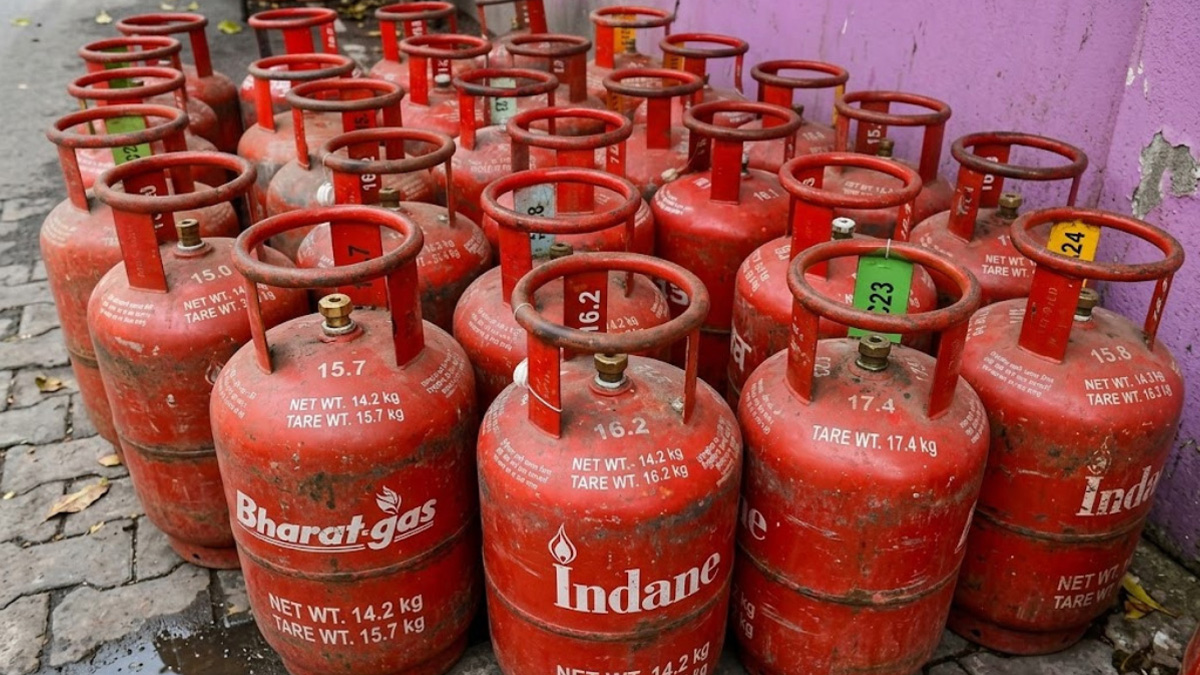
NEW DELHI: Cooking up a storm, commercial LPG prices have risen once again, delivering another cost shock to restaurants, hotels, caterers and small businesses across the country. From June 1, the price of a 19-kg commercial LPG cylinder in Delhi has increased by Rs 42, taking the retail rate to Rs 3,113.50. Kolkata saw a steeper rise of Rs 53.50, pushing the price to Rs 3,255.50. Prices of 5-kg Free Trade LPG cylinders have also been raised by Rs 11, while domestic LPG cylinder rates remain unchanged.
The latest revision continues a dramatic upward trend that has unfolded throughout the year. In January, a 19-kg commercial cylinder in Delhi cost Rs 1,691.50. After a series of monthly increases, including a sharp jump of nearly Rs 1,000 in April, the price has now surged to more than Rs 3,100, representing an increase of over 84 per cent in just five months.
The impact is being felt across major cities. Commercial LPG cylinders now cost Rs 3,024.50 in Mumbai, Rs 3,232 in Chennai, Rs 3,294 in Hyderabad and Rs 3,322 in Patna, making fuel costs an increasingly significant burden for businesses dependent on commercial cooking gas.
The LPG hike comes on the heels of several other fuel price increases. CNG prices have risen by Rs 6 per kg since mid-May, while petrol and diesel rates have also moved higher as oil marketing companies passed on the impact of elevated global energy costs.
The ongoing geopolitical tensions in the Gulf region, particularly those linked to the conflict involving Iran, as a major factor behind the sustained rise in LPG prices. Disruptions to energy supply chains have increased international LPG prices and tightened availability in key export markets.
As one of the world’s largest energy importers, India remains heavily reliant on Gulf supplies for crude oil, natural gas and LPG. While alternative crude supplies have been sourced, LPG availability has remained under pressure, leaving commercial consumers exposed to higher costs.
In response to supply concerns, the Central Government of India has asked state-run fuel retailers, including Indian Oil Corporation, Bharat Petroleum Corporation and Hindustan Petroleum Corporation, to prepare plans for maintaining LPG inventories equivalent to at least 30 days of demand.
For businesses already dealing with rising transport and operating expenses, the latest increase presents a difficult choice: absorb the higher costs and accept lower margins, or pass them on to customers. Either way, the ripple effects are likely to be felt far beyond the kitchen.