Regulators
Supreme Court seeks response on food safety enforcement petition
Plea questions low penalties, staffing gaps and weak food safety oversight.

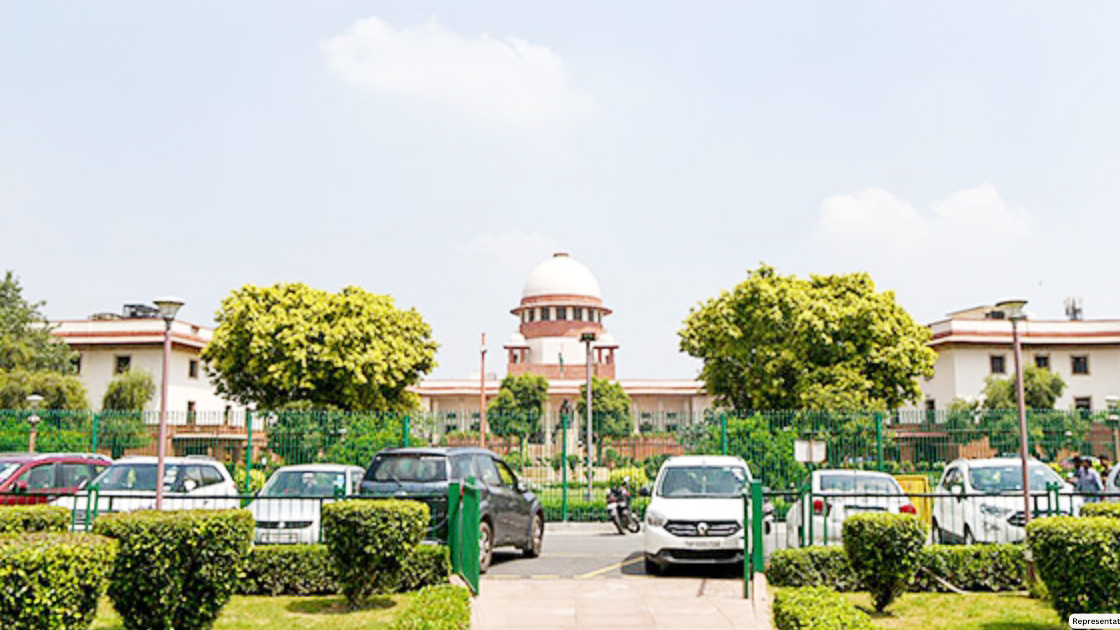
MUMBAI: India’s food safety watchdog has found itself on the menu, with the Supreme Court now taking a closer look at whether the country’s enforcement framework is tough enough to keep unsafe food off people’s plates. The Supreme Court has issued notices to the Union government and the Food Safety and Standards Authority of India (FSSAI) on a petition seeking stronger enforcement mechanisms and stricter penalties under the Food Safety and Standards Act, 2006.
A bench comprising Justice Vikram Nath and Justice Sandeep Mehta was hearing a plea filed by IVF specialist Dr Aniruddha Malpani, who argued that while India’s food safety laws broadly align with international standards, weak enforcement has allowed unsafe and adulterated food products to continue reaching consumers.
At the heart of the petition is a challenge to the existing penalty structure, which the petitioner claims has failed to deter large food businesses. The plea argues that fixed monetary penalties are too insignificant when compared with the revenues and profits of major corporations, effectively turning regulatory breaches into a routine business expense.
The petition points out that the maximum penalty for sub-standard food is capped at Rs 5 lakh, while misbranding violations attract a maximum fine of Rs 3 lakh. According to the plea, these amounts bear little relation to the scale of operations of large food companies and fail to reflect the principles outlined in Section 49 of the Act, which requires authorities to consider factors such as unfair gains, consumer losses and repeat offences.
The case also shines a spotlight on broader enforcement challenges. Citing a 2017 performance audit by the Comptroller and Auditor General (CAG), the petition notes that nearly 47 per cent of imposed penalties remained unrecovered, while adjudication proceedings frequently exceeded prescribed timelines. The petitioner further alleges systemic weaknesses within the food safety ecosystem, ranging from staff shortages and inadequate laboratory infrastructure to weak surveillance and licensing systems. According to data presented in the Rajya Sabha on 13 March 2026, only 2,997 Food Safety Officers are currently in position against 4,208 sanctioned posts nationwide. Concerns were also raised about testing capabilities, with the petition citing audit findings that several laboratories lacked the capacity to detect pesticides, heavy metals and microbiological contamination. It further alleges that mandatory testing was not conducted in a significant number of food samples. Invoking Article 21 of the Constitution, which guarantees the right to life, the plea argues that access to safe and wholesome food forms a fundamental right. It also references previous Supreme Court observations recognising hazardous food products as a threat to public health and personal safety. The petitioner has sought a range of reforms, including turnover-linked penalties for violations, stronger regulatory oversight, enhanced laboratory capacity, increased manpower and greater public disclosure of food safety breaches. While the Court has not yet expressed any view on the merits of the case, the proceedings could trigger a wider debate on whether India’s food safety framework needs a sharper bite to match the scale and complexity of the country’s rapidly expanding food industry.