Brands
Airline and hospitality stocks fall after Modi pitches fuel-saving measures
Airline, hotel and tourism shares slide as PM backs local travel and fuel saving

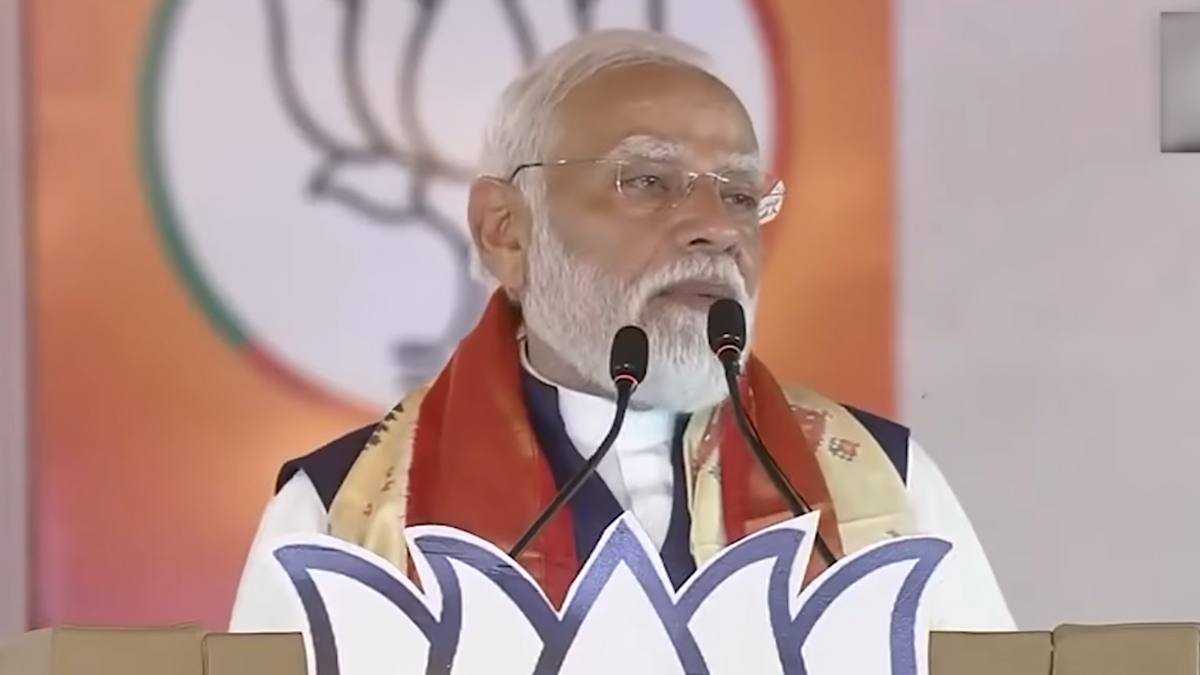
MUMBAI: Shares of travel, tourism and hospitality companies came under heavy selling pressure on Monday after Narendra Modi urged Indians to avoid unnecessary foreign travel, cut fuel consumption and adopt more frugal lifestyle habits amid growing global economic uncertainty linked to the West Asia crisis.
The Prime Minister, while addressing a public gathering in Hyderabad on Sunday, appealed to citizens to reduce petrol and diesel usage, revive work-from-home practices where possible, and postpone discretionary overseas spending, including destination weddings and leisure travel abroad. The remarks rattled investor sentiment across the travel and hospitality sector, with several stocks slipping sharply in morning trade.
Travel services firm Thomas Cook India emerged among the biggest losers, falling over 5 per cent during the session before trimming some losses. Online travel platform Yatra Online declined more than 5 per cent, while Easy Trip Planners, operator of EaseMyTrip, dropped around 3 per cent.
Shares of Le Travenues Technology, which operates Ixigo, also slipped as investors weighed the possibility of softer outbound travel demand in the coming months.
The hospitality pack too checked out early. Tata Group-backed Indian Hotels Company, which runs the Taj hotel chain, fell over 2 per cent intraday, while ITC Hotels and Lemon Tree Hotels also traded lower amid broader weakness in tourism-linked stocks.
Government-owned tourism and ticketing operator IRCTC declined nearly 2 per cent, reflecting concerns that reduced discretionary travel could weigh on future bookings.
Airline stocks were not spared turbulence either. InterGlobe Aviation, parent company of IndiGo, dropped close to 5 per cent, while SpiceJet slipped around 2.5 per cent. Rising crude oil prices, coupled with fears of weaker international travel demand, added to worries around airline profitability.
In his address, Modi said, “We have to reduce our use of petrol and diesel. In cities with metro lines, we should try to travel by metro. If we must use a car, then we should try to car pool.”
He also encouraged businesses to revisit digital working systems adopted during the Covid years. The Prime Minister noted that online meetings, work-from-home arrangements and video conferencing could help reduce unnecessary fuel consumption and lower pressure on foreign exchange reserves.
Modi further appealed to citizens to avoid non-essential foreign travel and delay large overseas celebrations for at least a year. Stressing the importance of economic discipline, he said patriotism today also means making responsible lifestyle choices that support the country during uncertain times.
The remarks come as India grapples with elevated crude oil prices and global supply disruptions triggered by tensions in West Asia. As one of the world’s largest oil importers, India remains particularly sensitive to fluctuations in energy costs and foreign exchange outflows.
For investors, the message from Dalal Street was clear: when belt-tightening becomes national policy, travel and hospitality stocks are often the first to feel the heat.