MAM
Birla Opus Paints launches ‘Main Bhi’ campaign with Vicky Kaushal
New films highlight 16-year warranty and 10 per cent extra coverage.

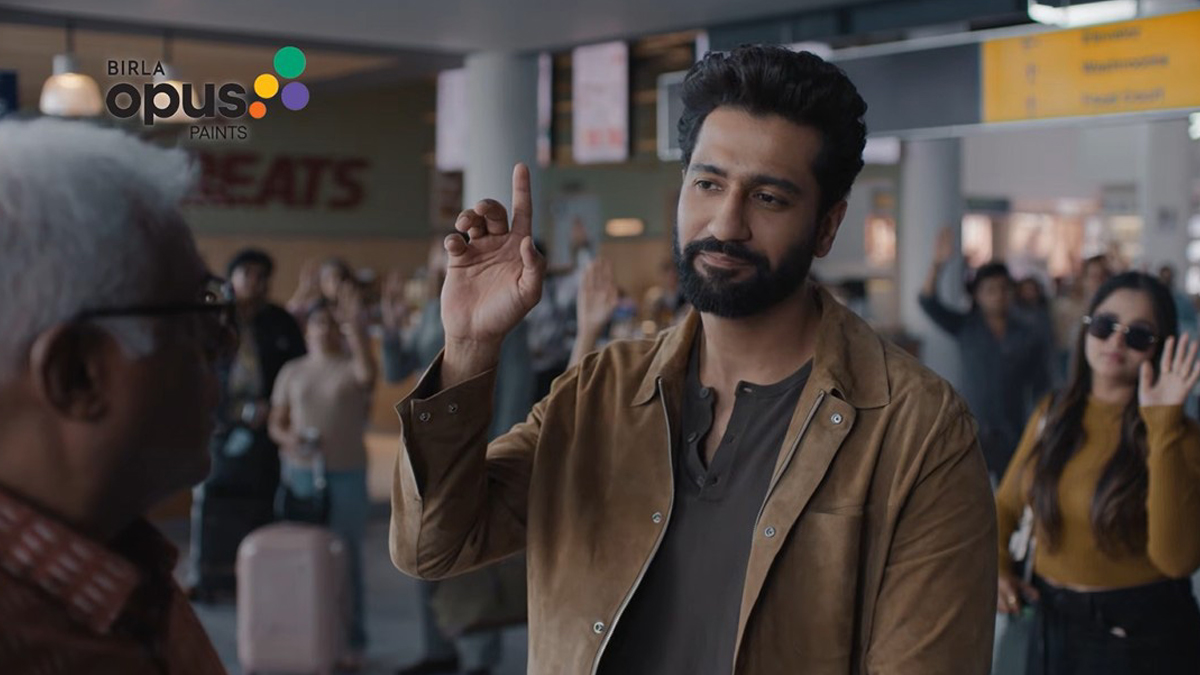
MUMBAI: When the paint does the talking, even sceptics start saying, “Main bhi.” Birla Opus Paints, part of Grasim Industries, has rolled out its latest campaign ‘Main Bhi…’, extending its “Naye Zamane Ka Naya Paint” positioning with a mix of humour, relatability, and product-first storytelling. Fronted by Vicky Kaushal alongside Ashish Vidyarthi and Sanjay Mishra, the campaign leans into a familiar consumer truth loyalty to legacy brands often comes with scepticism towards new entrants. The films flip that hesitation on its head, turning doubt into endorsement through a recurring, almost contagious response: “Main Bhi…”
Conceptualised by Leo India, the campaign unfolds across two everyday yet high-visibility settings, an airport and a cricket stadium using situational humour to land key product claims. These include a 16-year warranty on exterior paints and 10 per cent extra coverage for enamel paints, positioning performance as the real protagonist.
Rather than relying on conventional demonstrations, the films build momentum through social validation showing how belief in a product spreads organically when it consistently delivers. The approach reflects a broader shift in consumer behaviour, where peer endorsement often outweighs brand claims.

The campaign will be rolled out in Hindi and multiple regional languages, supported by a 360-degree media mix spanning television, digital, out-of-home, and print, as the brand looks to drive both awareness and trial in a highly competitive category.
With ‘Main Bhi…’, Birla Opus Paints is not just selling durability or coverage, it is attempting to colour consumer perception itself, one shared belief at a time.






MAM
Paramount set to acquire Warner Bros. Discovery in $81 billion deal
Shareholders back merger, combined entity could reshape streaming and studios.
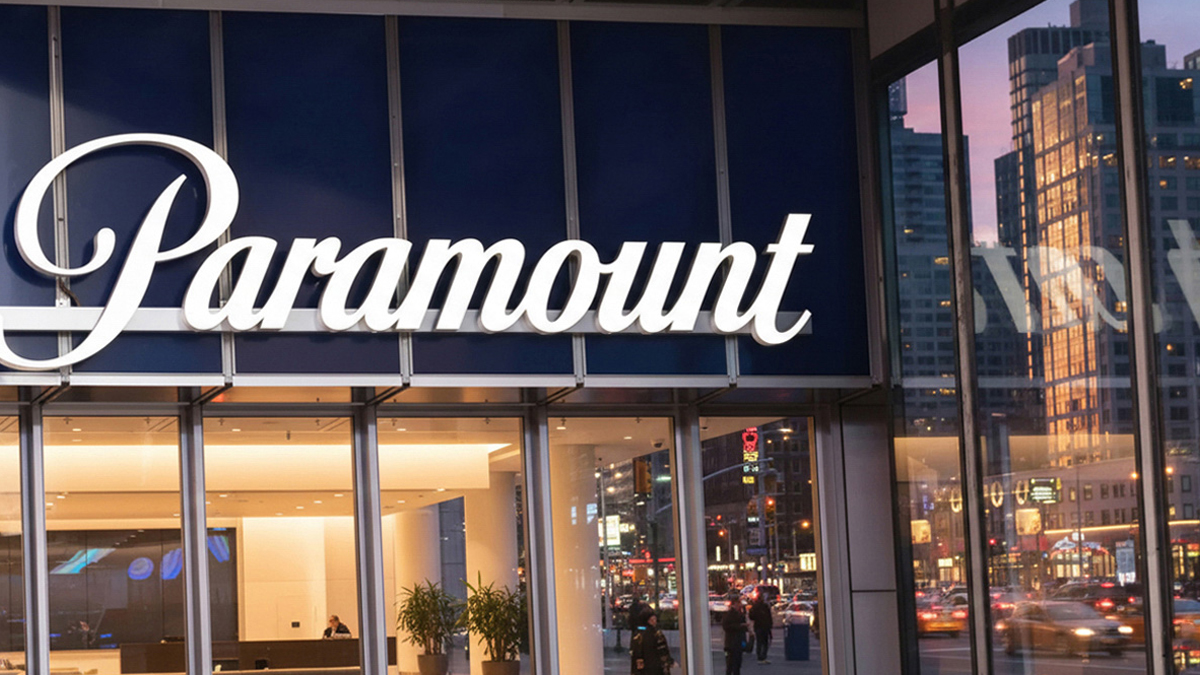
MUMBAI: Lights, camera… consolidation, Hollywood’s latest blockbuster might be happening off-screen. Shareholders of Warner Bros. Discovery have voted in favour of selling the company to Paramount in a deal valued at $81 billion rising to nearly $111 billion including debt setting the stage for one of the biggest shake-ups in modern media. The proposed merger, still subject to regulatory approvals, would bring together a vast portfolio spanning HBO Max, CNN, and franchises such as Harry Potter under the same umbrella as Paramount’s own heavyweights, including Top Gun and CBS.
At the heart of the deal is streaming scale. Executives have indicated plans to combine HBO Max and Paramount+ into a single platform, potentially creating a stronger challenger to giants like Netflix and Amazon’s Prime Video. Current market data suggests HBO Max holds around 12 per cent of US on-demand subscriptions, compared to Paramount+’s 3 per cent, together still trailing Netflix’s 19 per cent and Disney’s combined 27 per cent via Disney+ and Hulu.
Paramount CEO David Ellison has signalled that while platforms may merge, HBO’s creative identity will remain intact, stating the brand should “stay HBO” even within a broader ecosystem.
Beyond streaming, the deal would redraw the map for film production. Combining two of Hollywood’s oldest studios Paramount Pictures and Warner Bros., the new entity aims to scale output to over 30 films annually, while maintaining a 45-day theatrical window. Warner Bros. currently commands around 21 per cent of the US box office, compared to Paramount’s 6 per cent, underscoring the strategic weight of the acquisition.
But scale comes with scrutiny. Critics warn that fewer players could mean reduced consumer choice, rising subscription costs, and potential job cuts as the combined company looks to streamline overlapping operations while managing billions in debt.
The news business, too, faces a reset. CNN would join forces at least structurally with Paramount-owned CBS, raising questions about editorial independence and positioning. The merger has already drawn political attention in the United States, particularly given perceived ties between the Ellison family and Donald Trump, though the company maintains that newsroom autonomy will be preserved.
If approved, the deal would mark another milestone in Hollywood’s consolidation wave shrinking the industry’s traditional “big six” studios to a “big four”, with Paramount joining Disney, Universal, and Sony at the top table.
In an industry built on storytelling, this merger may well become its most consequential plot twist yet.