MAM
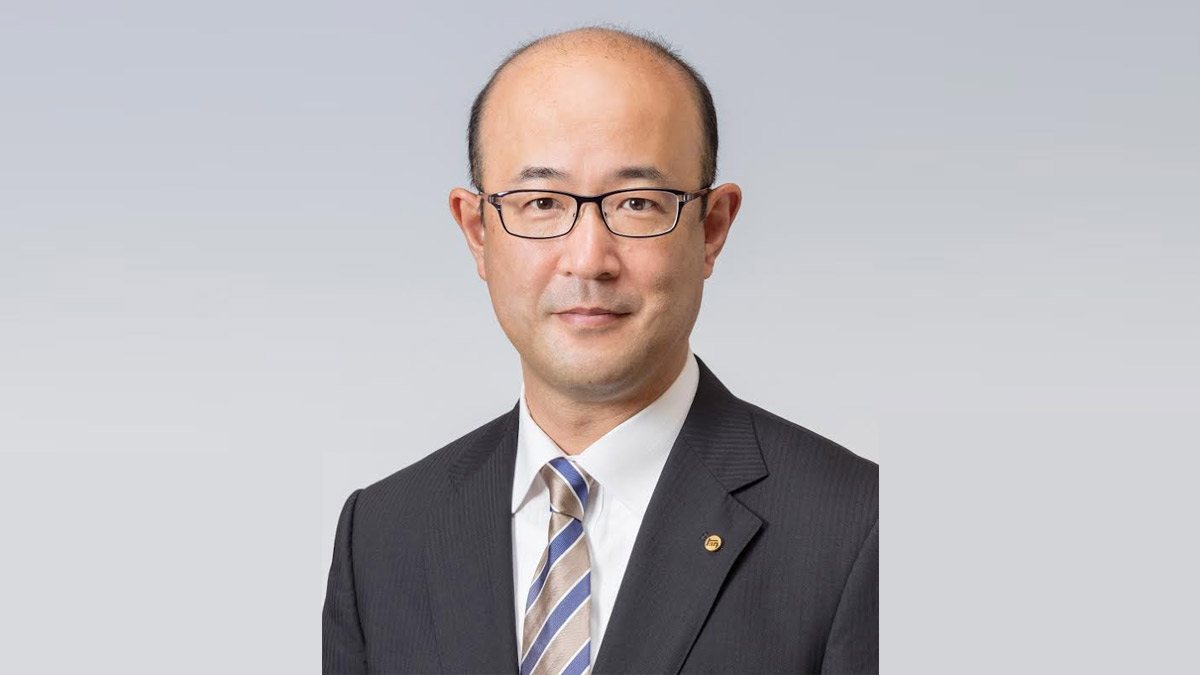
Toyota appoints Kenta Kon as President & CEO
New leader to steer EV push and global innovation amid industry shift.
MUMBAI: Toyota just handed the keys to a new driver because when the road to electric mobility gets twisty, you need someone who knows how to accelerate without skidding. Toyota Motor Corporation has named Kenta Kon as its new president and chief executive officer, a key leadership transition as the Japanese giant doubles down on its transformation in the fast-evolving global automotive landscape.
Kon brings deep expertise in automotive innovation, business strategy, and operational leadership to the top job. His appointment signals Toyota’s intent to sharpen focus on accelerating electric mobility, strengthening worldwide operations, and pushing customer-centric breakthroughs in next-generation technologies.
The company is betting on Kon to guide it through the industry’s pivotal shift toward sustainability, digital integration, and smarter mobility solutions. Key priorities under his watch include ramping up electric and hybrid lineups, expanding global market reach, driving cutting-edge automotive R&D, tightening supply-chain efficiency, and scaling connected and intelligent vehicle ecosystems.
This move comes at a time when legacy automakers face intense pressure to balance heritage strengths with aggressive electrification timelines and software-defined vehicle demands. Toyota aims to reinforce its position as a leader in sustainable, reliable, and future-ready mobility while navigating competitive challenges from both traditional rivals and new-age EV players.
For a brand that’s long defined durability and innovation, Kon’s elevation isn’t just a title change, it’s Toyota flooring it toward the next lap, ready to turn today’s tech talk into tomorrow’s showroom reality.

Brands
Janhvi Kapoor teams up with Amaha to spotlight alcohol addiction
‘Off the Rocks’ aims to shift stigma to science in mental health discourse
MUMBAI: Janhvi Kapoor has partnered with Amaha to launch Off the Rocks, an awareness-led initiative that seeks to reframe alcohol addiction as a clinical mental health condition rather than a moral failing.
The initiative comes at a time when alcohol consumption is increasingly normalised in social settings, yet awareness around dependency and addiction remains limited. According to estimates, nearly one in five alcohol users in India may face addiction, but many continue without diagnosis or access to professional care, often held back by stigma or lack of understanding.
Kapoor said the idea for the campaign stemmed from a gap she has observed in public conversations. “The conversation around alcohol is either completely absent or deeply judgmental, and neither serves the people who actually need support,” she said. “Alcohol addiction is real, it’s clinical, and it affects people across every walk of life.”
Off the Rocks is designed as a long-term, multi-format effort rather than a one-off campaign. It will feature expert-led discussions, personal stories, and accessible content aimed at building awareness, reducing stigma, and guiding individuals towards professional help.
To ensure clinical depth, Kapoor has teamed up with Amaha, a full-spectrum mental health organisation with a large network of psychiatrists and psychologists. The organisation brings both infrastructure and expertise, particularly in treating moderate to severe mental health conditions, including alcohol use disorder.
“Addiction sits at the intersection of neuroscience, psychology, and lived experience, and remains one of the most stigmatised conditions we see,” said Amaha founder and CEO Amit Malik. He added that the initiative would help connect public awareness with credible, evidence-based care.
Amaha currently operates across multiple cities with in-person centres and digital services, offering therapy, psychiatry, and self-care tools in several languages. Its platform has reached millions globally, reflecting a growing demand for structured mental health support in India.
With Off the Rocks, Kapoor and Amaha are attempting to shift the narrative from blame to understanding, and from silence to support. If it succeeds, the initiative could help more people recognise when social drinking crosses the line and, more importantly, where to turn next.