Hollywood
Hollywood’s ultimate streaming war ends with a whimper—and a whopper of a deal
Netflix folds, Paramount wins, and Warner Bros finds itself a new dance partner


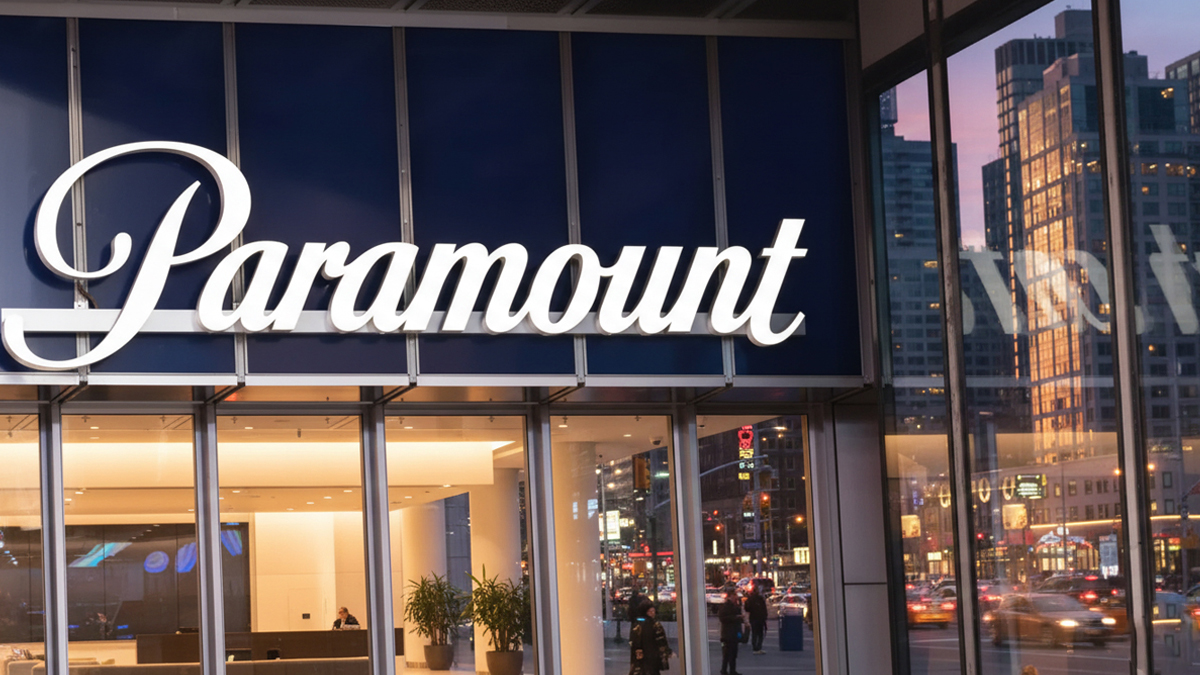
NEW YOR & LOS ANGELES: Netflix has blinked. The streaming colossus walked away Thursday from its months-long pursuit of Warner Bros Discovery, handing Paramount Skydance a glittering Hollywood prize and setting up what could be the biggest media merger in years.
The denouement came swiftly. Warner Bros declared Paramount’s sweetened offer of $31 per share “superior” to Netflix’s $27.75 bid, and politely asked the streaming giant to raise its hand. Netflix politely told them where to go.
“At the price required to match Paramount Skydance’s latest offer, the deal is no longer financially attractive,” said co-chief executives Ted Sarandos and Greg Peters, with the studied coolness of men pretending they hadn’t just been outbid by a tech billionaire’s son. “This was always a ‘nice to have’ at the right price, not a ‘must have’ at any price.”
Translation: Larry Ellison scared them off.
The Oracle founder and one of the world’s richest men has been the invisible hand behind Paramount’s relentless pursuit of Warner Bros, bankrolling his son David Ellison’s ambitions with a commitment of $45.7bn in equity—up from $43.6bn previously—plus $57.5bn in debt financing from Bank of America Merrill Lynch, Citi and Apollo. Netflix, for all its swagger, had no appetite for a bidding war with a man who seemingly has no ceiling.
“There’s no point playing chicken with someone who won’t turn the wheel,” said a Netflix adviser, displaying a frankness one rarely hears on Wall Street.
If regulators wave it through, the deal reshapes Hollywood dramatically. Paramount would hoover up Warner Bros’ HBO Max streaming customers into its portfolio, absorb CNN, the Food Network and a clutch of sports rights, and stack them alongside its existing stable of Nickelodeon, CBS and Comedy Central. Two studios, two streaming platforms, two newsrooms—one colossal headache for antitrust watchdogs.
And headaches there will be. California’s attorney-general Rob Bonta has already signalled he’s watching closely, Democratic senators including Elizabeth Warren and Bernie Sanders have smelled political favouritism given the Ellisons’ ties to President Donald Trump, and European regulators may yet fancy a say. Paramount has hedged accordingly, raising its break-up fee to $7bn and agreeing to cover the $2.8bn Warner Bros would owe Netflix for ditching their earlier deal.
Warner Bros chief executive David Zaslav, sounding like a man who’d just won the lottery, declared the deal would create “tremendous value” and said he “can’t wait to get started.” David Ellison called it a triumph of “superior value, certainty and speed.”
For Hollywood’s army of writers, directors and crew—already battered by years of production cuts—the champagne will taste rather flat. Mergers of this magnitude invariably come with a chainsaw attached.