MAM
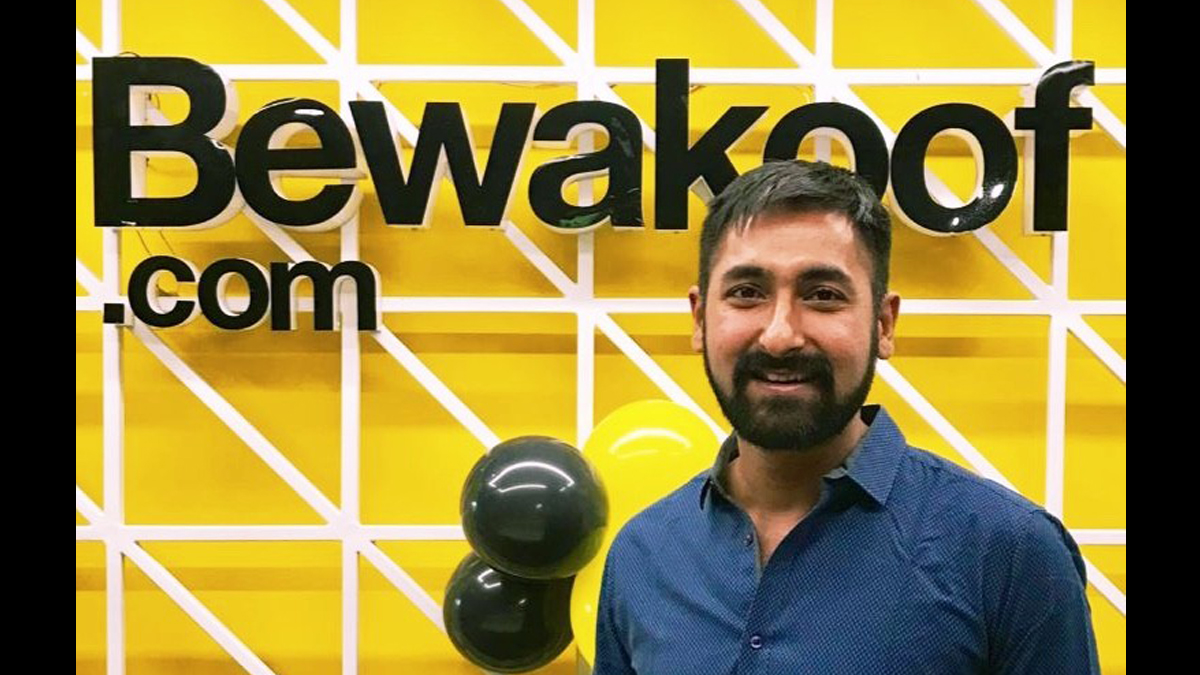
Bewakoof founder Prabhkiran Singh steps down after 14 years
CEO who built youth fashion brand from Mumbai room in 2011 to Rs 100 crore plus revenue exits end of March 2026.
MUMBAI: Bewakoof’s original designer is hanging up his entrepreneurial hoodie because after 14 years of stitching a brand from scratch, even the boldest founders need a well-earned breather. Prabhkiran Singh, co-founder and CEO of direct-to-consumer fashion label Bewakoof, announced on 24 February 2026 via LinkedIn that he will step down by the end of March to focus on health, family, and personal goals. He will stay on through the transition to ensure a smooth handover.
Singh launched the brand in 2011 at age 21 in a small Mumbai room alongside a fellow engineer, with no prior business experience, no venture capital, and a youth-focused apparel idea that he admits looked “almost foolish” at the time. Operating on shoestring resources often handling deliveries and customer queries themselves, the duo grew Bewakoof into one of India’s early breakout D2C fashion players. The company now ships over 20,000 products daily, crossed Rs 100 crore in revenue, and commands a social media community exceeding 6 million followers.
“Bewakoof has been my baby since I was 21 years old,” Singh wrote. “Bewakoof raised me while I was raising it.” He credited the journey with teaching him resilience, leadership, and the grit to push through tough stretches.
The brand, now backed by TMRW (a digital-first venture under Aditya Birla Group), has a strengthened leadership team in place. Singh called it his “firstborn” and said the “14-year-old ‘child’ we raised is now all grown up and ready to soar on its own.” He plans to cheer from the sidelines and share untold stories from the company’s early days in coming weeks.
His exit arrives as India’s D2C space enters a consolidation phase, with legacy conglomerates snapping up digital brands and founders after a decade of high-octane growth increasingly reassessing long-term roles. For a label built on bold prints and youthful energy, Singh’s departure isn’t an end, it’s the quiet close of one chapter so the next can print even brighter.

Brands
33 per cent of women believe the salary scale is rigged: Naukri report
Voices @ Work study finds rising calls for equal pay audits and lingering bias
MUMBAI: Progress may be visible in India’s workplaces, but many women still feel the need to tread carefully. A new report by Naukri reveals that one in two women hesitate to disclose marriage or maternity plans during job interviews, worried that such information could influence hiring decisions.
The findings come from the second edition of Naukri’s annual Voices @ Work International Women’s Day report, titled “What Women Professionals Want.” Drawing insights from more than 50,000 women across over 50 industries, the survey sheds light on evolving workplace aspirations alongside the biases that continue to hold women back.
One of the report’s most striking insights is the growing demand for equal pay audits. The share of women calling for regular pay parity checks has climbed to 27 per cent this year, up from 19 per cent a year ago. The demand now stands alongside menstrual leave as the most sought after workplace policy.
Interestingly, the call for pay transparency grows louder higher up the income ladder. Nearly half of women earning between Rs 50 lakh and Rs 1 crore annually say equal pay audits are a priority, suggesting that pay gaps become more visible as women move up the career ladder.
At the same time, confidence and ambition appear to be rising. About 83 per cent of women say they feel encouraged to pursue leadership roles, a significant jump from 66 per cent last year. Cities in southern India appear particularly supportive, with Hyderabad leading the way as 86 per cent of respondents there reported encouragement to step into leadership positions. The education sector recorded the highest sense of encouragement at 87 per cent.
Yet the report also highlights a growing trust deficit around pay equity. Nearly one in three women, or 33 per cent, say they do not believe men and women are paid equally at their workplace. That figure has risen from 25 per cent last year, pointing to widening perceptions of disparity as careers progress.
Bias in hiring and promotions continues to be the biggest hurdle. About 42 per cent of respondents say workplace bias is the main challenge for women from diverse backgrounds. The concern is consistent across major metros, with Chennai and Delhi NCR reporting similar levels.
Reluctance to discuss personal milestones during hiring processes is also widespread. While 34 per cent overall said they hesitate to share marriage or maternity plans in interviews, the anxiety increases with experience. Among professionals with 10 to 15 years of work experience, the figure rises to 40 per cent.
Info Edge group CMO Sumeet Singh, said the data reflects both progress and unfinished work. “Behind every data point in this report is a woman who is ambitious. The fact that 83 per cent feel encouraged to lead is something to celebrate. However, the fact that one in two still hide their marriage or maternity plans in interviews tells us the work is far from done. As India’s leading career platform, it felt not just important but necessary for us to shine a light on these gaps through the second edition of our report,” he said.
The report suggests that while ambition among women professionals is growing, structural changes around pay transparency, fair hiring and supportive policies will be key if workplaces hope to keep pace.