DTH
Dish TV Q3 revenues fall 20 per cent, Ebitda turns negative

NOIDA: When the remote stops working, you don’t throw it away, you change the batteries. Dish TV is trying something similar. Faced with falling subscription revenues and a fast-shrinking DTH universe, India’s once-dominant satellite broadcaster is flipping channels, betting on smart TVs, OTT aggregation and a hybrid future even as the numbers flash red.
For the quarter ended 31 December, 2025, Dish TV India reported operating revenues of Rs 2,991 million, down 19.8 per cent year-on-year from Rs 3,730 million. Subscription revenues, still the backbone of the business, fell sharply by 32.2 per cent to Rs 2,245 million, reflecting industry-wide cord-cutting and persistent churn. The pain shows up clearly below the line.
Ebitda swung to a loss of Rs 415 million, compared with a profit of Rs 1,227 million a year earlier. Total expenditure climbed 36.1 per cent to Rs 3,406 million, pushing costs to nearly 114 per cent of operating revenues. The quarter closed with a loss before tax of Rs 2,762 million, weighed down further by exceptional items of Rs 700 million. Yet the company insists this is not a business stuck buffering, but one deliberately loading a new format.
Dish TV is repositioning itself from a pure DTH operator into what it calls a connected-home entertainment platform, stitching together live television, OTT apps and smart devices. The centrepiece of that strategy is the nationwide rollout of VZY smart TVs, offering a unified DTH-plus-OTT experience.
Amazon Prime Video has now been integrated across Dish TV’s ecosystem, including Watcho and VZY. Watcho, the company’s in-house OTT super app, has crossed millions of downloads and paid subscribers, aggregating more than 25 content apps.
Fliqs, its creator-driven content platform, is being pitched as a home for premium regional and international programming. Brand visibility has also been boosted through splashy partnerships with Bigg Boss Hindi and Bigg Boss Kannada: high-decibel bets in a crowded attention economy.
“Indian home entertainment is undergoing a structural shift,” said CEO and executive director Manoj Dobhal arguing that Dish TV’s hybrid model improves convenience while keeping customers within a single ecosystem. The revenue mix shows early signs of diversification, even if it is not yet compensating for falling subscriptions.
Marketing and promotional fees rose 27.3 per cent to Rs 399 million, while advertisement income, still small, nearly doubled to Rs 48 million. Other operating income surged 267.6 per cent to Rs 298 million, softening the overall revenue decline.
On costs, the company is tightening the screws. It has renegotiated transponder contracts, rationalised call-centre and general expenses, and improved asset discipline by boosting set-top box recovery beyond 30 days, reducing swap frequency and replacement capex.
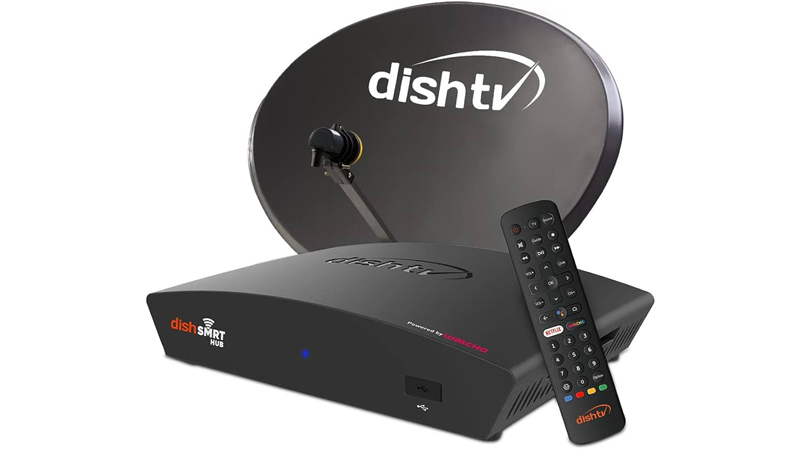
New customer activations are being driven through a no-subsidy Rs 999 set-top box, a move management says materially improves unit economics and cash flow. Still, risks remain stubbornly in view. Churn continues to shadow the business, and scaling Watcho while balancing content spend will demand execution discipline.
Cost cuts, the company admits, must not erode service quality: a delicate act in a market where customer loyalty is already thin. For now, Dish TV’s numbers tell a story of strain.