I&B Ministry
MIB calls for battle plan against digital pirates

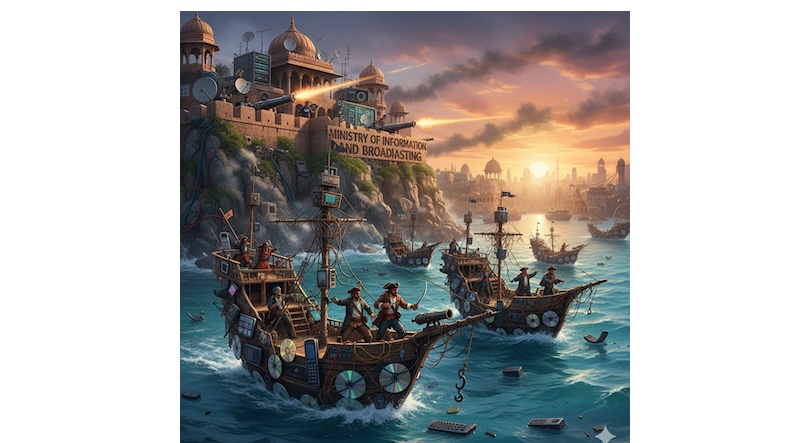
NEW DELHI: India’s information and broadcasting ministry (MIB) has thrown open the floor to industry heavyweights, demanding fresh ammunition in the war against digital piracy. The call comes as film studios, streaming giants and broadcasters nurse mounting losses from rampant content theft.
Kshitij Aggarwal, deputy director for digital media, issued the public notice on 7 November, giving stakeholders just 20 days to fire off their grievances and game plans. The ministry wants the lot: technological fixes, enforcement strategies, global best practices that might work in India’s chaotic digital bazaar.
The targets are clear. Film piracy bleeds the industry dry. Illegal streaming sites mock OTT platforms. Bootleg broadcasts undercut television channels. The ministry reckons a comprehensive overhaul is overdue, one that ropes in everyone from telecom providers to intermediary platforms.

Four questions frame the consultation. What makes pirated content so devilishly hard to spot and kill? Where do enforcement mechanisms spring leaks? Which international tactics deserve a Mumbai makeover? And how can platforms, government agencies and rights holders stop tripping over each other?
Responses should land at digital-mediamib@gov.in before the deadline expires. Whether the ministry’s inbox fills with revolutionary ideas or tired platitudes will determine if India finally gets serious about protecting its content creators—or if the pirates keep plundering with impunity.