Hindi
Don to Munna Bhai: Ultra Media’s 2025 Report maps OTT viewing trends

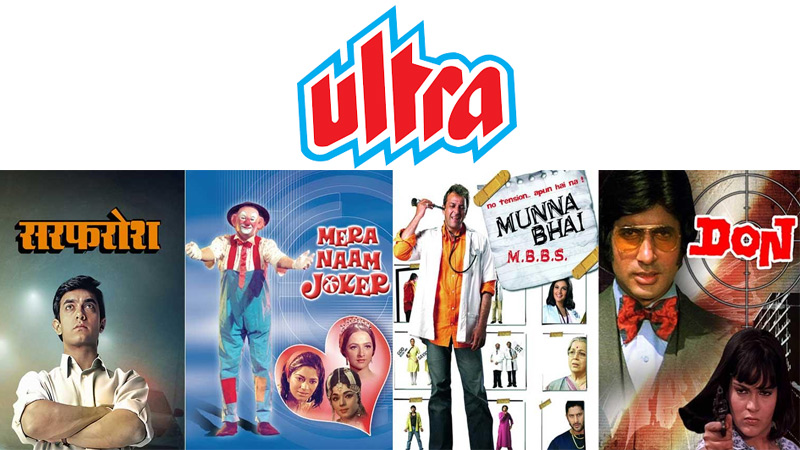
MUMBAI: If you thought old Hindi films lived only in memory lanes and Sunday television slots, India’s OTT habits in 2025 tell a very different story. From Amitabh Bachchan’s swaggering Don to Raj Kapoor’s epic Mera Naam Joker and the ever-popular Munna Bhai M.B.B.S, classic cinema enjoyed a remarkable digital revival this year, according to the Ultra Media OTT Insights Report 2025.
Released by Ultra Media and Entertainment Group, the data-driven report offers a revealing snapshot of how Indian audiences streamed films in 2025 and the verdict is clear. Viewers may love the new, but they still have a deep affection for the timeless.
Post-2000 Hindi blockbusters dominated viewing on Ultra Play, emerging as the platform’s biggest drivers of watch time, engagement and completion rates. Close behind were 1990s favourites, which delivered strong repeat viewing, while films from the 1950s to the 1970s continued to command a loyal following.
Among pre-1980 classics, Don, Amar Prem, Bobby, Aradhana and Mera Naam Joker topped the charts, consistently outperforming other catalogue titles. Meanwhile, films from the 1990s and early 2000s such as Munna Bhai M.B.B.S, Andaz Apna Apna, Sarfarosh, Tezaab, Karan Arjun and Ghayal recorded the highest watch time and repeat consumption.
Restoration also proved to be a winning move. Digitally restored titles like Rangeela and Sarfarosh outperformed comparable films, clocking higher-than-expected engagement and completion rates. Other restored gems, including Pyaasa, Half Ticket and Pardes, added further weight to the catalogue.
Perhaps the most striking insight is who is watching. Classic cinema is no longer the preserve of older viewers. Gen Z audiences are discovering legacy films for the first time, turning nostalgia into fresh curiosity rather than simple revisits.
Geographically, metros such as Delhi and Mumbai led consumption, followed by Pune, Hyderabad, Ahmedabad, Jaipur and Patna. Across regions, audiences showed a clear appetite for post-2000 blockbusters, action thrillers, South Indian dubbed films and Hindi classics.
The platform’s audience skewed young and male, with an 80:20 male-female ratio, and nearly 70 per cent of viewers aged under 44, led by the 18 to 24 age group.
Ultra Play also reported strong business momentum, recording 250 per cent year-on-year growth in 2025. Festive viewing surged nearly 300 per cent, supported by the addition of over 700 new titles.
Ultra Media and Entertainment Group CEO Sushilkumar Agrawal said audiences connect with stories, not eras. When classic films are restored and curated well, they can stand shoulder to shoulder with modern releases, he noted.
COO and director Rajat Agrawal echoed the sentiment, adding that Ultra’s journey from VHS to OTT has always centred on preserving and monetising great stories.
Looking ahead, Ultra expects its subscriber base to cross 500,000 by 2026 and reach one million by 2027, aided by platform upgrades such as improved navigation, offline viewing and enhanced streaming quality.
In 2025, it seems, Indian cinema proved one thing beyond doubt. A good story never goes out of fashion, it just finds a new screen.