iWorld
How Netflix is cracking the Indian market

MUMBAI: India is no longer Netflix’s great white hope—it’s the real deal. The world’s most populous country has become the streaming giant’s number two market for paid subscriber additions and number three for revenue growth in the second quarter. Not bad for a company that spent years struggling to crack a market where price sensitivity makes Scottish frugality look positively spendthrift.
Theodore Sarandos, co-chief executive, is pleased but unsurprised. Speaking on Netflix’s Q4 earnings call, he dismissed suggestions that India’s surge was merely a content blip and that the growth can only continue in the sub-continent quarter-on-quarter.
“India’s growth is a story that we see around the world,” he said, pointing to the company’s tried-and-tested playbook: nail the content-market fit, attract members, keep them hooked, then watch the revenue roll in. “It’s the same formula everywhere we go.”

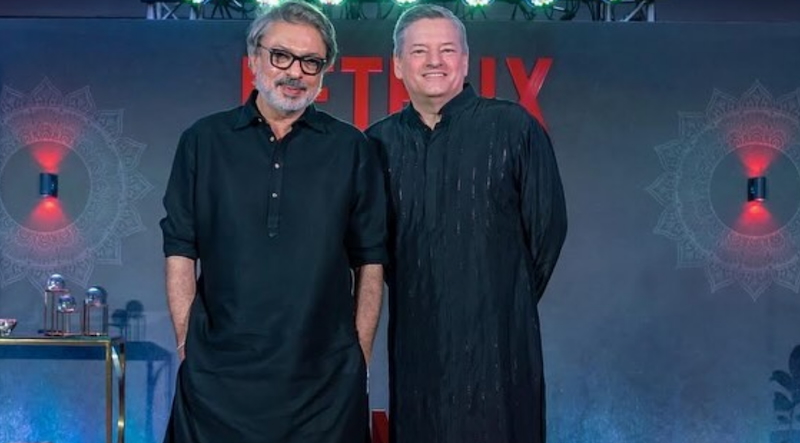
But the second quarter’s performance wasn’t just formulaic—it was spectacular. Sanjay Leela Bhansali, one of India’s most celebrated filmmakers (known simply as SLB to devotees), delivered what Sarandos called “this incredibly ambitious series.”
Bhansali directed every single episode himself, a Herculean feat in television, and the result is Netflix’s biggest drama series to date in India. When Indian cinema royalty commits that hard, punters notice.
The SLB series sits atop a growing mountain of local hits. Netflix has been shrewd about licensing films fresh from their theatrical runs—the so-called pay-TV window—as well as commissioning original films that resonate with Indian audiences. “We pick them well. We programme well,” Sarandos said, with the confidence of someone who’s finally figured out the recipe after years of experimentation.
The strategy is deceptively simple: improve product-market fit, boost engagement, grow subscribers, grow revenue. But executing it in India—where JioHotstar dominates with cricket rights and local languages fracture the market into dozens of micro-audiences—requires precision. Netflix appears to have found its groove.
Sarandos was quick to note there’s “plenty of room to grow in India” so long as Netflix keeps “thrilling” audiences. That’s corporate understatement at its finest. India has over 1.4 billion people, roughly 450 million households, and a rapidly expanding middle class with disposable income and an insatiable appetite for entertainment. Netflix’s current subscriber base there is a rounding error compared with the potential.

The India success story also validates Netflix’s global content strategy. Rather than force-feeding American shows to international markets, the company has invested heavily in local production teams who understand regional tastes, star systems and cultural nuances. What works in Mumbai doesn’t always work in Manchester, and vice versa. But when a show does work locally, it often finds a global audience—Netflix’s Indian hits frequently chart in dozens of countries.
The numbers tell the tale. India isn’t just growing—it’s accelerating. Second place for subscriber additions and third for revenue growth in a single quarter suggests Netflix has moved beyond the experimental phase into proper scale. The combination of prestige projects like the SLB series, smart licensing deals and an expanding library of original films has created a flywheel effect.
Of course, challenges remain. India’s average revenue per user is far lower than in the United States or Europe, which is why subscriber growth outpaces revenue growth. Price competition is fierce, with multiple streaming services vying for eyeballs and rupees. And cricket—the national religion—remains largely locked up by JioHotstar, giving them a structural advantage during major tournaments.
But Netflix isn’t trying to be everything to everyone. It’s carved out a niche as the home for premium storytelling—the place where India’s top filmmakers and actors come to take creative risks without the constraints of the traditional studio system or the Indian cinema box office. The SLB series is exhibit A: ambitious, expensive, and exactly the sort of project that reinforces Netflix’s brand positioning.
Sarandos’ confidence isn’t misplaced. Netflix has been building towards this moment for years, assembling the content library, refining the user experience, and learning which stories resonate. The fourth quarter’s results suggest the investment is paying off. India is no longer a market where Netflix is merely present—it’s a market where Netflix is winning.
The real question is whether Netflix can maintain the momentum. One blockbuster series doesn’t make a trend, but a consistent pipeline of hits does. If the company can keep delivering the goods—more SLB-calibre projects, more smart licensing deals, more films that audiences can’t stop talking about—then India could eventually rival the US as Netflix’s most important market.
For now, Sarandos and his team are content to follow the formula: thrill the audience, watch the numbers climb, rinse and repeat. It’s working in India. It’s working everywhere else. And with “plenty of room to grow”, Netflix has only just begun to scratch the surface. The Indian film world has met its match.