Brands
Hospitality’s next act belongs to AI, robots and reskilled humans

Switzerland: Hospitality is done with recovery. It is now rewiring itself. A new white paper from Les Roches argues that the industry has crossed a structural threshold, where artificial intelligence, automation and human reskilling converge to redefine how hotels grow, compete and serve guests.
The Spark – The State of Hospitality Report 2025–2026, authored by Francesco Derchi with Ivana Nobilo and Rachel Germanier, pegs global hospitality at more than $5 trillion in value and growing at 5.5 to 6.5 per cent a year. The message is blunt. By 2026, technology adoption will no longer be a differentiator. It will be basic infrastructure.
The report identifies three forces shaping the next phase.
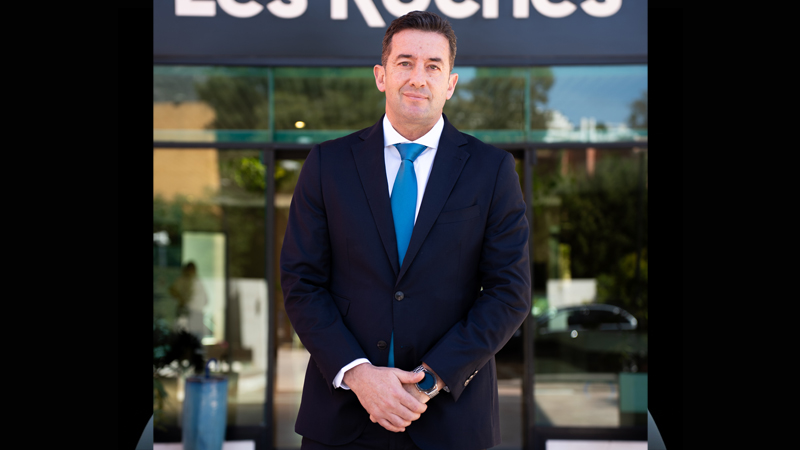
First, asset-light expansion. Hotel groups are shedding bricks and mortar in favour of brand-led, lifestyle-driven growth. Recent moves including IHG buying Ruby Hotels, Marriott backing citizenM and Hyatt acquiring The Standard underline a shift where operational efficiency and brand scale matter more than owning real estate. Carlos Díez de la Lastra, ceo of Les Roches, says the winners will be those who can scale concepts quickly while lifting margins through technology-led operations.
Second, AI-native distribution. Booking journeys are being rewritten by AI agents and recommendation engines, from specialist travel tools to general-purpose platforms. By 2026, the report says, cloud-native systems, AI-driven revenue management and API-ready connectivity will be mandatory. Clean data, loyalty-led offers and machine-readable inventory will decide visibility. Derchi says operators must optimise for AI agents or risk disappearing from the funnel.
Third, robotics and automation. What was once a gimmick is becoming industrial-grade. Delivery and cleaning robots are spreading across hotels to offset labour shortages and lift productivity, with the market growing at about 25 per cent a year. Germanier notes that automation is less about replacing people and more about redeploying them, with machines handling repetitive tasks and humans delivering empathy.
Yet the report’s sharpest point is human. Technology sets the pace, but people still set the tone. Nobilo argues that reskilling in data literacy, digital fluency and automation management is no longer optional. Emotional intelligence and creativity, paired with technical competence, will define leadership in hospitality’s next decade.
The verdict is clear. Hotels can buy software, lease robots and license brands. What they cannot outsource is judgement, experience and trust. In 2026, hospitality’s edge will belong to those who master the machines and still know how to look a guest in the eye.