News Broadcasting
“In the next one-two years, there will be five or six mature media players”

|
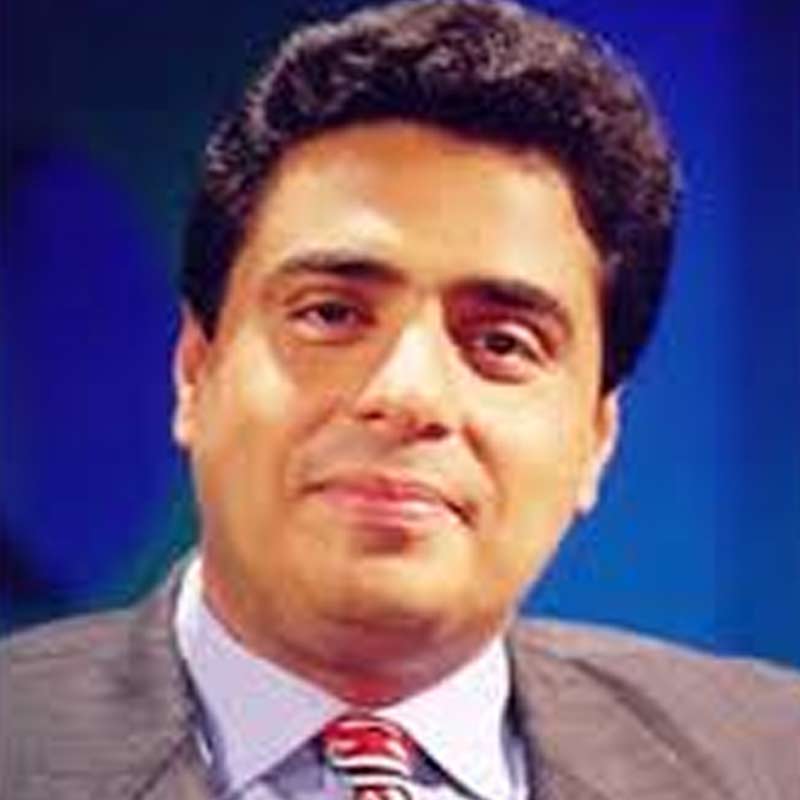
It may just all be finally coming together for UTV group CEO Ronnie Screwvala. His organisation has regrouped in the last year and there is clarity as to what the company’s growth engines are. Another year or year-and-a-half, is the time frame he sees for the multiple revenue model path he has taken to achieve some degree of maturity. Then, he might be ready to go public (there are no compulsions either way, he stresses). In conversation with indiantelevision.com’s Thomas Abraham, Screwvala touches upon a number of issues related to the group’s businesses, the children’s channel he plans to launch and the company’s corporate vision. Excerpts: |
||||||
|
Let’s talk about the announcement on the animation front. Are these the biggest projects UTV has handled thus far? And is UTV going to another level as far as its animation business is concerned? As far as where we are today, we are the only people in India who are in 2-D, flash technology and 3-D, in terms of producing in each of these three models. Having said that, we do believe that this whole animation industry has been hyped a little bit too much. That is of concern to us only because the expectations get to be quite high in the industry. Scalability-wise, this is not a BPO (business process outsourcing) model, because the BPO model works on services that have a vast mass appeal. The size of the animation market is just not that big. What we can realistically look at is capturing a two to four per cent market share. Because we have got competition from Taiwan, Korea, Philippines and China on one side. We’ve also got Eastern Europe and wherever else, who were doing fine during the boom times. But in the last two to three years there has been a fair amount of restructuring happening. There has been a slowdown in original content being created for animation. For two reasons: One, the three biggest grant countries that actually fund animation creation – UK, Canada and France – have cut back significantly. The second is that overall, because of the advertising recession, obviously, people are looking closely at programming budgets. Now, the easiest thing to repeat, even on a mainline network, is kids and animation software. Coupled with that there are huge facilities in Taiwan, Korea, China, etc, that are already there. So if they need to be competitive they can easily become that because the infrastructure is already in place. Additionally, you can’t really take this as a people trade and take it forward as there is a fair amount of creative input involved. Now while I believe there is a huge creative talent pool in this country, it is not trained for animation. We are 10 years behind the rest of the gang in this, and it will take us three to four years to catch up, which will also take a fair amount of investment. Keeping all this in mind, the reason that we’ve embarked on these projects is that the service model, really, is not a scalable model and growth in that is not as people expected it to be. |
||||||
|
||||||
|
What is the real market size? You can’t move in that direction. You need a roadmap to move from $10-$15 million to $750 million. So our thrust in animation is that we look at it more as a technique rather than a genre. Basically what that means is that to us it’s a technology, just one part of our content services. So we see animation as part of our overall content creation story. In 2-D we will therefore look at this route of co-productions. When it comes to 3-D and Flash, because we have our post-production facilities in USL (UTV subsidiary United Studios Ltd), it is a hugely scalable operation. So that’s our positioning and where we see ourselves going over the next two, three years. Number 1, to be a good co-producer base for anyone who is looking at that and Number 2, to be a service model in flash and 3-D, and scale that up to whatever size anybody wants. And with a huge word of caution to everybody that this is not such a scalable business, frankly. |
||||||
|
What about operations like Toonz Animation India, creating original content. That’s not the BPO model. How do you see that as a business model? It is very easy for us to do an Amar Chitra Katha, Hanuman and Ramayan. It’s not going to travel. So it’s a tough one. I think it’s a very brave thing that Toonz is doing out there. They’re looking at trying and syndicating it (their content) in one or two markets. I don’t see how the shows can travel. |
||||||
|
But if you take that line then the question comes, why have you chosen to produce this new animation show Kahin nak na kut jaaye you’re pitching for Hindi prime time? |
||||||
|
||||||
|
How do you scale it down so immensely? There are 400 series being pitched. I need a USP then. The post-production has to happen there because they want those sound qualities. Not because the sound quality here is bad. But that’s a prerequisite before you get to a Warner or Disney. The minute I engage a screenplay writer from overseas to do the scripting for The Infinite Darcy (UTV’s new co-production), I’m down $15,000 per episode. I’m not paying $15,000 for any scriptwriter here of any measure. That’s the scalability. So when I’m looking at a project for Rs 10 lakhs, it’s a very sellable project on prime time. Plus, then my load to syndicate it worldwide, is very little. I will have more or less recovered the cost with the first airing. |
||||||
|
How far are you from seeing Kahin nak na kut jaaye on air? |
||||||
|
Are you looking at the big private broadcasters for this? |
||||||
|
||||||
|
That brings it down to Star, Zee or Sony? |
||||||
|
Now that Ram Mohan has left, who provides the creative driving force at UTV Toons? We’re originating content now, so project to project we go with whatever the requirement may be. |
||||||
|
||||||
|
I’ll just veer into the CAS debate for a bit. Now that the CAS picture is clearing up somewhat, what do you see developing vis-a-vis the main entertainment channels? The big fear of a pay channel blackout killing advertising has receded, so how does it pan out? |
||||||
|
There was talk, and that too, on record. Number two, if an environment changes then you’ve got to cut your coat according to your cloth. But as you sow, so shall you reap. Whereas I believe, and necessarily so, that the reverse should be the case. In a post-CAS environment, everyone’s going to look for that part of content that makes a difference for them. So if Sony and Zee want to see that their subscriber base rocks right now, when they’re not in the Top 50, and they can easily be in the Top 50, they’ll need those two or three tent-pole programmes, from that point of view. So I think that is really the key part there. |
||||||
|
You have said in an earlier interview with us that you’re looking at DD more closely now and that you expect to have a greater exposure on DD in the coming months. Could you offer more specifics? |
||||||
|
||||||
|
Already on? |
||||||
|
How many hours of TV software is UTV producing daily/weekly average and what is the mix? That’s a total of 78 half hours a week. So if you look at it from a TV production point of view we are definitely the largest out here. |
||||||
|
Which are UTV’s most successful shows? |
||||||
|
Shagun used to be your top afternoon soap. |
||||||
|
Are you going to bump somebody off? That seems to be the standard routine these days to jack up TRPs. So Bhabhi’s doing very well. The other show that has done well from Day 1 is Shararat. And of course, in its segment of kids shows, Shakalaka Boom Boom is doing very well. We’ve also been quite happy with Khichdi, which is a different sort of comedy. |
||||||
| What about regional? We’ve got Annamalai, which is doing very well. And Appa and Avarugal. These are our top three (all on Sun TV) shows. We’ve just launched a new show on Vijay (in which UTV holds 49 per cent stake) called Salanam. |
||||||
| Any new shows coming up on Hindi private channels? No. At the moment, everyone has slowed down on their decision-making anyway. So everything will be September, October launches. |
||||||
| The International Television Academy of Television Arts and Sciences, which hosts the annual Emmy Awards, has appointed you early last year onto its Board of Directors. Does that entail anything beyond jury duty? Once a quarter different people from all over the world meet together and form a forum. So to a great extent it’s about exchanging ideas and networking. From that a lot of things open up. You can pick up a format, you can get into a co-production. For example, we just completed a 26-series co-production with a Canadian company called The Asian Cuisine Show. It was shot in India and Bangkok, Thailand. It’s premiering on Star World. It’s already completed its run on PBS in the States and Canada. So those kind of opportunities would come in. |
||||||
|
What happened to CNN? You had a slot there? |
||||||
|
||||||
|
UTV has three main revenue streams in TV production, animation, motion picture production and distribution as well as allied content activities like corporate ad film production and post-production studios. What is the income break up among these four areas of the company’s activities? In television, we work on two (revenue) models. One is content creation, and the second is co-production and airtime sales, which includes the south shows we do. All of that together makes up television. Then we’ve got movies. And then we have allied content. Content creation is everything that we do, which is fiction, non-fiction to a certain extent, when we do a BBC or whatever else, and animation. To us, animation is part of TV content. Allied content is post-production, which is USL, and includes ads, dubbing and in-flight programming. |
||||||
|
How does it break up revenue-wise? So when you’re looking at the potential of listing, out of the 30 listed media companies today, with the sole exception of Zee, there isn’t a business model. Now of course Balaji (Telefilms) has done exceedingly well in the last three years, but today, for what they’ve done, they should have a market cap of at least ten times of what they are. The only reason they’re quoting at 4 PE (price to earning ratio) is because people who invested two years back were looking at 18 PE because they were investing in the future. Now they can’t see the next big leap. For that you need to see management depth and their ability to be able to handle success like this in multiple areas. So that’s where the challenge is. Take another model like (Subhash Ghai’s) Mukta Arts. Sitting on a lot of cash just like Balaji. He’s sitting on Rs 70 crores (Rs 700 million). But today his market cap is Rs 60 crores. That means he has a negative Rs 10-crore valuation. If you look at any of the other plays out there, they are all quoting at nothing for the simple reason that nobody can see a multiple revenue stream model. That’s the biggest challenge. I do believe that going forward in the next one-two years, there will be five or six mature media players. The rest of them will either consolidate in some form or the other or may just languish or may get de-listed. Unless they come up with multiple revenue models, which is tricky because most of them have used all of their IPO money without coming up with a multiple revenue model. Now coming to UTV’s revenue mix. Airtime sales contributes about 30 per cent, TV content about 35 per cent, movies constitute about 15-20 per cent, and allied content the balance 15-20 per cent. |
||||||
|
||||||
|
According to you, in which areas has UTV fallen short of expectations and what are the correctives, if any, you’ve instituted going forward? We’re cogniscent of missing the beat, about two years back. I think we’ve clearly regrouped in the last year. We’re clear what our growth engines are. To bring about more focus we’ve augmented management teams. As far as the culture of these organisations go each of these activities are run as independent companies. I think true growth is going to come from tapping a mixture of domestic and international markets. |
||||||
| Looking to the year ahead, where are you expecting your maximum action among these streams? Television, movies. |
||||||
| But you’ve said movies constitute just 15 per cent of your total revenues. True, but in a year it can be a bumper. |
||||||
| What’s your feel on your movie business this year? This year we have only two projects – Chalte Chalte and LOC. |
||||||
| Chalte Chalte is dipping now, is it not? That’s how it goes. But as far as we’re concerned, we’ve more than recovered our investment. The India box office gross has crossed Rs 16 crores, while the international box office, just from UK and US alone, has crossed Rs 15 crores. The first week, Chalte Chalte was Number 6 in the UK top charts. In four weeks the gross collection was 1.2 million pounds while the US gross in four weeks was $ 1.6 million. |
||||||
| Last year when CDPQ Canada took a 15.8 per cent stake in the company, it was at a valuation of about Rs 300 crores (Rs 3 billion). Has the company value gone up, especially since you are doing well on the movie front and your serials on Star are also doing well? What is UTV valued at today? Till you’re listed it’s purely notional. |
||||||
| Is UTV cash flow positive at the moment? We are. |
||||||
| Could you disclose some figures? Till we’re public we’re not disclosing. |
||||||
| There is the inevitable question of an IPO. It is something you’d said you would look at in 2003. We’re already into the second half of the year and the markets are looking up so do we or don’t we have one coming up? Maruti has set the ball rolling as they say. At this point there is no compulsion to do so. But we are looking at listing at some point. If you ask when, once our multiple revenue streams mature, which I see taking a year or year-and-a-half, then it should be a good time. |
||||||
|
To conclude, can you sum up the vision you have for the company? The international distribution model is where the scalability in the movie industry is going to go forward. As I mentioned earlier about Chalte Chalte, with a 1 billion population all-India gross was Rs 15 crores, in the UK and US from a target audience of 2.5 million – Rs 15 crores. That trajectory is where the entire economics of the Hindi industry can change. Coming to the broadcasting space. We did believe that the regional language space is a big one, which is why we invested in Vijay TV. And to that extent we are happy with our 49 per cent stake in Vijay (the controlling 51 per cent stake is held by Star India). We do believe that the space of kids and children is something we have understood in the past, we’ve tracked it to a mini extent, and that’s where we really want to grow. If you get into that bracket, you’re basically tapping the next generation. If you got brand loyalty in the next generation, it can go into the movies genre, it can go into the content areas. |
||||||
|
Which is what Viacom has managed brilliantly… Diwali 2004 is when we want to start kindling it. Once we really have our plans in place it won’t take more than three to six months after that to kickstart the channel.
|