Digital
Unveiling the driving Forces Behind the Digital Marketing Boom in India
Mumbai: Digital marketing has become a force in the quickly changing field of marketing, revolutionizing the way companies interact with their stakeholders. Digital marketing is not just a passing fad in India’s diversified and vibrant landscape; it is a decisive and revolutionary force. We shall examine the causes of India’s thriving digital marketing industry in this post.
1. The Mobile Revolution: A Staple in Every Household
You see, mobile phones have transformed into our daily pals. It’s hard to find someone without a mobile phone these days, and here are the key reasons why:
Pocket-Friendly Internet: The cost-effective data plans are a hit, enabling everyone, even in the remotest parts of India, to stay connected online.
Smartphones for Everyone: With the prices going south and technology scaling up, smartphones are now a staple in almost every household.
A Multi-Utility Buddy: Mobiles are no longer just for calls; whether it’s work or leisure, they are our go-to companions for pretty much everything.
2. Spot-On Targeting: Making Every Penny Count
Now, digital marketing has fine-tuned the way brands communicate with us, bringing in a direct and personal touch. Here’s how it’s reshaping the communication sphere:
Tailored Conversations: Brands can now craft messages that resonate personally with varied groups, making the conversations more engaging and effective.
Cost-Efficient: The physical boundaries have blurred. Brands can connect with audiences seamlessly with minimal Sales Team, and without their heavy TA-DA bills, thanks to digital platforms.
Budget-Friendly Creativity: The digital space allows for creative narratives that don’t drain financial resources, providing an even ground for businesses of all scales.
3. Swift and Wallet-Friendly Outreach
Navigating through the vast Indian demographic has its challenges, but digital marketing is bridging gaps swiftly and economically. Here’s the game-changer:
Speed and Adaptability: Campaigns are now launched and altered at a pace we hadn’t imagined before, letting brands interact with millions effortlessly.
Reach without the Deep Pockets: Unlike the hefty investments in traditional media, digital marketing ensures a wide reach without overwhelming costs, guaranteeing a great return on investments.
At PromotEdge, we’re not just witnessing this exhilarating transformation; we are actively immersed in it, adding a vibrant ‘Desi’ touch to the digital marketing canvas. We’re here to make digital marketing approachable, fun, and a true representation of the myriad hues of India. In this digital age, we’re not just riding the wave, we are helping to steer it, adding a vibrant Desi colour to the landscape.
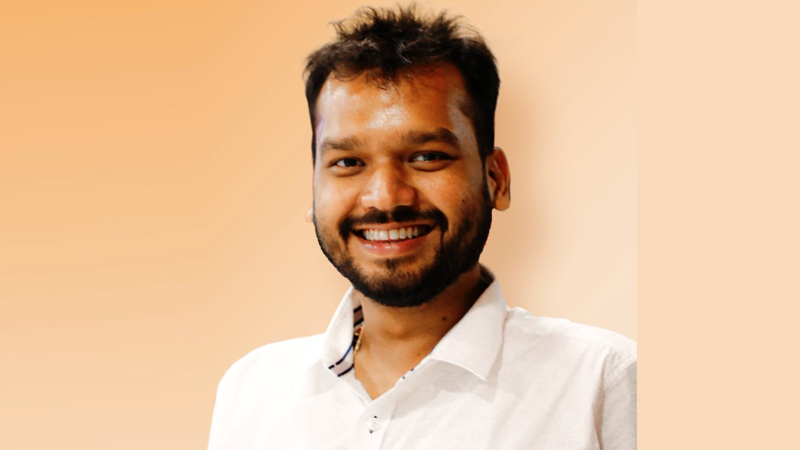
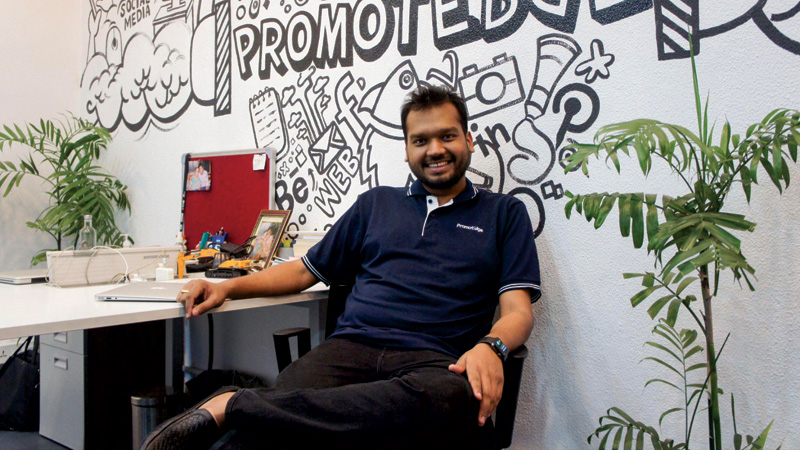
The author of this article is PromotEdge CEO & founder Saurav Agarwal.

Digital
Ethical AI must benefit society, not dominate it, says WFEB chief Sanjay Pradhan at IAA event
At Mumbai event, ethics expert urges businesses and governments to shape AI responsibly
MUMBAI: Artificial intelligence may be racing ahead at lightning speed, but its direction must still be guided by human conscience. That was the central message delivered by Sanjay Pradhan, president of the World Forum for Ethics in Business (WFEB), during the latest edition of IAA Conversations held in Mumbai.
The session was organised by the International Advertising Association (IAA) and the Artificial Intelligence Association of India (AIAI) in association with The Free Press Journal at the Free Press House on 7 March. Addressing a packed audience, Pradhan called for stronger ethical leadership to ensure AI remains a tool that benefits humanity rather than one that governs it.
“Artificial intelligence has rapidly become one of the most powerful technologies humanity has created,” Pradhan said. “It is unlocking breakthroughs in medicine, science and creativity at a pace unimaginable just a few years ago.”
But he warned that the same technology carries serious risks. AI, he noted, can amplify disinformation faster than facts can travel, compromise privacy, deepen discrimination and disrupt millions of livelihoods. Referencing concerns raised by AI pioneers such as Geoffrey Hinton, often called the godfather of AI, Pradhan stressed that the real challenge is not whether AI will shape the world, but whether humans will shape it with ethics and wisdom.
Structuring his talk around four guiding questions, why, what, how and who, Pradhan introduced the audience to WFEB’s emerging AI Ethics Partnership, a global platform aimed at advancing responsible artificial intelligence. He outlined four priority concerns that demand urgent attention: disinformation, bias and discrimination, data privacy and job security.
To make the idea of ethical AI easier to grasp, Pradhan offered a simple metaphor. Ethical AI, he said, is like a three layered cake. The outer layer represents the visible value ethical AI creates for businesses and society. The middle layer is organisational culture that moves ethics from written codes to everyday practice. The innermost layer, however, is the most crucial, the conscience of individual leaders.
Drawing from Indian philosophical thought through WFEB co-founder Ravi Shankar, Pradhan noted that while artificial intelligence can reproduce stored knowledge, true intelligence is boundless and rooted in conscience, creativity and compassion. Practices such as breathwork and meditation, he suggested, can help leaders develop the calm clarity needed for ethical decision making.
The event also featured a discussion with Maninder Adityaraj Singh, chief of staff and head of innovation at Rediffusion Brand Solutions Pvt Ltd, and Yash Johri, lawyer, Supreme Court of India.
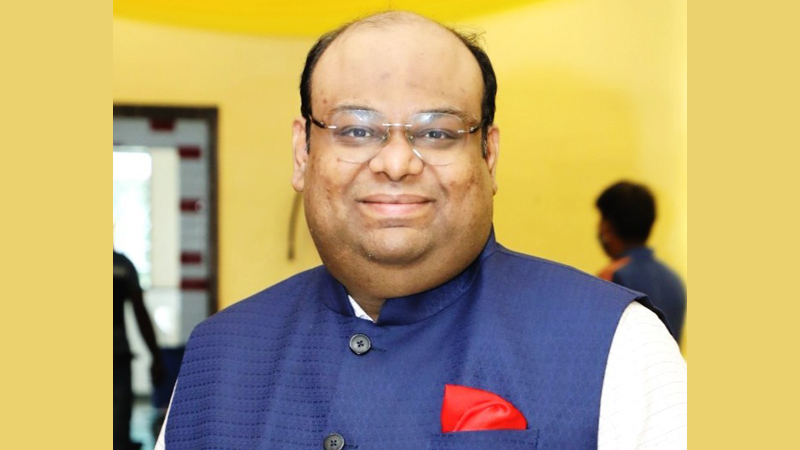
Opening the session, IAA India chapter president Abhishek Karnani, highlighted the need for industries to understand and engage with AI responsibly.
“AI has to be befriended and understood,” added Rediffusion managing director and AIAI national convenor Sandeep Goyal. “Its ethical use will determine whether it becomes a friend or a foe.”
As AI continues to reshape industries and societies, Pradhan ended with a simple but powerful call to action. Businesses, governments and individuals must work together to ensure that the algorithms shaping the future reflect human values rather than just cold logic.