News Broadcasting
MV Kamath appointed Prasar Bharati ch’man for 6 years

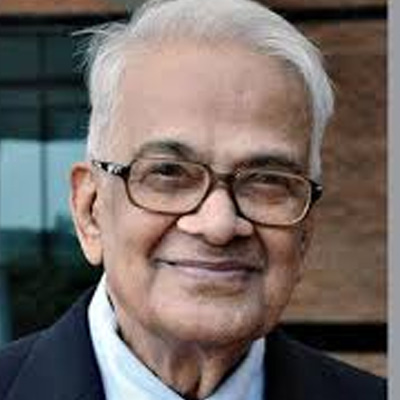
NEW DELHI: The President of India, on the advice of a selection board, has appointed M V Kamath as chairman of the Prasar Bharati board for a term of six years.
The order came into effect from 23 November 2003. The terms and conditions of his appointment shall be governed by the provisions of the Prasar Bharati (Broadcasting Corporation of India) Act, 1990 and the rules made thereunder.
The appointment of Kamath has been made under sub-section (1) of Section 4 of the Prasar Bharati Act. Prasar Bharati, an autonomous body, looks after the functioning of India’s pubcasters Doordarshan and All India Radio.

Earlier, Kamath, said to be close to the RSS (the ruling Bharatiya Janata Party’s parent organisation ), had been made the chairman of Prasar Bharati for the remaining period of the tenure of the previous chairman through an order dated 7 January 2003.
Kamath is the third chairman of the Prasar Bharati after Nikhil Chakravarty and Prof U R Rao, both of whom did not complete their full term of six years. Chakravarty, a veteran journalist like Kamath, died without finishing his tenure, while Rao quit citing personal reasons last year.
At a time when the government is looking at tightening its control over pubcasters Doordarshan and All India Radio, Kamath’s present tenure may turn out to be crucial for the future roadmap of DD and AIR.




News Broadcasting
News18 India to air Sabse Bada Dangal on 4 May counting day
Channel promises fastest results, live trends and analysis across five states.

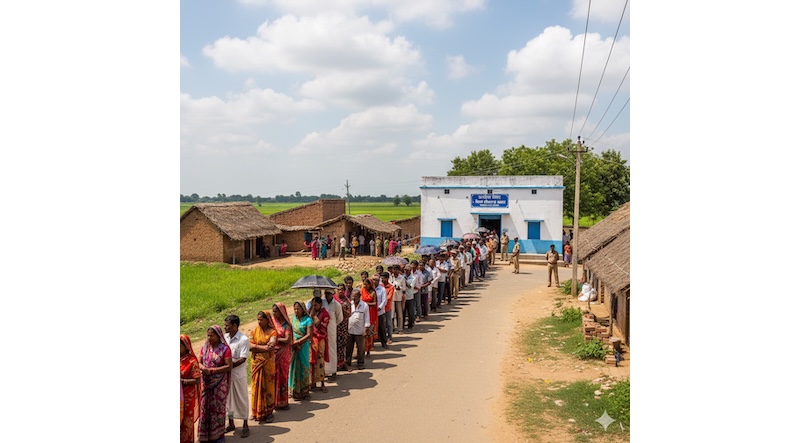
MUMBAI: Ballots will do the talking and screens will do the shouting. As counting day approaches for high-stakes Assembly elections across West Bengal, Tamil Nadu, Kerala, Assam and Puducherry, News18 India is gearing up for an all-day broadcast of its flagship election show, Sabse Bada Dangal, on 4 May from 6 am onwards. The Hindi news channel plans to deliver continuous, real-time updates as votes are tallied, combining live counting data with on-ground reporting and studio analysis. With political fortunes set to shift through the day, the coverage will track every swing, surge and surprise as trends turn into results.
The broadcast will feature a mix of senior political leaders, analysts and experts, offering instant reactions and decoding the evolving electoral picture. Expect heated debates, quick takes and detailed breakdowns as the numbers settle across all five states.
For News18 India, counting day has long been a high-visibility moment. The network is banking on its reporting reach, editorial bandwidth and technology-driven coverage to stay ahead in what is often a fiercely competitive news cycle.
With multiple battlegrounds and shifting narratives, the day promises both drama and data in equal measure. And if all goes to plan, Sabse Bada Dangal will once again turn the counting of votes into prime-time spectacle.