MAM
Aaj Tak preparing for a makeover


NEW DELHI: After having caught the fancy of the middle class and set new trends in news watching, arguably countries subse tez channel, Aaj Tak, is now preparing for a makeover. Reason: target newer set of viewers and become classy.
According to sources in the Aroon Purie-controlled TV Today Network, the parent organisation for Aaj Tak and English sibling Headlines Today, preparations are underway to give the Hindi news channel a new look, which would include programming and on-air changes.Though a date hasn’t been fixed yet for the changes to be effected, but the sources indicated it’s likely to happen some time in September.
What are the changes that are being contemplated in Aaj Tak? Details are being closely guarded, but news bytes filtering out of the organisation indicate that news anchors, presenters, reporters and programming line-up would all undergo changes to present a more upmarket look and feel.

Without taking names, the sources hinted that Aaj Tak’s brand positioning (unlike that of, say, NDTV India) has been that it is a product for the masses and which has yielded tremendous dividend. But it is now increasingly felt that the time has come to even tap the `class’, apart from the mass.
Keeping this basic theory in mind, the changes are being planned, which may also include getting some hipper-looking news anchors on to the channel and that may herald the arrival of new faces and also return of some more old guards.
Meanwhile, Aaj Tak is also exploring furthering its ties with Sony Entertainment TV’s flagship channel, Sony, for marketing alliances, which would include cross-promotions on some popular programmes on both the channels.
For example, Aaj Tak’s health programme, Subse Fit, has featured some artistes from Sony’s popular soap Saakshi and, in return, Aaj Tak’s pop-ups have appeared during the airing of Saakshi.
Now, Aaj Tak is looking at ways how such initiatives could be taken forward that may entail weaving in references to Subse Fit on Aaj Tak in the storyline of other Sony serials like Jassi or Aayushman.
It’s action time at Aaj Tak because only the subse fit would corner viewership and advertising revenue, even though NDTV India has been constantly snapping at Aaj Tak’s heels.





Brands
Samsung India elevates Aditya Babbar to lead mobile business
Exec takes charge of MX sales and marketing after Raju Pullan’s exit
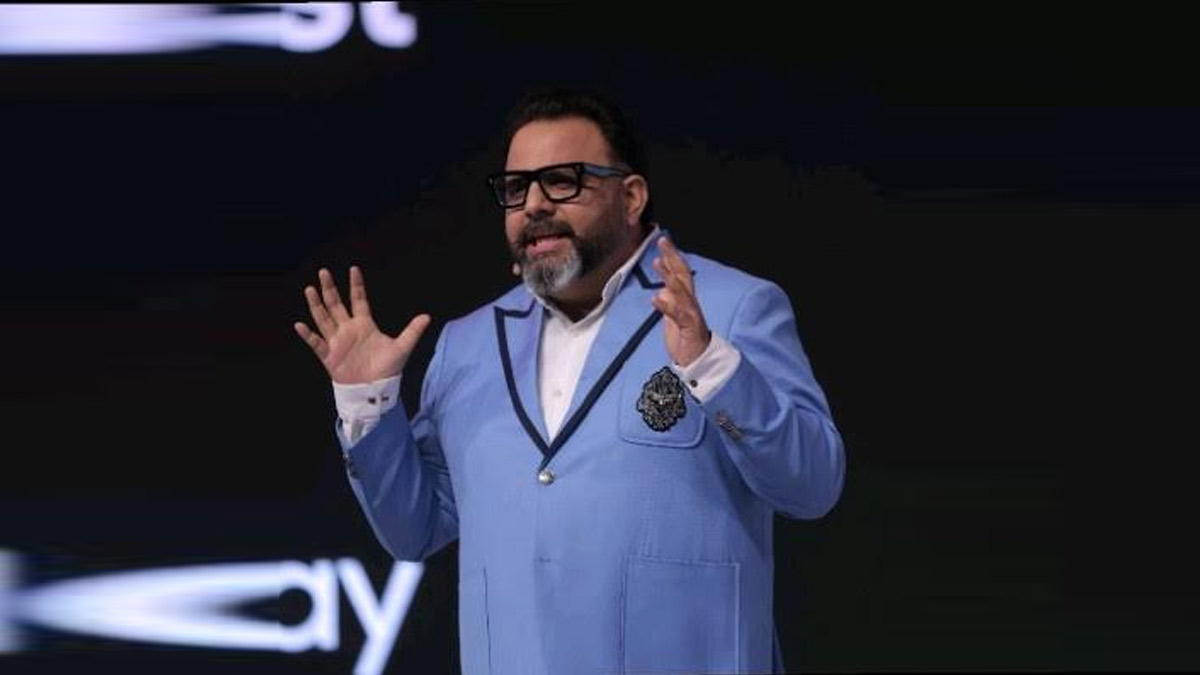
NEW DELHI: Samsung India has elevated Aditya Babbar to lead its mobile phone business, following the exit of Raju Antony Pullan.
Babbar, who previously served as vice president within the mobile division, has been appointed head of sales and marketing for the MX (mobile experience) business, effective May 1. In his new role, he will oversee the company’s sales and marketing operations for smartphones and related categories in India, reporting to the executive vice president of the MX business.
A long-time Samsung executive, Babbar brings over a decade of experience within the organisation, having held multiple leadership roles across product, marketing and category management. Most recently, he led product marketing and e-commerce for the mobile division, following earlier stints as head of product and marketing and senior director roles.
His career within Samsung Electronics and its India operations has also included responsibilities for flagship devices, tablets and wearables, giving him a broad view of the company’s premium and mass-market portfolio.
Babbar succeeds Pullan, who stepped down from the role, marking a leadership transition at a time when India remains a key battleground for global smartphone makers.
The appointment signals continuity within Samsung’s leadership bench, with an internal candidate stepping up to steer one of its most critical business units in a highly competitive market.