MAM
Fiat signs on NIS Sparta to spearhead service initiative

MUMBAI: Fiat India has recently tied up with NIS Sparta, to give an impetus to the company’s efforts in enhancing customer service levels.
NIS Sparta, a consulting and training organizations in the arena of customer relationship management (CRM) will be working closely with Fiat over the next six months (ending March 2004) to identify and implement measures that will improve Fiat’s service delivery processes. This move is in keeping with Fiat’s new service drive that was kicked off at the beginning of the year, during the launch of the Palio diesel.
Fiat has launched four major service initiatives this year. The first was the introduction of Free Service Camps for Fiat customers across India. The second was the installation of eSIRA, and online dealer communication system to improve availability of spare parts. The third was the reduction in prices of fast moving spare parts and the fourth was the introduction of a new service policy to coincide with the launch of the Palio NV. In this context, the tie-up with NIS Sparta is the fifth step forward for Fiat in its ongoing efforts to improve customer service.

The “L2P” (learning to practice) program will be rolled out in a phased manner starting with a validation study and profiling exercise to identify the need-gaps in the competency levels of various personnel. This will be followed by the development of a series of customized training and development modules that specifically fulfil the requirements of Fiat India vis-?-vis behavioral and process standards of all service personnel.






Brands
Samsung India elevates Aditya Babbar to lead mobile business
Exec takes charge of MX sales and marketing after Raju Pullan’s exit
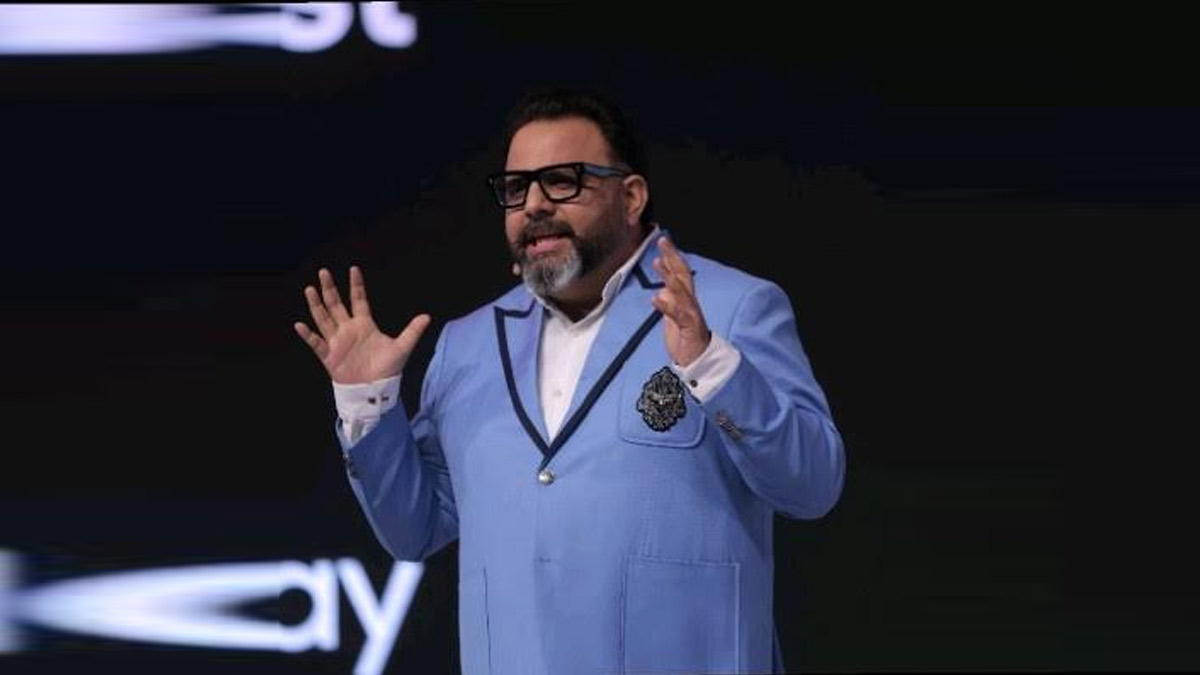
NEW DELHI: Samsung India has elevated Aditya Babbar to lead its mobile phone business, following the exit of Raju Antony Pullan.
Babbar, who previously served as vice president within the mobile division, has been appointed head of sales and marketing for the MX (mobile experience) business, effective May 1. In his new role, he will oversee the company’s sales and marketing operations for smartphones and related categories in India, reporting to the executive vice president of the MX business.
A long-time Samsung executive, Babbar brings over a decade of experience within the organisation, having held multiple leadership roles across product, marketing and category management. Most recently, he led product marketing and e-commerce for the mobile division, following earlier stints as head of product and marketing and senior director roles.
His career within Samsung Electronics and its India operations has also included responsibilities for flagship devices, tablets and wearables, giving him a broad view of the company’s premium and mass-market portfolio.
Babbar succeeds Pullan, who stepped down from the role, marking a leadership transition at a time when India remains a key battleground for global smartphone makers.
The appointment signals continuity within Samsung’s leadership bench, with an internal candidate stepping up to steer one of its most critical business units in a highly competitive market.