MAM
Building India’s next gen all rounders

|
The problem: Research showed children of today were different from that of yesteryears. They wanted to be more in control, more informed and more ready to explore and this was seen in their willingness to explore unconventional career options like sports, acting and flying. The key consumer insight was that children nowadays want to enjoy life and have a sense of achievement at the same time.  Horlicks recognised this desire in every kid not just to explore life on their own terms but without having the burden of excelling in academics, a theme so ubiquitous in India. In the famous words of George Bernard Shaw “Simply not letting schooling interfere with their education”. The aim: Horlicks aimed to celebrate this spirit in childhood – and designed its media and communication around “dynamic development.” Communication Goals:
And all this within the school…! Media solution and execution:
India’s largest inter-school talent program reached out to a million kids across 4,500 schools in 15 cities to unearth and demonstrate their talent in as many as 25 non-academic fields. Horlicks Wizkids also provided a platform for kids to hone their talent through a stint with specialist partners in various fields like Ashley Lobo for Dance, Girish Karnad for Theatre etc who trained the winners of the respective fields. The All rounders were crowned as India’s Dream team.
Result: Horlicks Wizkids helped bring holistic development for children in India to the forefront for the first time. What makes the idea special? 1) It was based on key consumer insights and brands core proposition.
3) It received positive coverage across media – newspapers and TV channels amounting to 2 times the money invested. 4) Client speak: “An incredible idea, executed on a massive scale with great detailing and amplified many times through media tie-ups. This will form a key part of the Horlicks calendar in the years to come,” exclaimed GlaxoSmithKline Consumer Healthcare GM Marketing Shubhajit Sen. |
 ‘Horlicks Wizkids’ – an initiative that brought alive dynamic development of kids.
 To inform kids and their parents of this event, the program was promoted across media – television, radio and newspapers prior to the event.
 2) A long term branded property for Horlicks which imbibed the brand values and created a buzz amongst kids. Buzz scores (i.e Awareness of Horlicks from friends/relatives) registered significant growth during Wizkids activity. This growth can be directly attributable to this activity since all other media inputs remained more or less constant.






Brands
Samsung India elevates Aditya Babbar to lead mobile business
Exec takes charge of MX sales and marketing after Raju Pullan’s exit
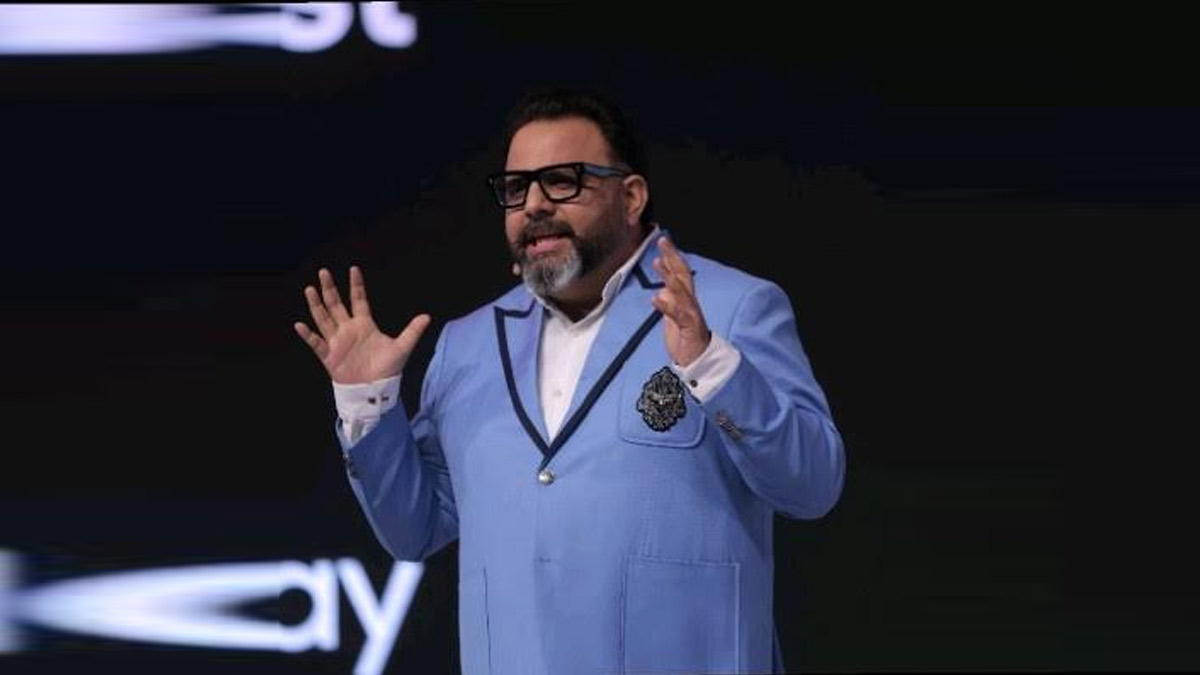
NEW DELHI: Samsung India has elevated Aditya Babbar to lead its mobile phone business, following the exit of Raju Antony Pullan.
Babbar, who previously served as vice president within the mobile division, has been appointed head of sales and marketing for the MX (mobile experience) business, effective May 1. In his new role, he will oversee the company’s sales and marketing operations for smartphones and related categories in India, reporting to the executive vice president of the MX business.
A long-time Samsung executive, Babbar brings over a decade of experience within the organisation, having held multiple leadership roles across product, marketing and category management. Most recently, he led product marketing and e-commerce for the mobile division, following earlier stints as head of product and marketing and senior director roles.
His career within Samsung Electronics and its India operations has also included responsibilities for flagship devices, tablets and wearables, giving him a broad view of the company’s premium and mass-market portfolio.
Babbar succeeds Pullan, who stepped down from the role, marking a leadership transition at a time when India remains a key battleground for global smartphone makers.
The appointment signals continuity within Samsung’s leadership bench, with an internal candidate stepping up to steer one of its most critical business units in a highly competitive market.