GECs
Star One delivers on promises and more


NEW DELHI: In the November of 2004 when Star India COO Sameer Nair told his colleagues that wait for a year and Star One channel would be rocking, very few were ready to back his optimism on the then newly-launched channel. Cut to November 2005. Nair is the one whos smiling like a Cheshire cat.
Star One, Star Networks channel targeting the so-called Dil Chahta Hai or `casual’ TV audience, is not only making the critics take a double take, but has emerged as a hot medium for advertisers and media planners as its ratings and market share keep heading north.
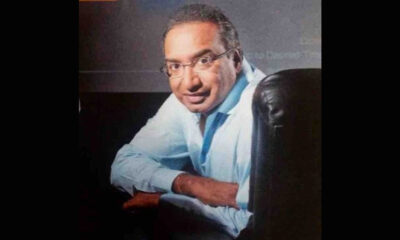
The marketers and advertisers are seeing the value of the brand and are flocking to Star One,says an elated Ajay Vidyasagar, EVP (marketing and communication) of Star India, as he reels off a series of vital stats to hammer in the point. Sample the facts forwarded by Star.
By reaching 71 per cent of the (cable) audience in the first three months of its launch, Star One became one of the most successful launch products. From a seven per cent market share at the start in 2004, Star One concludes week 37 in 2005 with 27 per cent market share (Sonys at 42 per cent, while Zee stands at 31 per cent) coming within striking distance of the two established channels with proven pedigree. The Great Indian Laughter Challenge (TGILC), which started with a TVR of 2.7 per cent in June 2005, touches a high of 13.7 per cent on 2 September making ratings of some other programmes on other channels look like kid stuff.
According to TAM data, which is now being proudly flaunted, in the week of 23 October-29 October 2005, the all-day audience share of Star One in its top market of Mumbai touched 41 per cent with Sony at 36 and Zee TV at 23 per cent.
With our new show Nach Baliye starting to climb the charts, we are optimistic that we would manage to rock and sway Star One as a channel further up, Vidyasagar says echoing his boss Nairs assertions that the success of Star One has been achieved by keeping with the brand promise of offering the best to our viewers.
However, success has brought along with it other challenges. Like optimizing the choc-a-block inventory of the whole Star Network, including Star One, to meet stiff revenue targets set for FY 2006 ending 30 June.
No wonder, Vidyasagar says that long-term advertising deals for Star One and Star Gold have not been done. For the last eight weeks we have had a full inventory (for Star One) as rates keep spiraling up with the success of our new shows like Nach Baliye and as advertisers realize the value that we can deliver through Star One,he adds.
Pointing out that the network sees programmes like Nach Baliye as the first Indian format having the potential to be syndicated internationally, Vidyasagar says the challenge before Star One is to get the right incremental (advertising) price to cash in on the success of the channel.
I cant say whether the ad rates would be revised (upward), but we are devising newer options for advertisers to come on to Star One and successful shows, Vidyasagar says, pointing out that , for example, innovations like getting sponsors for the `Best stylish couple in Nach Baliye are being tried out. And, at a premium too.
Still, theres no denying the fact that some initial shows like Sarabhai vs. Sarabhai and Remix and Siddhant apart, it was the TGILC that rocketed Star One to the top not only with ratings, but also viewers and opportunities around which other programming strategies could be built.
Admits Vidyasagar, Quite a few shows have ridden the Laughter Challenge success, indicating theres a need for devising local formats for programmes instead of adapting international formats.
And, what is in store for the one-year-old Star One in the future? Two new shows, India Calling and Darna Mana Hai, ready to debut and titillate the audience further from 14 November.
With Star Network stressing on beefing up its programming and marketing initiatives for Star One and Star Gold (a super six festival of movies and events will start on the film channel from the first week of December), its quite clear that the Rupert Murdoch company is out to further its dominance with the Hindi offering through Star Plus, Star One, Star Gold and Star Utsav.
With Star One delivering strong viewership, not only it becomes a strong proposition, but adds to Star Plus might that makes Stars Hindi package a dominant player in the cable market (market share of Star Hindi package is claimed to be 53 per cent in CS 4+ HSM) compared to competition, points out Vidyasagar.
However, in the end the question that is to be asked is whether Star Network can sustain its momentum vis-à-vis a resurgent Zee Telefilms and a belligerent Sony Entertainment TV India. Everybody has to wait and Zee.