English Entertainment
Luxury cars, warriors on The History Channel’s plate


MUMBAI: It was a few months ago that The History Channel (THC) underwent a brand repositioning from an infotainment channel to an entertainment one.
With its strenght in historical programming, this allowed the channel to offer a better repertoire of shows. And, in the coming months it will boost the variety on offer.
Speaking to Indiantelevision.com The History Channel VP marketing Rajesh Sheshadri says, “The History Channel (THC) has planned an interesting mix of content for the next couple of months. Our endeavour has always been to feature movies, mini-series and serials that have never been shown in India before.
“September will see THC air programmes such as Luxury Cars, Kane Abel, Warriors and many more.”
Luxury Cars is a 13 episode show about famous cars. They include Ferraris, Aston Martins, Lamborghinis etc. Warriors on the other hand, is a four part series featuring the most famous warriors in the history of the world. This series will highlight their weapons, architecture, famous battles and their eventual downfall.
In terms of of movies and mini series, the channel plans to air titles like Attila the Hun, Helen of Troy, Rocky Marciano, Archangel (featuring Daniel Craig, the new James bond), First Olympics and Kennedy. Gerard Butler who played the title role in Phantom of The Opera stars as Attila The Hun. During the waning days of Roman Empire, the barbarian Huns are making their way toward Europe. A warrior named Attila violently assumes Hun leadership and unites the warring clans under his banner.
But this is not enough for him, Attila seeks to form an empire, and he sees Rome, bristling under the leadership of the incompetent Caesar Valentian, ripe for the picking. In an attempt to quell a Hun invasion, ambitious Roman general Flavius Aetius attempts to form an alliance against Attila against their mutual enemy, Visigoth King Theodoric. But this plan backfires, and it soon becomes clear that a violent showdown between all three armies awaits.
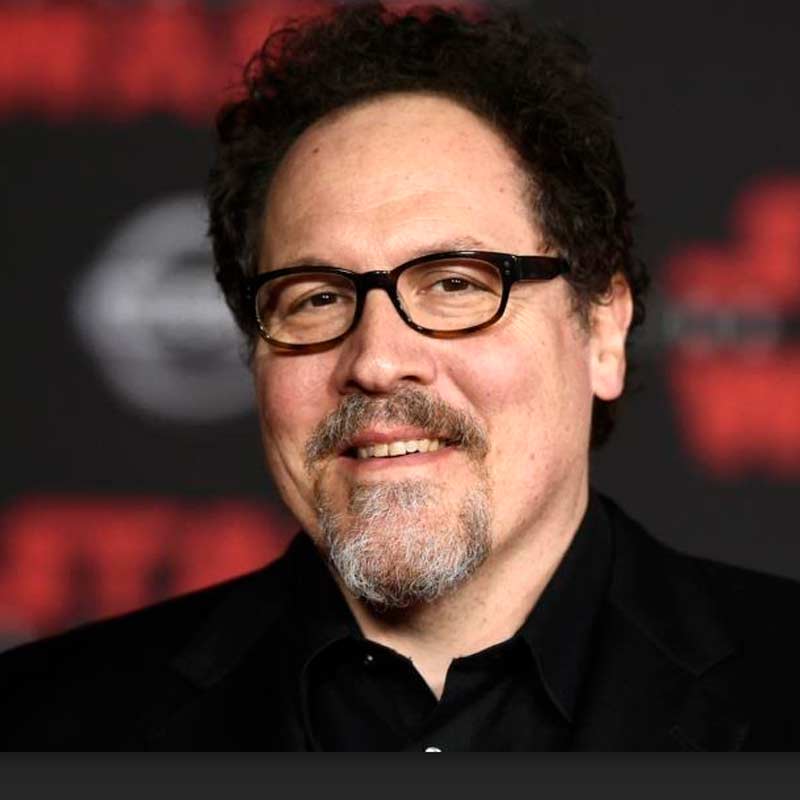
Jon Favreau stars as Rocky Marciano about the only undefeated world heavyweight champion in the history of boxing. Some of the biographies being featured are Henry VIII, Pope John Paul II, Ariel Sharon and Mother Teresa. “We are also in the process of procuring relevant and exciting new titles like The Bronte Sisters, Al Qaeda, Mary Magdalene, Oskar Schindler, Hercules, Charles Dickens, Casanova and Rudyard Kipling.
“Our films and mini-series are bound together by the fact that they are fun, compelling and entertaining while being set in a historically relevant setting or deal with personalities who have become historical icons such as Helen of Troy or Cleopatra or Spartacus” adds Sheshadri.
A shift in approach towards clients: Asked about the relationship the channel has with the advertising fraternity, Sheshdari says that the approach has been changed keeping in mind a long term plan. “The revamped History Channel brings with it, its own unique set of challenges. The whole philosophy behind the new content like Jumbo Movies and Double F had to be communicated to our clients. We accomplished this by focussing heavily on content, conveying that this is not a short term shift but a long term strategic investment for the channel.”
When asked whether advertisers now see THC as an entertainment channel or as an infotainment channel, Sheshadri points out that mass and niche are in the minds of marketers and not consumers. Consumers, he points out, don’t consume brands based on whether they are mass or niche.
They consume brands based on the connect they form with the brand. “The History Channel is a theme-based channel and no one delivers the theme of History better than us”. The strategy is to bring historically significant events irrespective of the format and that is the core message that THC executives try to convey in all their presentations to clients.
Sheshadri goes on to clarify that the core idea of the brand repositioning was to consolidate the positioning of the brand and not to increase numbers for numbers sake. The overall approach therefore, has taken into consideration the connect that THC has with its consumers and what THC can do to strengthen it.
“Hence, we think that going forward THC will continue to cement and own a distinct position in the minds of the consumer and this distinct positioning is what will also give it additional numbers. We are already seeing signs of that and are sure that it will get better going forward. Advertisers follow consumers.”
As far as the viewer perception of the channel is concerned, Sheshadri notes that viewers have taken note of the change. “New formats like Jumbo Movies and Double F have widely appreciated and followed. They still see us as being an authority on the subject of history. The difference is that now they know that we have a broader spectrum both in terms of the type of shows and type of formats.”